






Drug policy reformers are expressing concern about an executive order signed by President Donald Trump that targets harmful consumption efforts, and in particular, programs aimed at reducing harm.
It is clear that the president’s EO focuses on homelessness. However, it includes a variety of controversial proposals for drug policies to address this issue. These include prohibiting federal funding from being used to support safe consumption sites in which people can use illicit drugs under medical supervision and get treatment.
One section of the order discusses ways to direct federal resources “towards effective methods of combating homelessness”.
That includes directing the secretary of the U.S. Department of Health and Human Services (HHS) to “ensure that discretionary grants issued by the Substance Abuse and Mental Health Services Administration (SAMHSA) for substance use disorder prevention, treatment, and recovery fund evidence-based programs and do not fund programs that fail to achieve adequate outcomes, including so-called ‘harm reduction’ or ‘safe consumption’ efforts that only facilitate illegal drug use and its attendant harm.”
In another section, “increasing safety and accountability in America’s homeless programs”, the HHS secretary and U.S. Department of Housing and Urban Development head must “take the appropriate action to increase accountability” in providing homelessness assistance and awarding grants for transitional housing programs.
“These actions shall include, to the extent permitted by law, ending support for ‘housing first’ policies that deprioritize accountability and fail to promote treatment, recovery, and self-sufficiency; increasing competition among grantees through broadening the applicant pool; and holding grantees to higher standards of effectiveness in reducing homelessness and increasing public safety,” it says.
To that end, the EO suggests that federal housing or homelessness assistance recipients should lose funding if they “operate drug injection sites or ‘safe consumption sites,’ knowingly distribute drug paraphernalia, or permit the use or distribution of illicit drugs on property under their control.”
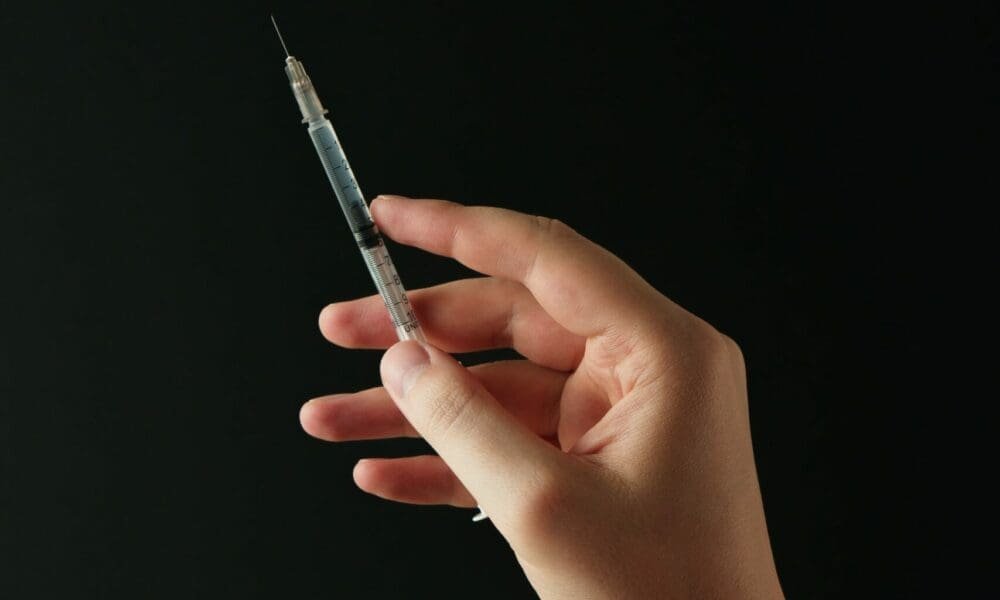
While the federal government hasn’t actively supported safe consumption sites—and, in fact, the Justice Department under both the Trump and Biden administrations challenged the legality of such facilities—the language of this section indicates that even federally supported syringe exchange programs could be jeopardized under the order.
Maritza Perez-Medina, Director of Federal Affairs at Drug Policy Alliance, told MEDCAN24: “If leaders really want to create safer communities, support those struggling with addiction and build stronger communities, then they should invest in things that work, such as stable housing, prevention of overdoses, and accessible treatment.” “Yet housing remains out of reach for many—and while it takes just 35 seconds to be arrested for a drug offense, it can take weeks to access treatment.”
“This executive order is alarming—it invites federal interference in local decisions and threatens to punish cities and community groups for pursuing proven public health solutions,” she said. The loss of federal funding to groups that distribute naloxone, which reverses a fentanyl-induced overdose, and syringes, which stop the spread infectious diseases or other overdose prevention methods will increase the risks of our loved ones becoming sick or dying from overdose.
Paul Samuels of the Legal Action Center said, in a Friday press release that “the executive order of the President promotes an illusion of security by criminalizing those who are visibly homeless rather than dealing with root causes such as the lack of affordable housing or accessible mental and substance abuse disorder care and treatment.”
“The approach outlined echoes decades of failed ‘tough on crime’ strategies that have harmed already marginalized communities, especially Black and brown, and wasted huge amounts of money without making anyone safer,” he said.
Nora Volkow is the director of the National Institute on Drug Abuse, which has been in charge for several years.
Volkow has implicitly supported the idea that safe consumption centers, where users can use illicit drugs under medical supervision, could be authorized in 2022. He argues that there is evidence that these facilities are effective at preventing overdoses.
The White House drug czar under the Biden administration also said at the time that the office was reviewing broader drug policy harm reduction proposals, including the authorization of supervised consumption sites—and he went so far as to suggest possible decriminalization.
Dima Solomin is the photographer.
Sponsored Content
This informative article is brought to you by NUBO CBD →