







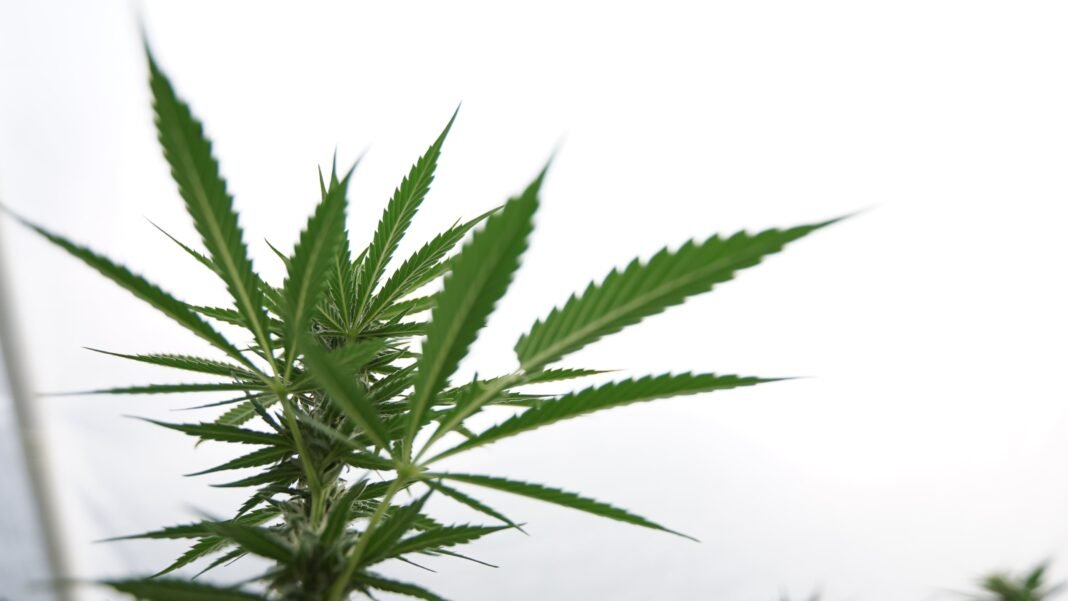

A federally funded study out of Canada shows that youth marijuana use rates have declined after the country legalized cannabis—contradicting concerns voiced by prohibitionists.
Researchers from the University of Waterloo, Brock University, and other institutions compared trends of marijuana usage among teens from 2017-2018 to 2021-2022.
The study—published in the journal Addictive Behaviors Reports—found that 15 percent of students in the pre-legalization cohort reported past-month cannabis use, while 12.3 percent in the post-legalization group reported the same. There was also an “increased number” of reports from students in the second demographic who claimed they had never smoked marijuana.
The researchers did not only analyze cannabis use rates; they also tried to determine “risk factor” factors that would predict whether or not a child is more likely to smoke marijuana. The researchers found that these factors had changed in the pre- and the post-legalization group, indicating “that prevention efforts should be adapted over time to focus on the risk factors of cannabis use.”
In particular, the study of over 65,000 students during the two-year period found that although “many risk factors [were] common between years”, the “relative rankings of risk factors (changed considerably).
Top predictors of cannabis consumption [pre-legalization] were time spent texting/messaging, daily breakfast consumption, and time spent doing homework; all of which also remained as important predictors in 2021–22,” the study authors said. The top predictors for current cannabis usage [post-legalization] were depression, happy home life…and students believing that getting good grades was important.”
The study states that “our results show an increase in the number of reports of never having used cannabis and a small decline in cannabis usage in our sample.” This is in contrast to the plateau of cannabis use in youth in the early stages COVID-19. It may suggest that declines in the past few years (after the restrictions imposed by the COVID-19) are not due to the COVID-19 but rather to changes in regulations and social norms.
Cannabis use by youth is still common. Therefore, it’s urgent to find out which youth are most at risk of misusing cannabis and then develop early prevention and treatment programs that address these issues in youth who have high risks. The study shows that, over a 4-year span spanning pre- and post-legalization cannabis, the adolescent’s cannabis consumption has decreased, while the profile of risk factors for cannabis has changed substantially, which increasingly implicates an increase in mental illness. To inform future cannabis control efforts, it is important to conduct timely and local surveillance.
The Canadian Institutes of Health Research and the Ministry of Health and Social Services of Quebec jointly fund the COMPASS Study.
This study came out about three months following a report by German officials on the experience of their country in legalizing cannabis nationwide.
That report found that fears from opponents about youth use—as well as traffic safety and other concerns—have so far proved largely unfounded.
A separate recent study conducted by German federal health officials also found that rates of marijuana use declined among youth after the country legalized adult-use cannabis, contradicting one of the more common prohibitionist arguments against the reform.
Back in July, federal health data also indicated that while past-year marijuana use in the U.S. overall has climbed in recent years, the rise has been “driven by increases…among adults 26 years or older.” For younger Americans, both rates of cannabis abuse disorder and past-year usage “remained steady among adolescents and young adult between 2021 and 2020.”
In the U.S. research shows that the use of marijuana by teenagers has fallen across all states where the drug is made legal for adults.
A report from the advocacy group Marijuana Policy Project (MPP), for example, found that youth marijuana use declined in 19 out of 21 states that legalized adult-use marijuana—with teen cannabis consumption down an average of 35 percent in the earliest states to legalize.
This report included data from national and state level youth surveys including the Monitoring the Future Survey (MTF), which is sponsored by the National Institute on Drug Abuse.
The latest version of the MTF, released late last year, found that cannabis use among eighth, 10th and 12 graders is now lower than before the first states started enacting adult-use legalization laws in 2012. In 2024, youth perceptions of cannabis were significantly lower despite an expanding adult-use market.
Another survey from the U.S. Centers for Disease Control and Prevention (CDC) last year also showed a decline in the proportion of high-school students reporting past-month marijuana use over the past decade, as dozens of states moved to legalize cannabis.
MPP assessed the research at the state-level, including the Washington State Healthy Youth Survey which will be released in April 2020.
That survey showed declines in both lifetime and past-30-day marijuana use in recent years, with striking drops that held steady through 2023. The results also indicated that perceived ease of access to cannabis among underage students has generally fallen since the state enacted legalization for adults in 2012—contrary to fears repeatedly expressed by opponents of the policy change.
In June of last year, meanwhile, the biannual Healthy Kids Colorado Survey found that rates of youth marijuana use in the state declined slightly in 2023—remaining significantly lower than before the state became one of the first in the U.S. to legalize cannabis for adults in 2012.
These findings are consistent with those of other surveys conducted in the past that examined the link between marijuana legalization and youth use.
For example, a Canadian government report recently found that daily or near-daily use rates by both adults and youth have held steady over the last six years after the country enacted legalization.
Another U.S. study reported a “significant decrease” in youth marijuana use from 2011 to 2021—a period in which more than a dozen states legalized marijuana for adults—detailing lower rates of both lifetime and past-month use by high-school students nationwide.
Another federal report published last summer concluded that cannabis consumption among minors—defined as people 12 to 20 years of age—fell slightly between 2022 and 2023.
Separately, a research letter published by the Journal of the American Medical Association (JAMA) in April 2024 said there’s no evidence that states’ adoption of laws to legalize and regulate marijuana for adults have led to an increase in youth use of cannabis.
Another JAMA-published study earlier that month that similarly found that neither legalization nor the opening of retail stores led to increases in youth cannabis use.
In 2023, meanwhile, a U.S. health official said that teen marijuana use has not increased “even as state legalization has proliferated across the country.”
Another earlier analysis from the U.S. Centers for Disease Control and Prevention found that rates of current and lifetime cannabis use among high school students have continued to drop amid the legalization movement.
A separate NIDA-funded study published in the American Journal of Preventive Medicine in 2022 also found that state-level cannabis legalization was not associated with increased youth use. The study found that youth who spent a greater portion of their teenage years under legalization had no higher or lower likelihood to use cannabis by age 15.
Yet another 2022 study from Michigan State University researchers, published in the journal PLOS One, found that “cannabis retail sales might be followed by the increased occurrence of cannabis onsets for older adults” in legal states, “but not for underage persons who cannot buy cannabis products in a retail outlet.”
The trends were observed despite adult use of marijuana and certain psychedelics reaching “historic highs” in 2022, according to separate 2023 data.
Side Pocket Images. Image courtesy Chris Wallis.
Sponsored Content
This informative article is brought to you by NUBO CBD →