







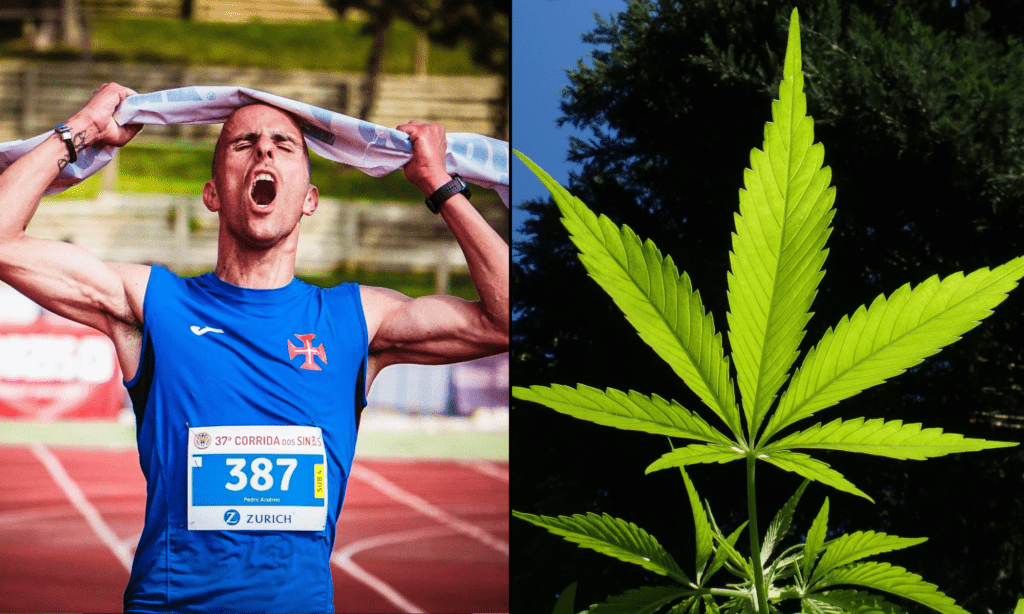

A new study shows that elite athletes use cannabidiol (CBD) to ease pain and speed recovery.
Researchers have found that the best athletes use CBD in order to reduce pain, enhance sleep and relieve the strain of high-level training. However, the findings suggest that many athletes are concerned about their careers being jeopardized by using CBD.
In the study published in Frontiers in Nutrition and conducted in late 2021 through mid-2023, 80 Canadians from 27 sport organizations were surveyed. To be included, athletes needed to have experience as part of the country’s Olympic or Paralympic team program.
Nearly a third said that they still used CBD when the survey was conducted.
The motivations of the participants reflect a wider societal tendency to use CBD therapeutically. According to the research, 96% percent of CBD consumers said that CBD is safe. 93.5% said CBD improves sleep. 90.5% said CBD helps them relax. And 77.5% said CBD reduces pain during training.
The study found that 38 percent of the athletes who self-reported CBD use were in agreement or strongly agreeing with its benefits, including improved sleep, relaxation and reduced training pain.
CBD is still controversial among athletes despite the benefits reported. Although the World Anti-Doping Agency removed CBD from its list of banned substances in 2018, all other cannabinoids—including THC—remain prohibited. It is a situation that the authors refer to as “a fine-line between unintentional drug use and deliberate cannabis product usage.”
Athletes who use CBD commercially may risk inadvertent doping violation because many CBD products are contaminated with trace amounts of these compounds. Researchers found that this was the most common reason why athletes stopped using CBD, or chose to stop trying it.
The authors, affiliated with McGill University and the Canadian Sport Institute, also noted that “some CBD-fortified foods and beverages have been reported to convert CBD into THC under low pH conditions…potentially yielding sufficient THC (3 mg) to trigger a positive urine test for prohibited cannabinoids.”
The researchers also observed that exerting physical effort prior to the test may lead to higher THC detection levels.
The situation has left athletes in a state of uncertainty. CBD users who experience real relief are forced to negotiate a confusing market, where labels cannot always be relied upon and there is little scientific support. Most people first learned about CBD from friends, or on the internet. They didn’t hear it from their sports doctors or trainers.
Many athletes are concerned about possible anti-doping rules violations that could be caused by CBD products contaminated with THC and other cannabinoids.
The authors noted that “athletes frequently report obtaining CBD information from online and friends sources”, and that “there is a need for testing interventions to enhance evidence-based understanding among athletes and clinicians.”
This study was conducted after several sports leagues, such as the National Collegiate Athletic Association and National Football League in the U.S. updated their marijuana policy to reflect the increasing legalization of the drug.
A 2024 NFL-funded report found that athletes are increasingly accepting marijuana. In their paper, the authors noted “education on potential benefits and harms is required for athletes, policy-makers, and medical staff.”
Major League Baseball, meanwhile (MLB), removed marijuana in 2019 from its banned substance list. In 2023, the National Basketball Association will follow suit.
Sponsored Content
This informative article is brought to you by NUBO CBD →