




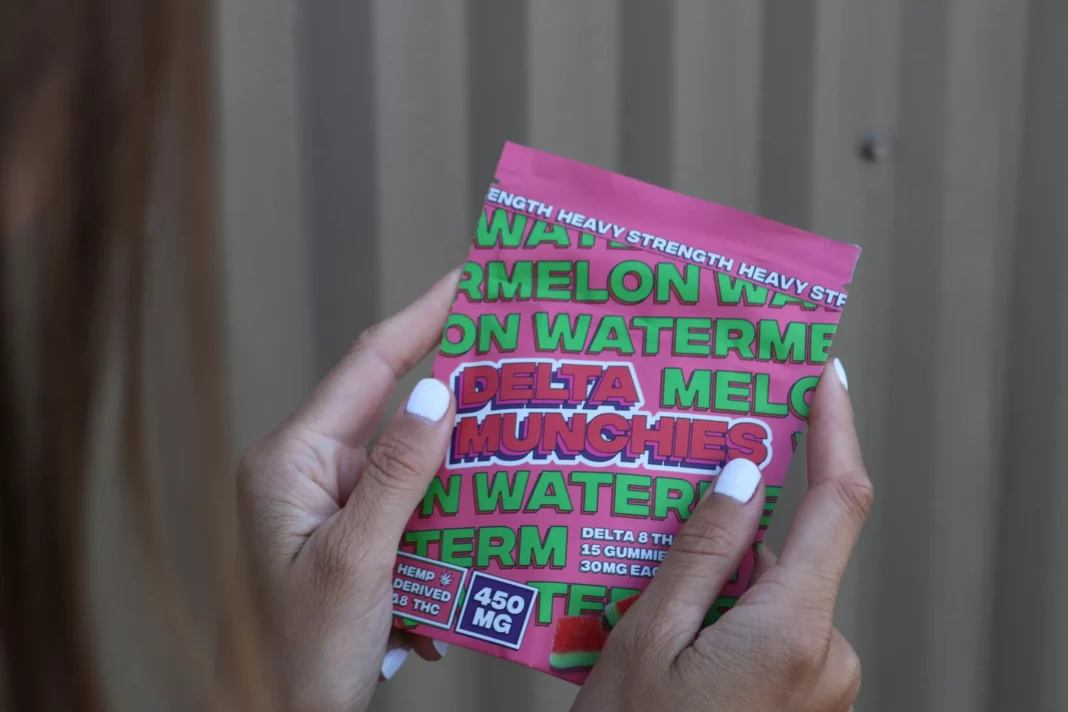

Today is the 90-day deadline set by FDA to determine which cannabinoids are banned in the controversial, upcoming hemp intoxication ban.
The Federal Government has not provided much information since November 2025 when the prohibition was passed. This leaves the US hemp intoxication industry in the dark as to the legality of their operations. It is estimated that the US intoxicating hemp industry is worth hundreds of billions of dollars.
In preparation for the November 2026 ban, the FDA had been asked to create a list of substances that will qualify as THC, THC-class compound, or naturally occurring cannabinoids.
Congress is advancing alternatives to the current ban, even though the date has passed without any clarity. They include bipartisan legislation that delays the prohibition until 2028 and separate regulations which replace the prohibition with potency and age restrictions.
Clarification deadline
Alongside the identification of the three new categories, the FDA was also tasked with defining ‘container’ size, given that the new regulations would cap total-THC at 0.4mg per container.
Industry stakeholders have raised particular concern about how the container definition will interact with the ban on ‘intermediate hemp-derived cannabinoid products.’
Deb Tharp, cannabis analyst at Deb Tharp. MEDCAN24 Prior to this, most CBD distillates and crudes routinely exceeded 0.3% THC total on a mass basis. This was true even though the finished product fell well below that limit.
Now, the intermediate materials, instead of hemp, are on paper. Tharp pointed out that they will be treated as controlled substances when the date of effective use arrives.
Even if the end product you produce is non-intoxicating, your stainless steel tanks on their way to the destination are suddenly in violation of federal laws.
The FDA’s clarification on what constitutes a ‘container’, and whether processing equipment qualifies, will determine whether legitimate CBD processors can continue operations or face treating their extraction tanks as holding controlled substances.
Enforcement questions remain unanswered
Questions have been raised even before the FDA has clarified the boundaries of the regulations.
A Congressional Research Service analysis published in December suggested that it ‘remains unclear if and how federal law enforcement will enforce the new prohibitions,’ noting that both the FDA and the Drug Enforcement Administration (DEA) ‘may lack the resources to broadly enforce the laws prohibiting intoxicating hemp products on the market.’
The CRS report draws a direct parallel to the wider medical and recreational cannabis industry in the US, observing that despite cannabis remaining federally illegal as a Schedule I controlled substance, ‘the federal response has largely been to allow states to implement their own marijuana laws despite the fact that state-regulated activities may violate the Controlled Substances Act.’
Read More:
If intoxicating hemp products persist after November 2026, they ‘could be subject to the same criminal and collateral issues as marijuana’, including banking restrictions, interstate commerce limitations, and federal prosecution exposure, though the likelihood of enforcement remains unclear.
As the US Hemp Roundtable estimated that the restrictions would affect 95%, it is possible federal agencies will choose to be forgiving rather than enforce a widespread policy across such a large, decentralised industry.
The CRS noted that Congress ‘may choose to exercise oversight over federal enforcement priorities,’ suggesting potential political pressure on how aggressively agencies pursue violations.
Two paths forward
Bipartisan efforts to delay or amend the ban on hemp are intensifying despite the confusion that continues and the looming crackdown. These are currently divided into separate strategies.
Hemp Planting Predictability ActThe legislation, which was introduced by Amy Klobuchar and Rand Paul in the Senate (both D-MN) and Jeff Merkley in the House (both D-OR), along with James Comer (RKY), simply delays by two years until November 2028. This legislation does not offer an alternative regulatory structure, but it gives farmers time to liquidate their inventory and make the transition to a new operation.
In a press conference held in January with Comer, Kentucky farmer Brian Furnish claimed that “hemp, the crop we grow for cannabinoids,” can be as good or better than tobacco.
Furnish said that his farmland lost more than $600,000.00 in only six weeks because buyers refused to accept new shipments before they cleared existing inventory.
The separate approaches comes from Hemp Enforcement, Modernization, and Protection Act (HEMP Act) Morgan Griffith (R) and Marc Veasey(D) introduced the legislation. This legislation, rather than delay prohibition, would create a regulatory structure that allows intoxicating hemp for adults over 21.
Bill establishes standard potency levels of 30mg and 5mg for each package and serving, as well as manufacturing and testing standards and requirements. Hemp products would not be allowed to contain substances such as alcohol, nicotine, caffeine or caffeine that may interact with cannabinoids.
Sponsored Content
This informative article is brought to you by NUBO CBD →