







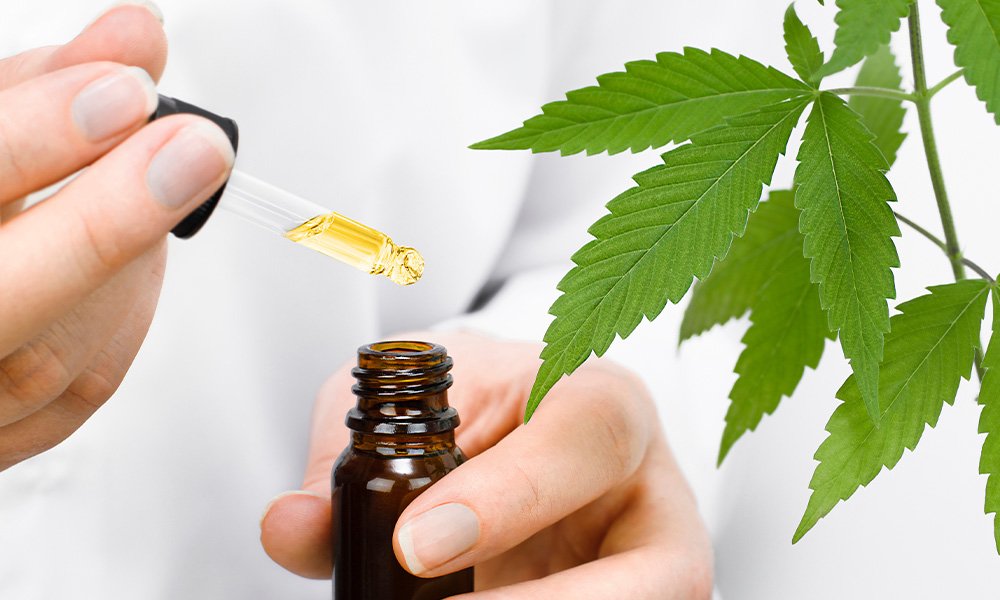

According to a new study, customized cannabis treatments improve the quality-of-life for people with autism spectrum disorders. A study of 20 autism patients found that those who took full-spectrum extracts of cannabis daily showed significant improvements in their symptoms, resulting in a better quality of life both for the patients and the families. The small study, which was conducted by Brazilian researchers monitored by a University of Brasília ethics committee, was published recently in the peer-reviewed journal Frontiers in Psychiatry.
According to the National Institute of Mental Health, autism spectrum disorder (ASD), is a developmental and neurological disorder that affects people’s communication, learning, interactions with others, and behavior. The symptoms can be varied and appear in the first two to three years of life. They may include communication difficulties, difficulty interacting with others and repetitive behavior. The severity can also be different and can often affect a person’s ability in school, at work and in other areas.
According to data collected by the Centers for Disease Control and Prevention in the United States, one out of 36 children has been diagnosed as having ASD. It is believed that the condition affects all races, ethnicities and socioeconomic classes. Boys are four times as likely to be affected than girls. The CDC estimates that 2.21% (or 1 in 45) of adults in the United States have ASD. This is a total population of approximately 5.4 millions people.
A definitive cause of ASD still hasn’t yet been determined. The CDC encourages early screenings for autism spectrum disorders because early intervention often leads to better outcomes. While there are no drugs that can treat the core symptoms, certain medications can manage symptoms like irritability and aggression, hyperactivity, repetitive behaviors, attention problems, depression, anxiety, and hyperactivity. A therapeutic program can help address social, language, and behavioral issues associated with ASD. Other programs are geared towards highly structured education programs. Some programs aim to reduce problem behaviors, teach new skills and others at reducing problem behavior. Also, family therapy and other types of therapies can be used.
Autism Spectrum Disorders could have a major impact on patients’ and families’ well-being. ASD treatment with cannabis has been gaining popularity due to its low side effects and promising results. However, a consensus regarding the best guidelines for ASD treatment is still lacking. “In this study, we conducted a retrospective analysis of 20 patients with autistic symptoms who were treated with full-spectrum cannabis extracts (FCEs) in a response-based, individually-tailored dosage regimen.”
Research on Customized Cannabis Treatments
The researchers used a technique called titration to determine the optimal dose of full spectrum cannabis extracts for each patient. Patients received either THC oil, CBD oil or a mixture of both. Researchers monitored symptoms of the participants and adjusted treatment based on the results. Participants began with a small dosage of CBD oil. Some participants had better results by adding THC to their regimen slowly, to create a custom ratio of THC to CBD. Most participants completed the research without THC. The ratio of CBD-THC formulations varied from 3:1 to 49% among participants who used a mixture of the two cannabis cannabinoids.
Many participants continued treatment beyond six months after researchers had determined the most effective formulation and dosage for each participant. The caregivers of the participants who had completed the three-month customized treatment filled out a detailed survey about the impact of cannabis on ASD symptoms and the patients. The survey results showed that caregivers generally believed the cannabis treatment improved symptoms and quality-of-life for patients. Caregivers reported improvement in symptoms such as seizures (84%), emotional breakdowns (76%), discomfort when in noisy or crowded environments (72%), aggressiveness toward others (67%), eating foods that are not food (63%), excessive hunger (62%), screaming and random sounds (54%).
The cannabis treatments appeared to improve verbal communication abilities, as 85% of caregivers reported that their family members were more open to verbal communication. Additionally, 75% reported improvements in eye-contact and attention to the conversation. Verbal communication also improved for 50% of study participants. Cognitive and intellectual performance improved for 57% patients. This was a significant finding, since other medications that treat ASD had not shown to improve the co-morbid condition.
A few study participants reported no change in symptoms or worsening, including attention to verbal communications, maintaining eye contact, and aggression. As well as the small sample size, other factors were cited, such as the absence of a control. Overall, researchers found the results encouraging and encouraged further research into cannabis as a possible treatment for ASD.
Sponsored Content
This informative article is brought to you by NUBO CBD →