







Argent Biopharma’s flagship CannEpil marijuana drug (RGT) is about to make a pivot in the veterinary industry, only weeks after the company signed over the rights of the product for debt relief.
Last Month MEDCAN24 Argent Pharmaceuticals (formerly MGC Pharmaceuticals) signed a US$5.5m deal for a debt-to-equity license with Splash Beverage Group. The agreement gives Splash Beverage Group responsibility for the development of CannEpil and its regulatory approval in new markets.
Splash added veterinary rights on July 27, adding to an original deal dated 7/6/2026.
A few days later, on August 5, Splash announced that it had signed a development and cooperation agreement with Lupvindol Biosciences in order to progress its licensed cannabinoid CannEpil along the US Food and Drug Administration veterinary path.
CannEpil is a pharmaceutical-grade, EU-GMP-manufactured oral solution combining cannabidiol and tetrahydrocannabinol isolates, already marketed in Ireland, the UK, Germany and Australia for drug-resistant epilepsy and holding an FDA Investigational New Drug number for human development.
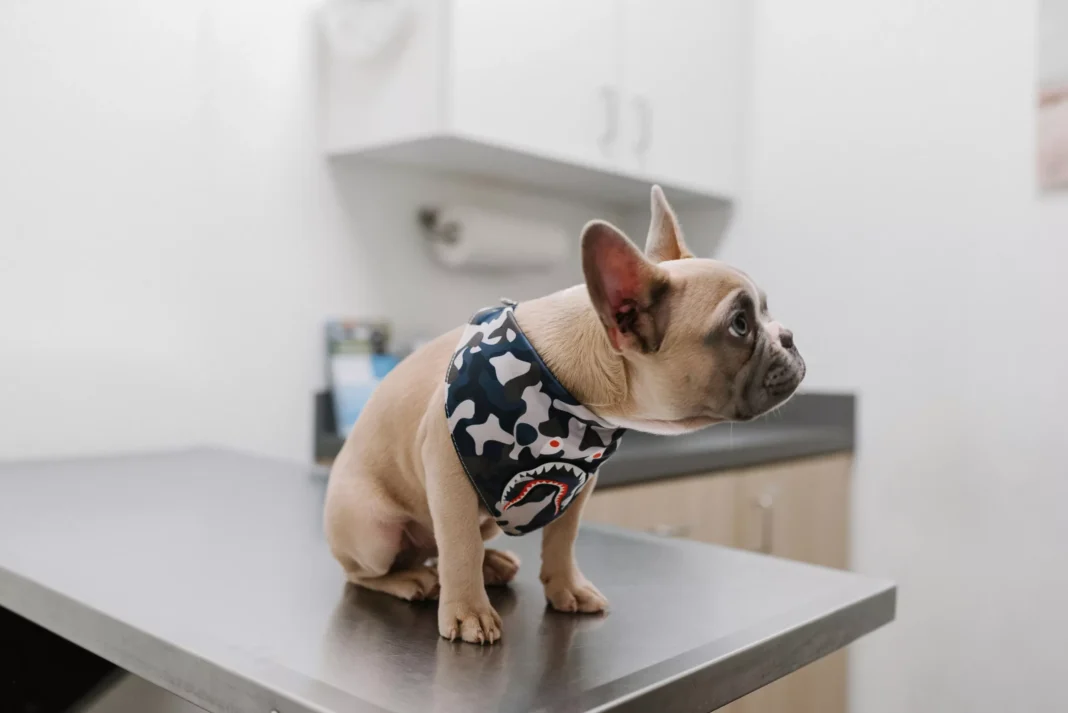
The initial focus of the veterinary program will be on chronic pain and companion animal cancer, with a primary emphasis on canine indications. Splash cited estimates from third parties that place the veterinary cancer market between US$900m-US$1.7b. The global market for pain-management in veterinary medicine is expected to grow by US$2.6b by 2024 and US$3.8b at 2030.
READ MORE…
In the agreement, Lupvindol runs the scientific programme and regulatory filings, opens an Investigational New Animal Drug file (INAD), with FDA’s Center for Veterinary Medicine, and builds a development plan towards Conditional approval under Section 571.
Splash is responsible for funding the milestones, leading commercialisation and retaining all intellectual property, data and licensing decisions. Lupvindol pays the FDA Sponsor Fees through Conditional Approval.
Argent will receive a royalty of 10% on the net revenue from veterinary CannEpil, which is lower than the 15 percent royalty Argent received on the worldwide net sale under its original licence for humans.
Hunter Land, Lupvindol’s Chief Executive, worked as GW Pharmaceuticals’ first full-time US Research and Development employee. Land also developed Epidiolex – the FDA’s first approved plant-derived cannabinoid medication – and Sativex.
Brady Cobb said, “This partnership converts our CannEpil expanded rights into an efficient and defined FDA development programme”, Brady Cobb Interim Chief executive Officer of Splash.
Cobb’s ‘capital-efficient’ strategy would mean Lupvindol’s fee absorption and the milestone structure shift much of the near-term cost of an FDA veterinary programme away from Splash’s own cash position.
The programme’s balance sheet is stretched. Splash had US$381,195 of cash and cash-equivalents at March 31, 2026 against US$16.97m of current liabilities. It also disclosed that it was in substantial doubt as to its ability continue as a business in its latest quarterly filing before the US Securities and Exchange Commission.
Splash’s shares (NYSE: SBEV), which closed the day at US$0.34, fell by 3.43%, valued the company at US$2.16m.
The date for the opening of the INAD, the file that starts the regulatory clock on the pathway, has not been announced.
Sponsored Content
This informative article is brought to you by NUBO CBD →