







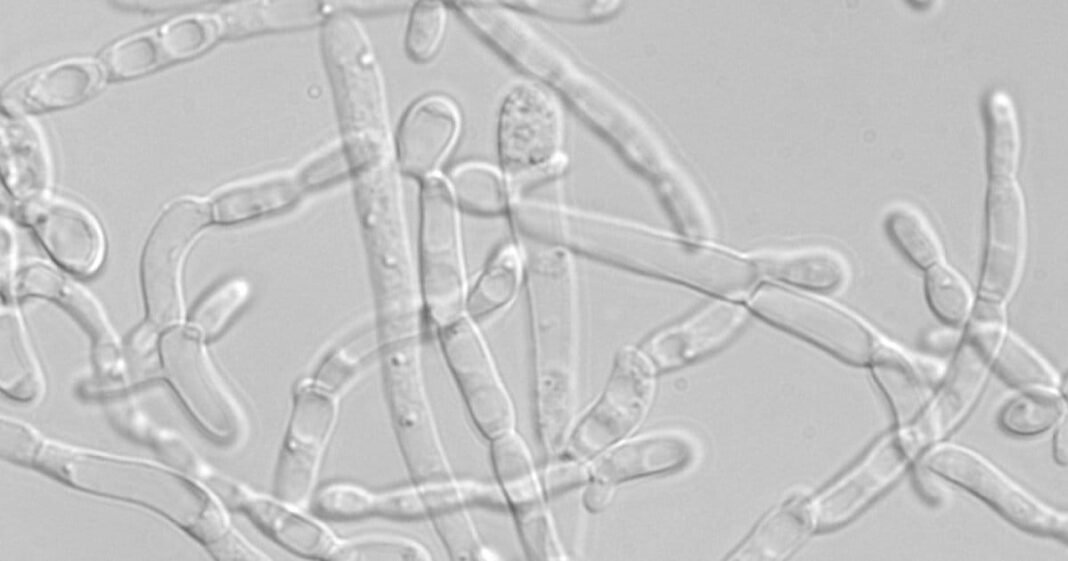

The researchers have succeeded in getting a type of yeast to make cannabinoids. But much more research is required to achieve commercially feasible quantities.
Yarrowia Lipolytica, a nonpathogenic fungus with unique biochemical and physiological properties is already widely used. It’s widely used in the food industry as an additive. Yarrowia lipsolytica can also be used to make biodiesel, since it has the potential to collect high levels of lipids.
Here’s a new potential use – the production of cannabinoids through biosynthesis. According to reports, the researchers achieved de novo biosynthesis for various cannabinoids. The process of de novo biosynthesis involves creating complex molecules out of simple precursor molecules rather than using components that are left over from larger molecules.
Researchers from Chinese and Israeli Universities have stated:
“Our engineered Y. lipolytica produced 3.5 mg/L cannabigerolic acid, 18.8 mg/L orsellinic acid, and 0.5 mg/L cannabigerorcinic acid. Additionally, the CBGA titer reached 15.7 mg/L with olivetolic acid supplementation. This study demonstrates that Y. lipolytica can be used as a host to produce cannabinoids, their analogs and other compounds. It opens new avenues of research and potential medicinal applications.”
- Cannabigerolic acid = CBGA
- Orsellinic Acid = OLA
- Cannabigerorcinic acid = CBGOA
Cannabigerolic Acid is the key cannabinoid that acts as the precursor to all pentyl-side chain cannabinoids such as Tetrahydrocannabinol, CBD, and CBN.
They claim that their work represents the first production in this way of cannabinoids. was published The journal BioDesign published the article earlier in this year. The researchers claim that the approaches they describe in their work are also applicable to biosynthesis of complex natural products other than cannabinoids. This could lead to innovative biotechnology applications and medical treatments.
The National Natural Science Foundation of China (NNSF), the Li Ka-shing Foundation of China and Muyuan Laboratory provided funding for the research.
Plants other than cannabis and hemp contain cannabinoids. As an example Trema micranthum Cannabaceae, a plant that is common in Brazil, offers a new and promising source of cannabidinoids including CBD.
Sponsored Content
This informative article is brought to you by NUBO CBD →