







Germany’s cannabis industry is booming. Prohibition Partners now estimates to be worth around €670m, is entering uncertain and potentially treacherous territory.
The landmark CanG Act is approaching its second anniversary. It has now become an issue that divides people on a variety of levels, including politically, medically and culturally.
After the Traffic Light Coalition was ousted, who were responsible for the creation and partial legalisation of cannabis, the Christian Democrat led coalition ramped-up its anticannabi rhetoric. They have consistently and publically threatened to restrict, or even reverse, the changes that had been made in the last 18 month.
The first report of its kind on the effects of reforms was released this week. This is the beginning of an upcoming series of events that will define the future for the sector.
The findings of the ‘Ekocan’ report have already caused a stir among commentators on both sides of the aisle, with some suggesting it points to a wholesale failure to meet its intended goal of protecting consumers and reducing the illicit market, and others suggesting it shows positive progress at such an early stage.
All sides will be preparing fireworks for today’s Bundestag debate on the preliminary report. CDU is listening to all the heated words and smoke. The CDU has so far spoken about the need for tougher measures on the market. However, they have not taken any action until after the final results are known. This is an important indicator of the future.
What is Ekocan and why is this important?
The Ekocan (Evaluation des Konsumcannabisgesetzes) project is the first of three federally mandated assessments of the Konsumcannabisgesetz (KCanG), which came into force on April 01, 2024.
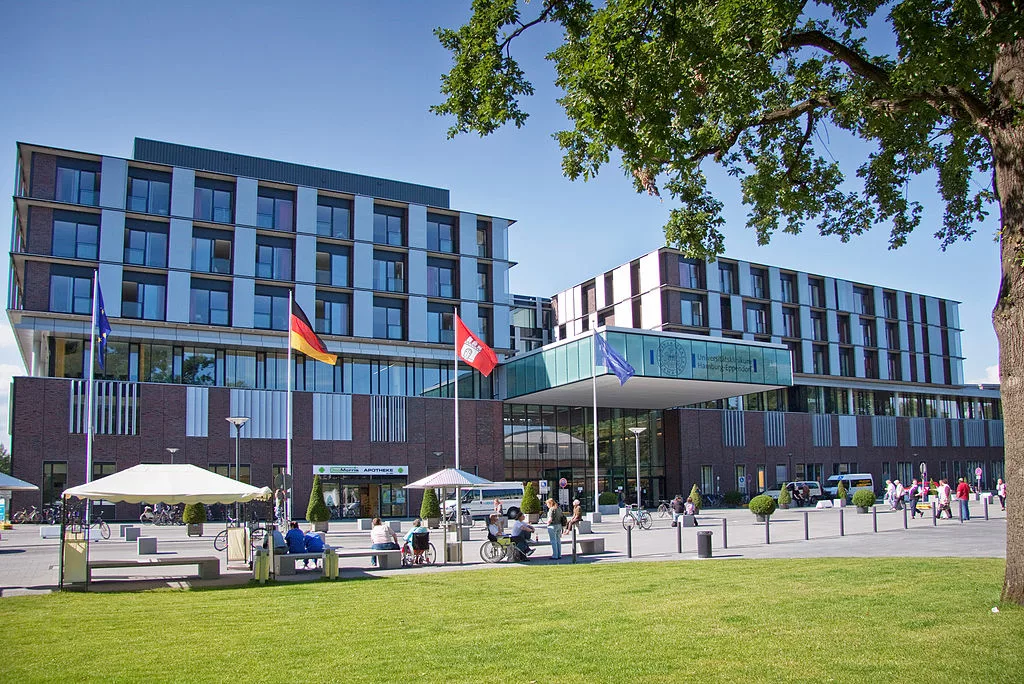
The Federal Ministry of Health commissioned the University Medical Centre Hamburg -Eppendorf to lead the evaluation, which will run from January 2025 until April 2028. Additional reports that examine the effects more closely are due to be released in April 2026 or April 2028.
Notably, Ekocan is looking specifically at the KCanG reforms, which dealt with ‘the private cultivation of cannabis by adults and communal, non-commercial cultivation for personal consumption in cultivation associations in Germany’.
This report focuses its evaluation on the cannabis non-medical market. However, it notes that some patients may obtain cannabis through prescriptions. Investigations focus on patterns of usage, perceived availability and cannabis-related crimes, including youth welfare.
We reported back in July that the government had published proposals to limit online prescriptions for medical cannabis, as well as other measures designed to curb the explosive growth of this sector.
Sponsored Content
This informative article is brought to you by NUBO CBD →
Germany’s cannabis industry is booming. Prohibition Partners now estimates to be worth around €670m, is entering uncertain and potentially treacherous territory.
The landmark CanG Act is approaching its second anniversary. It has now become an issue that divides people on a variety of levels, including politically, medically and culturally.
After the Traffic Light Coalition was ousted, it is now the Christian Democrats (CDU) who are stepping up the anti-cannabis campaign and have publicly and repeatedly threatened to roll back or restrict the progress made in the last 18 month.
The first report of its kind on the effects of reforms was released this week. This is the beginning of an upcoming series of events that will define the future for the sector.
The findings of the ‘Ekocan’ report have already caused a stir among commentators on both sides of the aisle, with some suggesting it points to a wholesale failure to meet its intended goal of protecting consumers and reducing the illicit market, and others suggesting it shows positive progress at such an early stage.
All sides will be preparing fireworks for today’s Bundestag debate on the preliminary report. CDU is listening to all the heated words and smoke. The CDU has so far spoken about the need for tougher measures on the market. However, they have not taken any action until after the final results are known. This is an important indicator of the future.
What is Ekocan and why is this important?
The Ekocan (Evaluation des Konsumcannabisgesetzes) project is the first of three federally mandated assessments of the Konsumcannabisgesetz (KCanG), which came into force on April 01, 2024.
The Federal Ministry of Health commissioned the University Medical Centre Hamburg -Eppendorf to lead the evaluation, which will run from January 2025 until April 2028. Additional reports that examine the effects more closely are due to be released in April 2026 or April 2028.
Notably, Ekocan is looking specifically at the KCanG reforms, which dealt with ‘the private cultivation of cannabis by adults and communal, non-commercial cultivation for personal consumption in cultivation associations in Germany’.
The report’s assessment focuses therefore on the market for non-medical marijuana, although it does note that there is some overlap in the cases where patients get cannabis through prescriptions. Investigations focus on patterns of usage, perceived availability and incidents related to cannabis health, youth welfare or cannabis crime.
We reported back in July that the government had published proposals to limit online prescriptions for medical cannabis, as well as other measures designed to curb the explosive growth of this sector.
Sponsored Content
This informative article is brought to you by NUBO CBD →
Cannabis Law Resources for Poland
Browse essential legal pages on cannabis sales and cultivation in Poland. These guides will help you understand the legal requirements, such as certification and permissions.
-
Polish News Registration and Interests of Cannabis Businesses
-
Permissions for Cannabis Sales in Poland
-
Authorization for Importing or Manufacturing Medical Products
-
Permission for Manufacturing or Importing Medical Products
-
Certificate of Good Manufacturing Practices (GMP)
-
Registration of Medical Products in Poland