


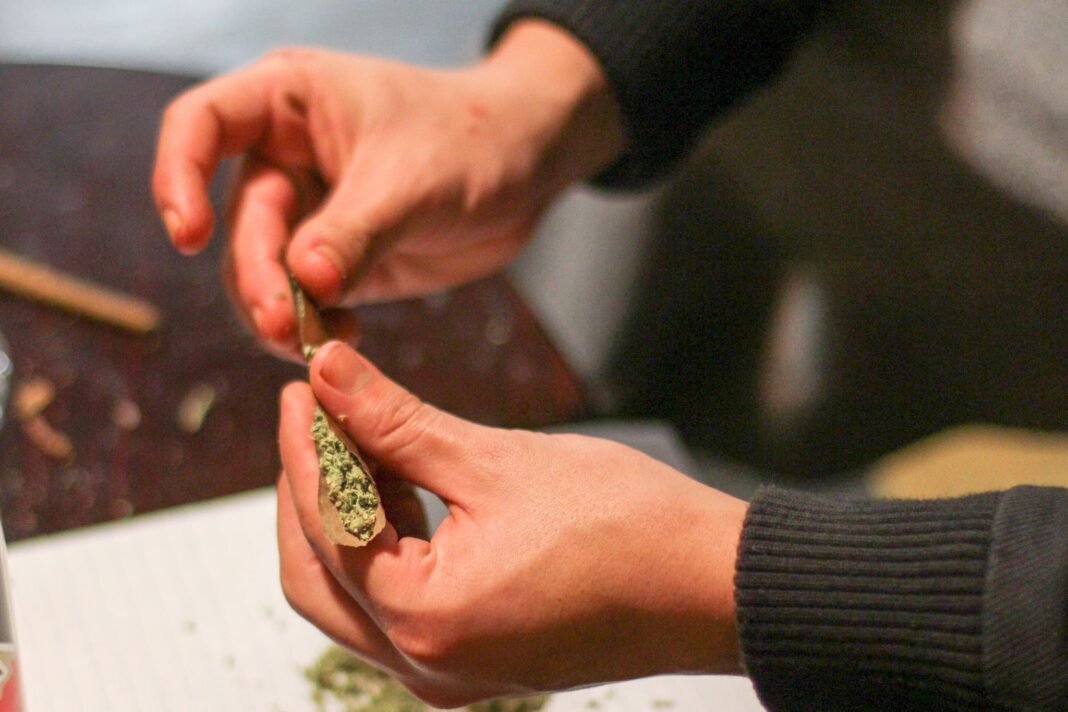

Minnesota has granted its first ever marijuana event license. This will allow adults to purchase and consume cannabis on site at an event this weekend. Artists famed for their embrace of cannabis culture—including Killer Mike, Warren G and Afroman—are set to preform at the event.
According to a release issued by the festival’s organizers on Thursday, the Office of Cannabis Management of the State (OCM), awarded a special licence last week. The state legalized adult use of marijuana two years ago, and the first non tribal marijuana shops opened for adults over 21 last week.
Two dispensaries—Legacy Cannabis Duluth and Waabigwan Mashkiki—have been approved to sell their marijuana products at the Legacy Cup event on Saturday.
“The Legacy Cup is committed to organizing a safe event—this festival is 21+, no alcohol, no tobacco. “Medics will be present on-site, as well as security,” the statement said. All lower-potency Hemp Edible Products or Adult Use Cannabis Products sampled at or sold during the Legacy Cup must be tested in a lab certified by the FDA. Vendors are also required to make their labs visible to the public.
This sixth annual event also features professional skateboarders as well as a “car show”, “ganja-games” and over 100 vendors.
The company said that Legacy Cup is a festival of firsts not just in Minnesota, but also across the nation. The vast majority of the states which have legalized cannabis for recreational use do not permit cannabis consumption or sales at events.
Californian state fairs now include on-site consumption and sales. New York allowed cannabis consumption and purchase on site in New York from 2021, but has since removed the option.
Minnesotans can buy marijuana at a number of different dispensaries if they aren’t attending the Legacy Cup. This is because the first retailers who don’t belong to a tribe began serving those aged 21+.
While certain tribal governments across the state have been permitted to sell marijuana on their reservations–and tribes have also agreements with the governor to sell at retail locations outside of their territories–last week marked the first time a non-tribal entity has been able to market marijuana for adults.
Minnesota occupies an unique geographical location in relation to marijuana, being surrounded by other states who still maintain the prohibition. Many newly-authorized retailers are within driving distance from the borders of those jurisdictions.
Meanwhile, Minnesota’s House of Representatives recently circulated a poll at this year’s State Fair that asked attendees about the idea of allowing localities to enact bans on marijuana businesses within their borders. The majority of respondents agree that the policy is a good idea, even though it’s not part of Minnesota’s current cannabis laws.
—
MEDCAN24 has been tracking the hundreds of bills relating to cannabis, psychedelics or drug policies that have passed through state legislatures as well as Congress in this past year. Patreon members who pledge at least $25 per month get full access to all of our maps, charts and calendars.
Find out more about our marijuana law tracker. To gain access, become a Patreon supporter.
—
Ahead of the enactment of legalization in Minnesota, lawmakers’ separate State Fair polls found majority support for the reform.
The governor has also selected a top cannabis regulator for the state who will oversee the adult-use market rollout. And while there may be some jurisdictions in favor of a local control option for licensees, over a dozen Minnesota cities have signaled interest in government-run cannabis retailers.
In June, OCM issued the state’s first recreational marijuana license for a cultivation microbusiness.
OCM announced at that time, it is taking more steps in order to develop the industry, create new opportunities, and build a stronger business. These include opening a licensing window for cannabis-testing facilities, accepting first license applications for marijuana events and verifying additional social equity status requests.
Separately, after Minnesota lawmakers passed a bill to end the criminalization of bong water containing trace amount of drugs, the governor signed the measure into law in May.
This change corrects an old policy which allowed the law to consider bong water in quantities greater than 4 ounces to be equivalent to pure uncut versions of the drugs consumed with the device.
In April, meanwhile, state officials moved to delay a separate drug reform—the opening of safe drug consumption sites, meant to allow people to use drugs in a safer, supervised setting.
A representative from the Department of Human Services’ Behavioral Health Administration stated that “more work is needed on a federal and state level” before the services could be implemented safely for participants.
In March, lawmakers also filed legislation that would create a system to allow legal access to psilocybin for medical purposes. That came just days after the introduction of a separate bill that would legalize personal psilocybin use and possession among adults.
Martin Alonso. Photo by Martin Alonso.
MEDCAN24 would not be possible without the support of readers. Please consider making a Patreon monthly pledge if you depend on our cannabis journalism for information.

Sponsored Content
This informative article is brought to you by NUBO CBD →