







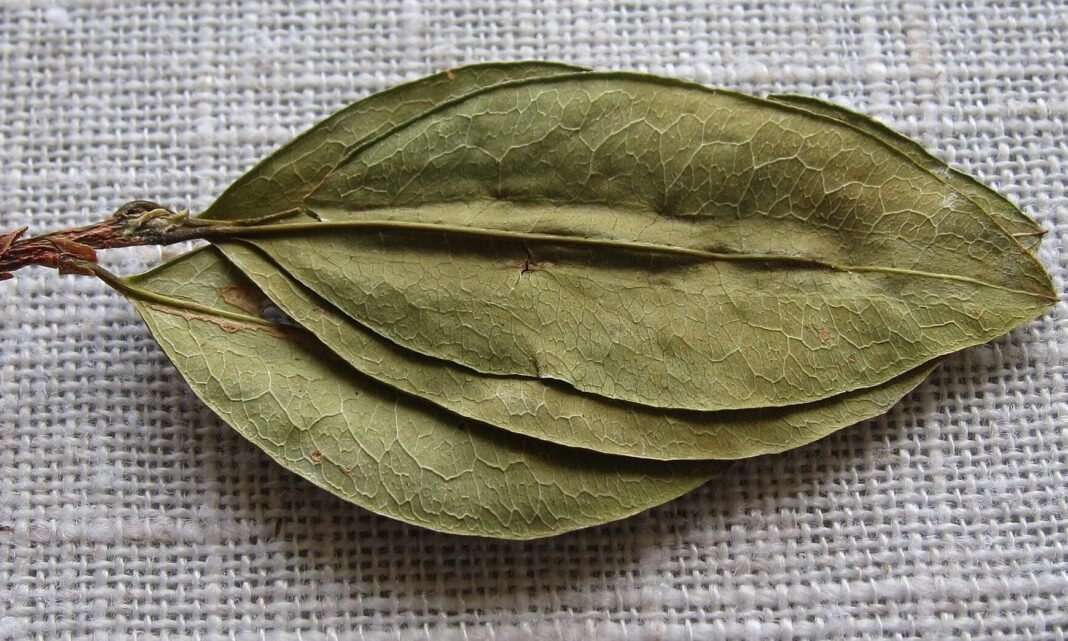

Researchers have documented the serious public health risks associated with all coca-control strategies.
Mattha busby Filter
According to an assessment commissioned by WHO, coca leaf consumption in raw form is not associated with significant health risks. However, official coca control measures are linked with “significant public harms.”
Filter viewed an advance copy of the report that was distributed to members of the WHO’s Expert Committee on Drug Dependence (ECDD).
Coca, the mildly stimulating and medicinal leaf that is the base ingredient of cocaine, was banned globally by the UN in 1964 after its investigators claimed coca leaf chewing is “definitely harmful” and “the cause of racial degeneration of many population groups.” A WHO paper also described the use of the calcium-rich plant as “a social evil.”
But despite U.S.-backed militarized efforts to eradicate coca leaf production in Colombia, Peru, Bolivia and Ecuador throughout the decades-long drug war, the consumption of the plant—which for many Indigenous communities holds profound spiritual value—has remained stubbornly prevalent, with production in Colombia at all-time highs.
“Research reviewed for this report did not reveal evidence of clinically meaningful public health harms associated with coca leaf use,” states the comprehensive scientific review commissioned by the ECDD. The research records do, however, clearly document the significant public health risks associated with coca leaf control strategies on all levels.
This review is in draft and will be copyedited. It was commissioned amid growing international calls to end the blanket prohibition of coca, as Filter Previous reported.
In October, the ECDD will discuss the report, which was prepared by an international group of independent contracted experts, and consider whether to recommend a change to coca’s current Schedule I status—the most restricted category, meaning researchers often find it impossible to source the understudied leaves.
In December, any recommendations will be made to the Commission on Narcotic Droughts. This commission is composed of 53 members who rotate every year. The CND will vote on the recommendations in March 2026. It could reschedule or even deschedule the coca leaf—which would have huge ramifications, ending the criminalization of its use and potentially providing a major economic boon for Latin American producer countries.
“We don’t yet have a recommendation from the committee but based on this, it would be hard to see how they could possibly recommend coca stay in Schedule I,” Steve Rolles, senior policy analyst at Transform Drug Policy Foundation, a charity campaigning for the legal regulation of drugs, told Filter.
It’s very likely that [the ECDD] He continued, “We might recommend that Colombia, Bolivia, and many civil society members deschedule, as they hope for.” “Keeping coca in any calendar does criminalize millions who use it traditional.”
However, should the WHO make a descheduling recommendation, Rolles expects the CND—which currently counts the United Kingdom, Saudi Arabia and China among its members—to vote it down. He said that the prohibitionist nations would fight any attempt to deschedule cocaine, because of their paranoia about it.
In February, Colombia’s President Gustavo Petro made widely reported remarks calling for the legalization of cocaine, which he described as “no worse than whiskey.” Bolivia’s outgoing left-wing and Indigenous-led government has called for an end to “decades of the colonization of the coca leaf,” but it is unlikely that the incoming right-wing government will pursue reform.
This WHO-commissioned report noted the research showing that aerial spraying by the authorities of coca crop increased miscarriages as well as the number and severity of dermatological and respiratory diseases in the targeted communities.
The study also showed that the forced eradication of coca incentivized farmers to intensify their production, by using toxic agrochemicals on “remaining or subsequent plots” and increasing exposure to chemicals.
Even though they only grew the coca plant for its traditional purposes, farmers in the 90s had to destroy their crop and face prosecution even though it was not illegal. The paper stated that “chronic exposure to agrochemicals can increase any health risks related to their use including neurological injury, organ failure and reproductive health issues.” The paper said that pesticides, agrochemicals, and other chemicals commonly used to cultivate unregulated plants may affect both their safety profile as well as the health risks.
Indigenous people in sprayed areas have also complained of “flu-like symptoms including nausea, dizziness, vomiting, diarrhea, respiratory problems, and skin rashes”, according to a 2001 report by the Transnational Institute, a progressive think tank.
“At least, it seems that the debate will be driven by science and evidence, rather than prejudice,” Ricardo Soberón, a former president of DEVIDA, Peru’s official drug control commission, who now campaigns for coca growers’ rights, told Filter. “I hope Latin American States, as well the 53 members CND should understand that descheduling this plant will strengthen the fight against criminal groups.”
Martin Jelsma, a program director at the Transnational Institute, said that the review report “clearly establishes” that there is no evidence of meaningful public health harms or dependence associated with coca leaf use. “With regard to the medicinal uses, the evidence is still preliminary but the potential is considered to be of ‘great interest for future developments to establish efficacy and safety for use in human medicine’,” he told Filter. These basic conclusions remove the original reason for inclusion in Schedule I.
The only reason left to keep coca leaf there would be the “ease of conversion” into cocaine, Jelsma added, “and it’s important that the report notes that cocaine can be produced from coca leaf by means of ‘solvent extraction’ rather than a process of ‘conversion’ which implies a chemical transformation of the molecule.”
In the section about the effects of current controls, the author says that while the report discusses coca’s importance as a drug and as a medicine for Indigenous people, it “deliberately avoids” the topic of human rights abuses.
The review does not comment on the health consequences of militarized enforcement strategies to eradicate coca and disrupt the trafficking supply, Many experts believe that violence is fueled by the following factors.
Compounding the issues resulting from the prohibition of coca, conservation campaigners have said that eradication efforts often force growers to deforest areas further from law enforcement inspections.
The report comes as use of coca in food, drinks like energy tonics and beer, cosmetic products that claim anti-aging properties and textiles is also increasing.
Although the report acknowledged that there are no meaningful health effects associated with coca use, it said, “Despite the abundance of literature on botanical, cultural, and historical aspects of coca, studies designed to evaluate their clinical effect are few.” Nonetheless, it said, “there is no evidence … of a fatal coca leaf overdose in humans.”
This article was originally published by Filter, an online magazine covering drug use, drug policy and human rights through a harm reduction lens. Follow Filter on Bluesky, X or Facebook, and sign up for its newsletter.
Sponsored Content
This informative article is brought to you by NUBO CBD →