






One of Italy’s main agricultural associations has asked the government to clarify the legality of industrial hemp activities – the latest move in a growing pushback against a national ban on hemp flowers
Confagricoltura (Confederazione Generale dell’Agricoltura Italiana), which represents agricultural enterprises across all production sectors and regions of Italy, filed the request – officially an “Act of Authentic Interpretation” – with the Ministry of the Interior,
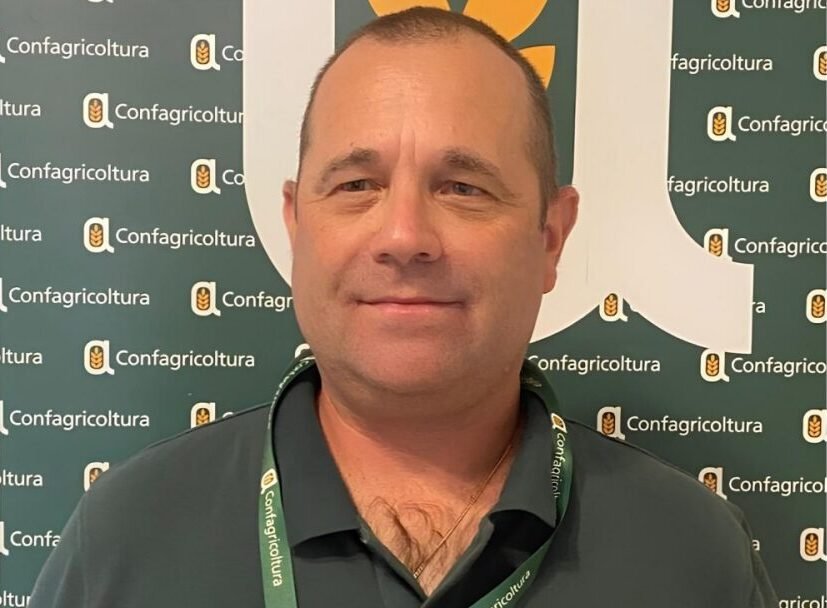
“We demand rapid clarity; otherwise, we risk undermining entrepreneurs’ efforts and creating a divide with the rest of Europe,” said Nicolò Panciera di Zoppola Gambara, president of Confagricoltura.
“Each time we’ve asked, we’ve been reassured that the government does not intend to criminalize hemp cultivation or the agro-industrial supply chain,” said Gambara, estimating the hemp flower sector employs 30,000 workers and generates €150 million in tax revenues annually.
Confagricoltura, founded in 1920, plays an important role in the national and EU agriculture policy through a large network of regional and province federations.
The uncertainty reigns
Confagricoltura’s initiative is based on article 18 of “Security Decree”, which classifies hemp flowers as drugs, regardless of their THC content. This measure bans the cultivation, sale and processing of hemp flowers, as well as their possession. It blurs the distinction between industrial hemp, which is non-psychoactive, and marijuana.
The association said that, despite the fact the rule was intended to ensure public safety, it has created confusion, and a legal risk, for more than 3,300 businesses in the entire value chain. These include farming, manufacturing and energy companies, as well as green building material suppliers.
Standards to look for
An Act of Authentic Interpretation in the Italian legal system is a parliamentary act that clarifies, but does not rewrite, how a law already exists. The courts, the regulators, and the law enforcement are bound by such acts.
While the Act is being drafted by Parliament, the ministry can initiate or support the process. Interior Ministry plays a key role in the process because it is responsible for law enforcement including drug laws and also can issue administrative interim guidance. Confagricoltura wants the government use this tool for a formal confirmation that industrial hemp operations are legal and not subject to the narcotics laws, as well as to standardize the controls so operators have legal certainty.
Broader opposition
Confagricoltura’s move follows an action by Italy’s regional agricultural councilors aligned with the Italian Confederation of Agriculture. The Cia called the prohibition “ideological”, and warned it would threaten regional autonomy and undercut economic development.
Italian officials and producers are lobbying Rome and Brussels and launching legal actions.
A court ruling in April that affirmed the government ban on CBD oral products has sparked a political and financial backlash. The decision also reinforced the classification of oral cannabis supplements as pharmaceuticals. This ruling was based on the precautionary principle and cited concerns about health. It rejected scientific evidence from sources in Italy and EU.
Sponsored Content
This informative article is brought to you by NUBO CBD →