



The Ministry of Health, Labour and Welfare in Japan (MHLW), has started accepting public comment on a proposed classification of cannabinol as a drug. This is the first step towards treating hemp derivatives as controlled narcotics.
The final rule may prohibit CBN and hemp-derived CBD products from being sold, advertised, distributed, or imported in the United States. This regulation only affects CBN imported to Japan where cannabinoids and hemp flower harvesting are banned.
This public comment period runs until November 27. It follows a meeting held in late October by the Pharmaceutical Affairs Council Designated Drugs Subcommittee.
‘Avoid purchase and use’
According to the ministry, CBN-containing products have a “high likelihood of psychotoxicity” and it has already advised consumers “to avoid their purchase and usage.”
MHLW announced the consultation by saying that “because it is difficult to distinguish CBN products from those containing CBD, and other cannabinoids, like THC, we are calling for both businesses and consumers to be aware of safety and to take the appropriate actions.”
The order, if finalized, would limit sales, distribution and advertising of CBN in accordance with the Pharmaceuticals and Medical Devices Act. It is expected to be promulgated by mid-December and take effect 10 days after.
What now?
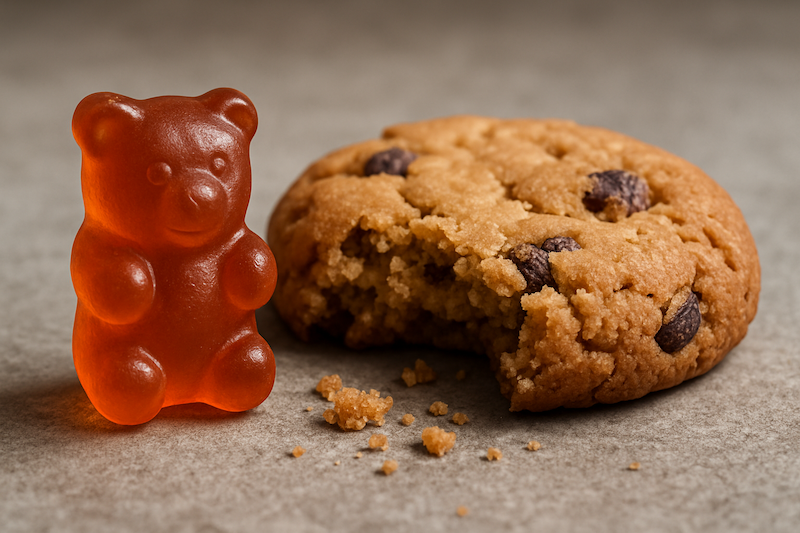
CBN became more popular in Japan during the past two decades as retailers marketed it as a compound that supports sleep and has “stronger felt” effects than CBD. In the past two years, high-dose gummies, cookies and other ingestibles have spread rapidly across online retailers and boutique wellness shops.
In multiple Japanese language reports, this year, a university student ate a cookie that was advertised to contain CBN. He then jumped through a second story window without injury. National media and broadcast outlets also emphasized the broader concern about edibles “like cannabis” and sudden illnesses in consumers. The details are still being investigated, but the media coverage has contributed to sharpening policy.
Trade associations are trying to stay ahead of regulators. The Japan Cannabinoid Federation (JCF) and allied bodies issued position papers and voluntary guidance, and the National Cannabis Commerce & Industry Council (Zenmakyo) rolled out labeling and ingestion recommendations this year that call for restraint on dose and marketing. These efforts acknowledge reports of emergency transports suspected from overconsumption and flag ultra-high-dose edibles—yet they have not slowed the health ministry from acting.
CBN’s growth, CBD’s dilemma
CBN’s commercial pitch in Japan has leaned on “feel it” functionality—particularly for sleep—making it a convenient upgrade narrative from CBD. MHLW said that the current message to consumers and businesses is based on this frame, as well as the difficulties in analyzing the differences between CBD and CBN.
CBN, if this rule becomes final, will fall into the same category of controlled drugs as in Japan. Commercial sales — including supplements, gummies and wellness products — would be prohibited. CBN can only be used in pharmaceuticals, if the company has received approval for its medical application from the Ministry. MHLW has set a timeline for the promulgation of CBN in mid-December. This leaves a very short window to comply after Nov. 27, when comments are due.
Changes to the ingredient regulations
The move to control CBN as Japanese officials are transitioning from “plant-part” rules to ingredient-based controls pegged to measurable cannabinoids—especially delta-9 THC. Japan traditionally has only allowed stalks and seeds from hemp to be used in its products. Flowers and leaves are still prohibited.
This framework remains the basis for CBD. CBD must still be extracted from these non-flowering parts. The regulatory and customs guidance reiterate these restrictions. For years, producers have circumvented the restrictions by merely labeling their hemp-based products. This is impossible to do.
Japan has some of the most strict THC restrictions in the entire world. For CBD oils and powders, the threshold is 10 mg/kg (0.001% or 10 ppm), with even tighter limits for beverages and some foods—orders of magnitude below the 0.3% norms used in the U.S. and Europe. HempToday reported in 2024 how the caps made distributors search for low-THC ingredients and change supply chains.
What is next?
MHLW will be able to determine from stakeholder comments whether it is willing to consider managed-risk alternatives such as category and dose restrictions or adopt a CBN label. Either way, the ministry’s language—and the accelerated timetable—signal a crackdown that could cascade beyond CBN to other non-intoxicating hemp cannabinoids if differentiation and enforcement remain problematic.
Sponsored Content
This informative article is brought to you by NUBO CBD →