






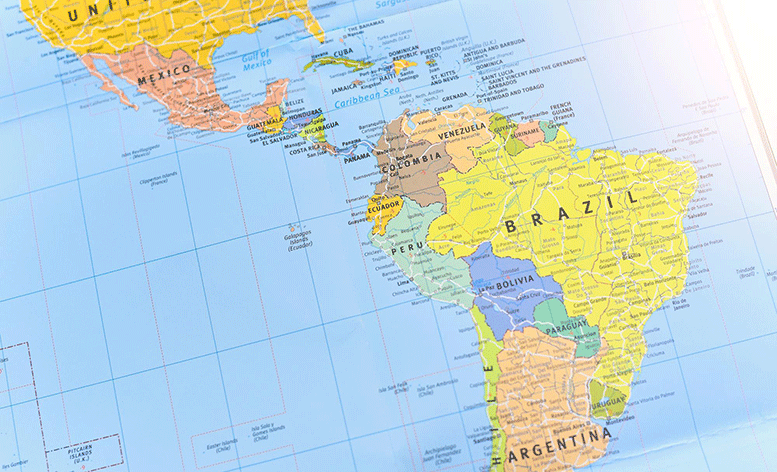

Brazil’s leading agricultural research institution, Embrapa, is urging regulators to raise the national THC limit for hemp from 0.3% to 1.0% — a shift it says is essential if Brazil is to compete with neighbors such as Argentina
The change could unlock industrial, medicinal, and research-driven opportunities, the agency said during a recent expo in São Paulo.
Why 1% matters
The Brazilian farmer’s genetic options would be immediately expanded by raising the cap. The cap of 1.0% also increases the cost-effectiveness of CBD production, as CBD levels increase proportionately with THC concentration in many cultivars. Changes would protect growers from “hot crops” that exceed the 0.3% threshold, causing financial losses.
Finally, a higher threshold would also allow plant breeders to develop more region-specific varieties, accelerating R&D that has been stalled by regulatory constraints.
Some countries limit hemp regulations to 0.3% THC, which is the limit used by North America and some parts of Europe. But a growing number have moved up to 1.0%, to allow farmers to breathe more easily. Switzerland is a non EU member and allows industrial hemp that has THC levels less than 1.0%. It treats it as cannabis-free as long as the threshold is met.
Czech Republic also raised the limit for hemp grown on farms to 1.0%. Its rules are now in full compliance with Swiss regulations. Uruguay draws a line at 1,0% THC between industrial hemp and mariuana.
Stuck in neutral
Embrapa, despite its mandate as a leader in agricultural innovation and to be the federal regulator of health for Anvisa, still does not have authorization to grow cannabis to scientific standards. The researchers must use partnerships to gain access to plant material. However, this slows down progress when the competitors start scaling up.
Lilia Salgado, Deputy Head of Research and Development at Embrapa, said Anvisa will need to set clear rules for plant yield, THC levels, and chemical composition—standards that are essential for producing the plant-based active ingredients used in medicines.
This call comes in the midst of a long-running regulatory drama. In October, Anvisa requested an additional six months from the Superior Court of Justice to decide whether to authorize hemp cultivation for medicinal purposes — pushing the deadline to March 31, 2026.
It missed the September deadline for making a decision set out by the court and gave reasons such as “technical difficulties” or a need to have broader discussions. Anvisa’s delay has frustrated stakeholders, who saw Anvisa drop hemp off its agenda during key times. They are now worried that the regulators will restrict cultivation of hemp to pharmaceutical channels.
Clarification needed for sector
Brazil will spend over $150 million on cannabis-based medicine this year, with the majority of it imported. According to a study conducted by Instituto Escolhas, domestic demand for cannabinoid-based medicines could increase sixfold in the early 2030s if production is made locally.
After years of arguing, advocates say that Brazil’s dependence on foreign APIs is due to the failure to approve and update THC limit and not allow cultivation. They also claim this prevents development in an industry which could be beneficial for both family farms and large businesses.
The STJ has already determined that low THC cannabis is not covered by Brazil’s Narcotics law and Anvisa was ordered to create a regulation framework. Years of hesitancy have put the cannabis industry in an uncertain state. Embrapa and others have warned that without a clear rulebook — including a 1.0% THC standard — Brazil risks ceding leadership in a field where it has climate, acreage, and competitive advantages.
It was stated that raising the THC limit is one short-term step which could help to move the cannabis sector from paralysis. Embrapa has said that it will expand breeding programs and regionalize production when the regulations allow.
Sponsored Content
This informative article is brought to you by NUBO CBD →