





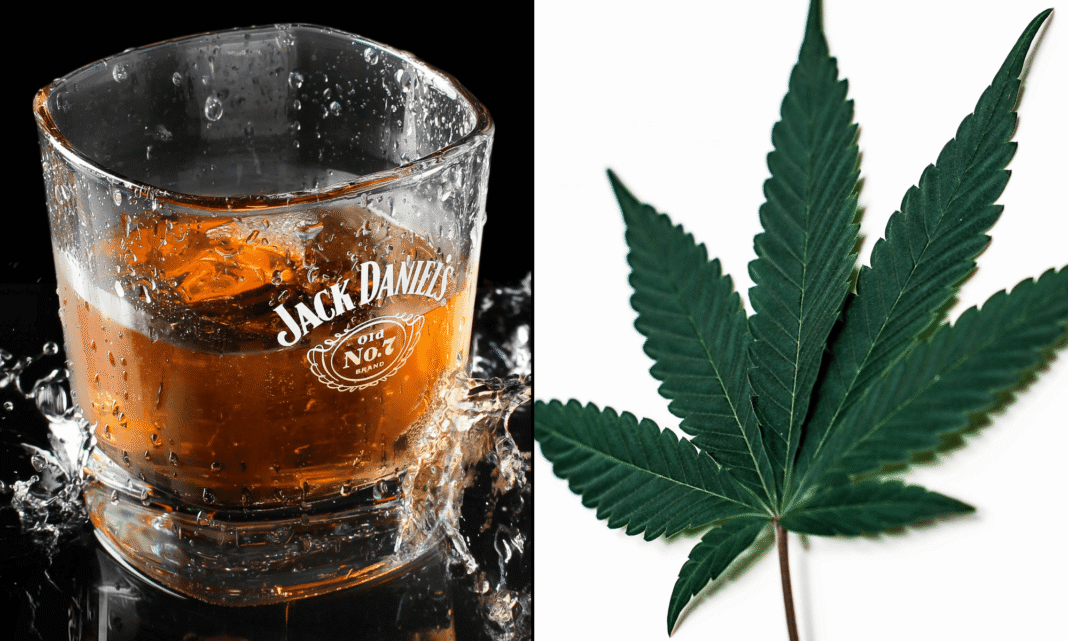

New research suggests that consumers may be able to reduce alcohol consumption by switching to cannabis-infused drinks.
Researchers in public health have been searching for ways to lessen the impact of alcohol on society, which is linked to more than 200 illnesses and injuries around the world. The new study sheds some light on how the availability of THC beverages can help.
Researchers affiliated with State University of New York, Buffalo have found that cannabis beverages can be used to reduce the harmful effects of alcohol and support the substitution of alcohol. This is a good alternative for those who want to cut down on their alcohol consumption.
The consumption of cannabis drinks was linked to self-reported decreases in alcoholic beverages per week as well as frequency of binge-drinking. These could result in reductions of alcohol-related health problems and other effects.
A study published in Journal of Psychoactive Drugs based upon a survey of over 438 adults that had consumed cannabis in any form in the previous year examined whether or not cannabis beverages were substituted for alcohol.
The paper states that “we found that one third of respondents use cannabis beverages, and that those people who have used them reported that they substituted cannabis more often than alcohol for the people who had only used other products.”
Jessica Kruger (lead researcher) said that the press release introduced the idea of cannabis being used as an alcohol harm reduction. Cannabis has been suggested as a harm reduction method for opioids, but alcohol is not discussed as much.
According to the release, “findings from this study suggest that drinking cannabis beverages can help reduce alcohol-related harms and support alcohol replacement. This is a promising solution for anyone who wants to cut back on alcohol.”
This paper states that, “as cannabis-infused products are legalized on the market, interest in their use as alcohol substitutes is growing.”
The study found that THC beverage drinkers in general were more inclined to admit they substituted alcohol for cannabis. Nearly 59% of respondents said they had done so, as opposed to about 47% who didn’t drink cannabis beverages.
Binge drinking patterns also differed among groups. The risk level of cannabis beverages was lower for more than 80 percent.
Researchers wrote that cannabis drink users reported reduced alcohol consumption on a weekly basis and fewer binge drinks after initiation.
The researchers concluded, “There is plausible reason to believe that cannabis beverages offer a unique way of reducing alcohol-related harm.”
The substitution of alcohol by cannabis could function as an effective harm reduction strategy. Cannabis beverages are particularly suitable for such purposes.
Kruger said that, looking to the future she believes more research will be needed. It will be a while before cannabis drinks are accepted as a mainstream product, she added.
This study is timely as Americans seem more willing to give up or reduce alcohol and tobacco use than to stop using marijuana.
The study also follows a recent government-funded report that found state marijuana regulators are more sensitive to the public’s health needs than their counterparts in the alcohol industry.
Researchers from Brown University published an article in November about the science of the California sober trend. This refers to individuals who refrain or reduce their use of alcohol, most other drugs and cannabis while continuing to consume it. The federally funded study found that smoking marijuana is associated with “significantly” reduced rates of alcohol consumption.
This week, the United Center in Chicago—the largest entertainment arena in the U.S.—announced a partnership with two cannabis drink brands that involves plans to provide adult guests with a selection of hemp-derived THC beverages to enjoy at concerts and live events.
Sponsored Content
This informative article is brought to you by NUBO CBD →