

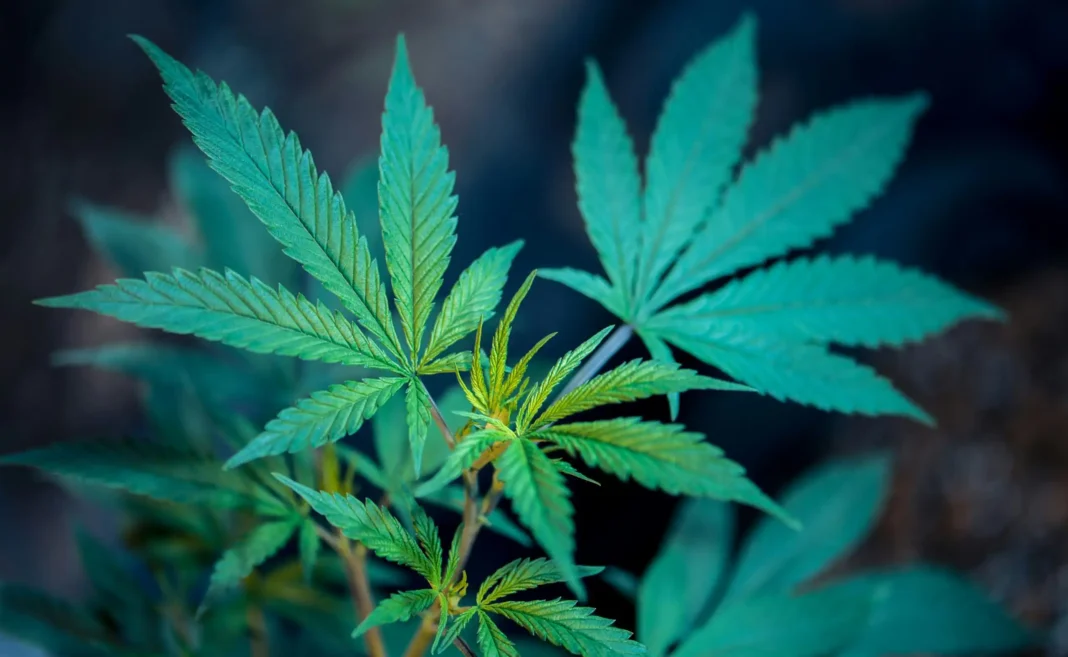

Medical cannabis can be a powerful tool in this journey. “Medical cannabis is a powerful tool that can help you on this journey.”
Peter Grinspoon from Harvard Medical School
In my primary care clinic, I witness it daily: Seniors are turning more and more to cannabis for relief from medical discomforts of ageing.
Whether it’s the grinding discomfort of chronic pain, the “gray” fog of late-life anxiety or the persistent, soul-crushing frustration of insomnia, older adults are discovering that the cannabis plant can often do what many of our standard prescriptions cannot—provide genuine relief without a laundry list of debilitating side effects.
Our elderly are looking for an escape from the polypharmacy treadmill. They want to reduce their dependence on pharmaceuticals, which can come with more side effects than benefits.
A sea-change has occurred in the demographics. At the moment, older cannabis users are the most rapidly growing segment in the United States. To put some hard data behind that: roughly 25.8 percent of medical cannabis patients are 65 or older, and a staggering 34.5 percent fall into the 50–65 range.
The “War on Drugs” has stigmatized plant medicine for fifty years with misinformation, and a one-sided view of science.
A large part of the medical community is not well-equipped to teach patients about this treatment. Many physicians are unable to provide answers to basic questions due to a lack of clinical experience. Patients must then navigate the waters themselves. Patients seek out medical advice because they have few other options.
A Legacy Of Healing
It’s not only an interest I have as a student or professional; this has become woven into my fabric.
My brother Danny died of childhood leukemia when I was only eight years old. My parents were desperate to relieve his suffering and crossed legal lines to obtain medical marijuana for him in the early 70s.
Only this could relieve the nausea and vomiting that accompanied his chemotherapy. The treatment was extremely effective. It allowed Danny to continue to live his life, eat and maintain a healthy weight.
This transformation has etched a fact in my memory that can’t be erased by any amount of DARE or prohibitionist rhetoric: Cannabis is a powerful medication.
This journey was completed with the help of my father, Lester Grinspoon. He was a renowned cannabis expert, scholar, and professor at Harvard Medical School. His career was spent educating physicians, as well as the general public about cannabis’ medicinal properties. In his 80s and 90s, he began using cannabis to treat chronic pain, cancer symptoms and other ailments. He was able to maintain a high quality of life, which would not have been possible otherwise.
Since 1995, I have helped thousands of people safely incorporate medical cannabis in their daily life.
Discovering the Clinical Pragmatism of Risk Management
The clinical aspects of medical marijuana treatment should be discussed openly.
Cannabis is not an all-purpose panacea or a miracle cure for any ailment. The drug doesn’t suit everyone. It has both legitimate uses and potential side effects, just like any other medication I carry in my bag. It can be used in a safe or unsafe manner, just like other medicines.
Some patients—particularly those who are “cannabis-naive”—simply cannot tolerate the impairment or “high” that comes with higher doses of THC. Cannabis, like other drugs used to treat pain or sleep, can make a person dizzy, alter their balance and temporarily affect short-term memories. Cannabis can become addictive in a small percentage of its users.
It is important to view these challenges in the proper context. The picture becomes clearer when I consider the entire scientific literature as well as the thousands of patient cases I have seen over the past 25 years.
Cannabis, when used correctly, with caution, and under the guidance of a qualified professional, can be less harmful than many traditional drugs that we prescribe for our elderly. Cannabis, unlike many other drugs, does not cause liver and kidney damage, chronic constipation, or gastric ulcers. It also does not lead to dementia. When patients start cannabis, it is best to have a knowledgeable clinician who can guide them.
It is our duty to support older patients in stepping out of the shadows created by the past fifty years. As care providers and family members, it is our job to be there for patients, with empathy, evidence, and support. Our seniors can regain their quality-of-life by using medical cannabis with the right education and guidance.
Medicine’s ultimate goal is not to simply add more years to someone’s life but also to improve the quality of those last years. Medical cannabis is an important tool to help you on this journey.
Peter Grinspoon, MD is a medical instructor at Harvard Medical School and an addiction specialist. He wrote the book, “Aging Well: Feel Better Live Better and Slumber Better With Marijuana CBD.”
Sponsored Content
This informative article is brought to you by NUBO CBD →