


According to an American Medical Association study, a single dose of Psilocybin combined with regular therapy sessions significantly reduced symptoms of depression in just a few days. The effects lasted for months.
The researchers from the Brain Stimulation Clinic and Karolinska Institutet in Stockholm carried out the phase two randomized trial. They involved 35 participants who had moderate to severe depression. Participants received either a dose of 25 milligrams psilocybin, or a niacin placebo.
In the study published last week in JAMA Psychiatry, the patients underwent also five psychotherapy sessions as a complement to the psychedelic experience or placebo.
At day 8, the average psilocybin-treated group experienced clinically visible improvement in its symptoms when compared with a placebo-treated group.
The paper states that “this finding suggests that psilocybin could be an alternative to standard treatment when rapid symptoms relief is needed.”
A single dose of Psilocybin produced rapid antidepressant effect.
At the end of week six, 53% of those taking psilocybin were in complete remission of depression. Only 6% of those on placebo had reached that stage.
The researchers did find that after one year, the effect of the drug seemed to have diminished.
In a recent press release, Hampus Yngwe, the lead author of the study said that “our results indicate that psilocybin may provide a rapid and clinically significant improvement in depression. It could serve as an alternate to standard treatments when rapid symptom relief is needed.”
The long-term effect is still uncertain. “Repeated treatments could be necessary to prevent relapse,” said he. This needs to be studied in larger studies.
The findings of our study suggest that the psilocybin may be useful in treating depression, due to its relatively rapid effects and long-lasting nature. Although this duration might not be as great as indicated by uncontrolled previous studies. To prevent relapse, repeated dosing and maintenance therapy may be required.
Johan Lundberg is a professor of neuroscience at Karolinska institutet. He added, “It is important that we emphasize the fact that this treatment does not come without risk and that certain patients might need additional support.”
It is the first time that a randomized double-blind trial has been conducted in Sweden to investigate psilocybin’s effects on depression. The Swedish Research Council provided funding for the researchers, as did Norrsken Mind.
But it is not the only one that shows that the use of psychedelics in a single dosage may help treat various mental disorders.
One recent American Medical Association study found, for example, that a dose of psilocybin with integrated psychotherapy appears to be a safe and effective option as a treatment method for those with cocaine use disorder (CUD).
That research was being published about two months after AMA released a separate study finding that a single dose of psilocybin combined with therapy is associated with “significantly increased long-term abstinence” from cigarettes compared to nicotine patches. The researchers concluded that the results indicate the psychedelic has “potential in the treatment for tobacco use disorders”.
Americans show increasing interest in exploring therapeutic potentials of substances like Psilocybin as policy reform progresses in state legislators in U.S. states and Congress. To that point, a RAND Corporation analysis recently found that nearly 10 million American adults microdosed psychedelic drugs such as psilocybin, LSD or MDMA in 2025.
A scientific review published by AMA last year that use of psilocybin has “surged” in the U.S. in recent years amid the decriminalization movement and in light of “promising clinical trial results” on its therapeutic potential. However, the report also noted that the current federal laws prevent researchers from gaining an understanding of its true effects.
Meanwhile, another study from last year found that psilocybin-assisted psychotherapy “showed significant reductions in alcohol consumption and high smoking cessation rates” and has potential to lessen opioid dependence.
In 2024, meanwhile, two other studies—including one with contributions from a top federal drug official—examined psychedelics and alcohol use disorder (AUD).
The first study concluded that one dose of psilocybin was “safe and effective” in treating alcoholism in patients with AUD, while the second concludes that “classic psychedelics such as psilocybin or LSD have demonstrated their potential to treat drug addiction in general and AUD in particular.”
The National Institutes of Health that year also announced that it would put $2.4 million toward funding studies on the use of psychedelics to treat methamphetamine use disorders—funding that came as federal health officials noted sharp increases in deaths from methamphetamine and other psychostimulants in recent years, with fatal overdoses involving the substances rising nearly fivefold between 2015 and 2022.
In 2023, the National Institute on Drug Abuse (NIDA) announced a $1.5 million funding round to further study psychedelics and addiction.
Meanwhile, the Trump administration has recently taken steps to explore the therapeutic potential of psychedelics such as ibogaine, which has been touted as a potentially life-saving treatment option for people suffering from serious mental health conditions such as post-traumatic stress disorder (PTSD) and substance use disorder.
—
MEDCAN24 tracks hundreds of marijuana, psychedelics, and drug policy legislation in state legislatures this year. Patreon subscribers who donate at least $25/month gain access to interactive maps, charts and a hearing calendar.
Discover more about the marijuana bills tracker. Become a patron on Patreon and you will have access.
—
Other studies have also indicated that psychedelics may unlock new promising pathways for treating addiction. A first-of-its-kind analysis in 2023 offered novel insights into exactly how psychedelic-assisted therapy works for people with alcohol use disorder.
In 2024, the National Center for Complementary and Integrative Health (NCCIH), which is part of the National Institutes of Health (NIH), identified the treatment of alcohol use disorder as one of a number of possible benefits of psilocybin, despite the substance remaining a Schedule I controlled substance under U.S. law.
A 2022 study was highlighted by the agency, which “suggested psilocybin could be beneficial for alcohol abuse disorder.” Research found those in psilocybin assisted therapy had less heavy drinking days than their control group over a period of 32 weeks. NCCIH claimed that this “suggests psilocybin could be beneficial for alcohol abuse disorder.”
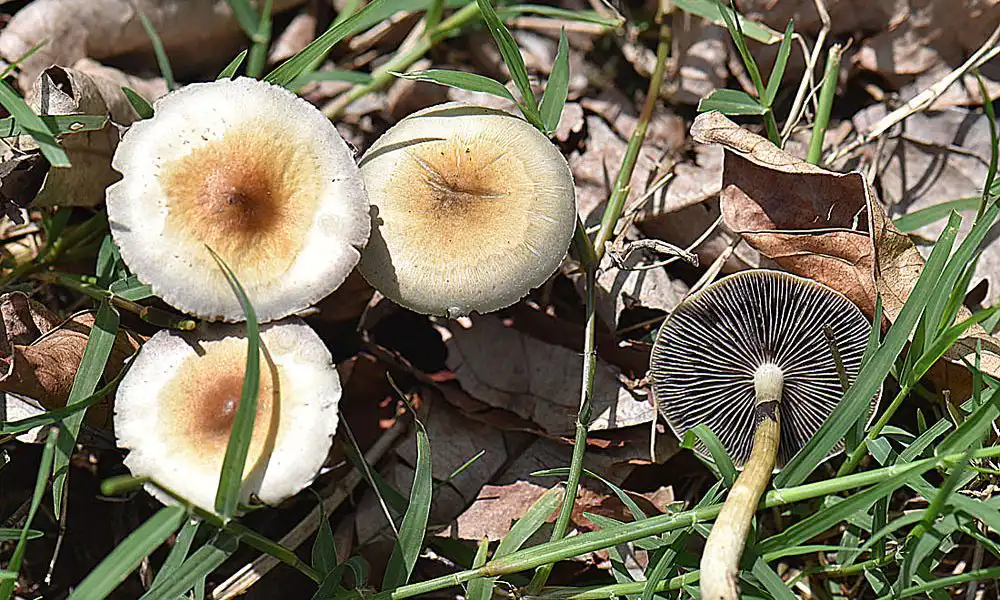
Dick Culbert provided the photo.
MEDCAN24 would not be possible without the support of readers. Please consider making a Patreon monthly pledge if you depend on our cannabis journalism for information.

Sponsored Content
This informative article is brought to you by NUBO CBD →