


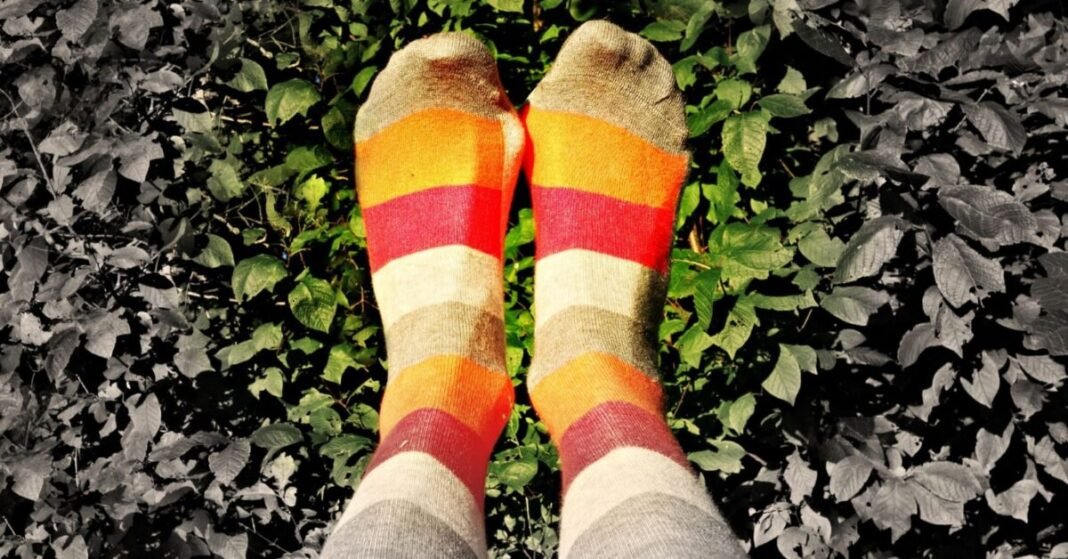

RLS is characterized by a tickling, twitching or other unpleasant sensation in the muscles of the legs when sitting or lying. This discomfort can be relieved only by moving your legs. RLS might not seem like a serious problem to someone who has never experienced it. However, those who suffer from RLS know the frustration and negative effects it can cause.
This condition can be annoying at any time but is particularly dangerous when it prevents people from falling asleep or staying asleep. A lack of sleep can affect a person in many ways. It can lower their immune system and increase blood pressure. It may also alter their hunger hormones. The risk of heart disease, obesity, diabetes type 2, anxiety and depression increases.
Researchers in international health estimate Over 356 millions people worldwide suffer from restless leg syndrome. According to researchers, the European continent has a higher prevalence of RLS and Africa the lowest. Various treatments exist for restless legs syndrome, although there is no ‘one-size-fits-all’ treatment. What works well for one person might not be effective for another.
A growing number of RLS sufferers are turning to medical cannabis as a treatment. Researchers from the Universidad Europea de Madrid, Hospital Universitario de Getafe and other Spanish institutions conducted a study in Spain on RLS and cannabis. The study’s results were published in Journal of Neurology.
“Dopamine agonists were previously considered the first-line treatment for Restless Legs Syndrome (RLS); however, α2δ ligands are now recommended to prevent augmentation. Cannabinoids may be an effective treatment for RLS, as they inhibit glutamate released in the striatum. Researchers wrote.
Researchers in Spain provided study participants suffering from RLS an oral sprayed containing 2.5 mg plant-derived CBD and 2.7mg of tetrahydrocannabinol. Participants self-administered a spray daily, and RLS symptoms were assessed at baseline, one month, three monthly, and one year.
“At baseline, patients exhibited low daytime sleepiness (ESS: 10.63 ± 3.46) and severe RLS (IRLS: 22.44 ± 8.77). Mean sleep efficiency (SE) was 83.64 ± 6.03%, sleep latency (SL) was 26.71 ± 18.64 min, and wake after sleep onset (WASO) was 40.29 ± 10.03 min. IRLS scores improved significantly after both 1 month and 3 months of treatment (p < 0.001). WASO was significantly reduced (p = 0.015), whereas no significant changes were observed in SL or SE. After 1 year, 66.66% of patients remained on treatment and continued to show sustained improvement in IRLS scores (p = 0.000).” The researchers found.
In this open-label exploratory study, the treatment with 2.7mg THC/2.5mg CBD was effective in reducing RLS symptoms, as measured by IRLS scale in patients with MS-associated idiopathic RLS. After 1 and 3 months of treatment, improvements were seen and remained after 1 year for patients who continued the therapy. Researchers concluded.
Market analysts at Mordor IntelligenceThe restless leg syndrome market is estimated to be USD 727.58 in 2025 and expected to reach USD 937.22 by 2030. This represents a CAGR (Compound Annual Growth Rate) of 5.21% for the forecast period (2025-2030).
Sponsored Content
This informative article is brought to you by NUBO CBD →