







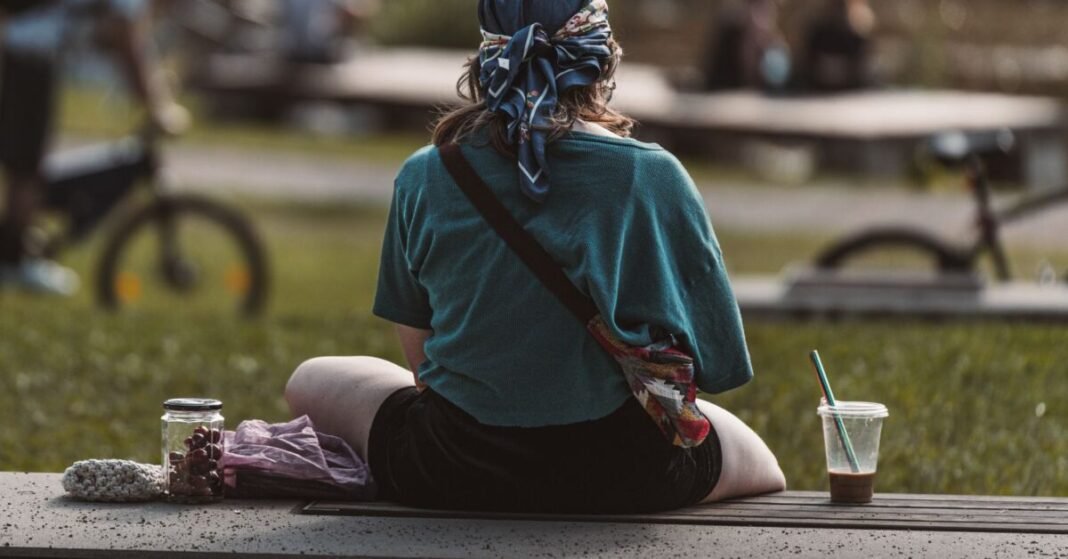

Since at least 1990, people with disabilities worldwide have been suffering from lower back pain. According to the Global Burden of Disease Study 2017Around 7.5% of people on the planet experience some form of lower back pain – ranging from mild up to severe.
Researchers define lower back pain as “pain that is felt on the posterior side of the body, from the lower edge of the 12th ribs down to the lower glutealfolds. This pain may or may not be referred to one or both of the lower limbs and lasts at least a day.”
Lower back pain can develop due to a variety of factors, including injuries at work. Lower back pain is a temporary problem for some. For many, lower back pain can be chronic and last for several weeks or even months. In some cases, the pain is so severe that it never disappears.
Researchers from the University of Colorado Boulder carried out a study on edibles infused with THC/CBD and their potential as a treatment of lower back pain. The findings of the study were published in a journal. Biomedicines.
“Despite growing accessibility throughout the U.S., it is still unclear if the naturalistic use of recreational cannabis edible products is associated with decreases in pain intensity on days of use or longitudinally, and if these associations are dependent on the doses of delta-9-tetrahydrocannabinol (THC) and cannabidiol (CBD) being consumed.” The researchers wrote.
Participants with chronic low-back discomfort were asked to choose an adult-use cannabis-edible product for use only for 14 days. The labeled potency of THC and CBD was “used to determine the product group: THC + CBD(n = 112) or THC-dominant(n = 34). Participants in the study completed daily questionnaires reporting their current pain intensity and whether or not they had used the product that day. They also reported the cannabinoid dose.
Increased doses of THCB = −0.02, 95% CI [−0.04, −0.01]CBD is not CBDB = 0.003, 95% CI [−0.03, 0.01]CBD doses increased the effect of THC (B = 0.02, 95% CI [0.01, 0.04]).” The researchers discovered.
“These findings suggest a complex relation between THC, CBD and pain intensity in recreational cannabis edible products. The use of THC-containing products was associated with lower daily pain intensity. However, dose models suggest that this association could be lessened at higher CBD doses. In addition, only products with relatively equal amounts THC or CBD were associated to lower pain intensity following 14 days of observation. The researchers concluded.
Sponsored Content
This informative article is brought to you by NUBO CBD →