





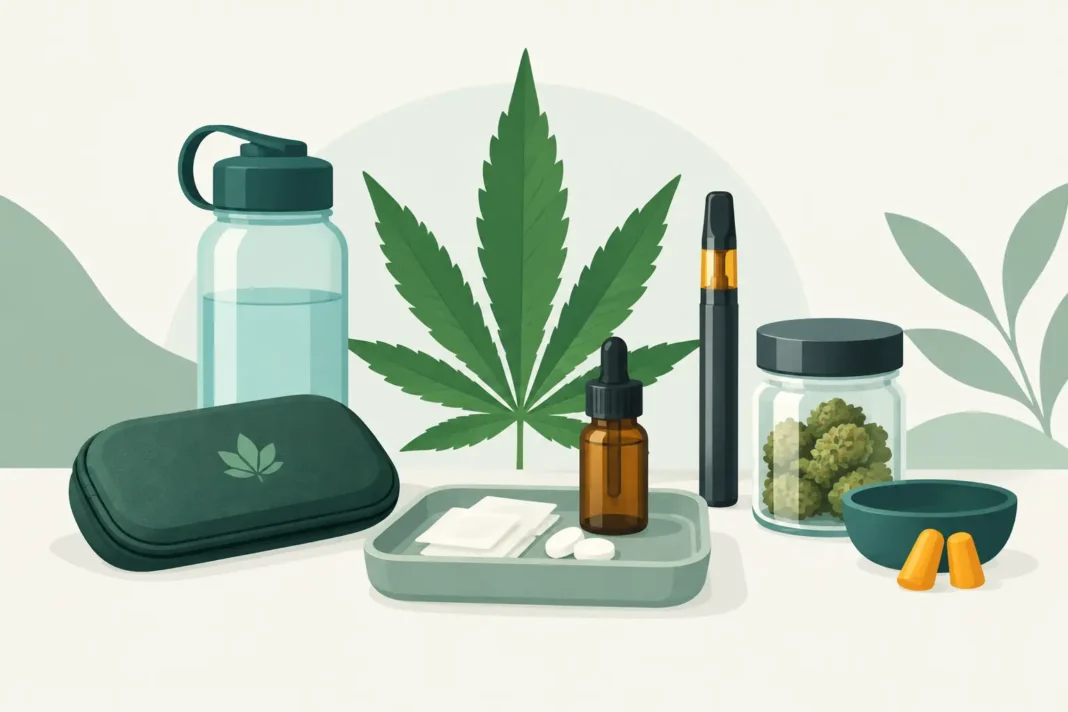

Cannabis policy is moving faster than consumer education in much of Europe. As access expands through medical programmes, pilot schemes and changing enforcement priorities, leading cannabis harm reduction tools are becoming a practical public-health issue, not a lifestyle add-on. They cannot remove every risk, but they can help adults make more informed decisions about dose, product quality, impairment and when not to use cannabis at all.
For operators, clinicians, policymakers and informed consumers, the central point is straightforward: harm reduction works best when it is built into the product journey. Clear information before purchase, measured use at home and realistic safeguards around driving, storage and mixing substances matter more than generic messaging after a problem has occurred.
What makes a cannabis tool genuinely harm-reducing?
A harm reduction tool should solve a recognisable risk. It may reduce uncertainty about potency, make accidental overconsumption less likely, lower exposure to combustion products, or help a person avoid using cannabis in a situation where impairment carries serious consequences.
That definition also sets a necessary limit. A tool is not a guarantee of safety. A vaporiser, for example, may reduce exposure to some toxic compounds associated with smoke compared with combusting cannabis, but it does not make driving safe, prevent acute anxiety, or eliminate the possibility of dependence. The same applies to lower-THC products, which may be a more manageable option for some people but are not risk-free.
The strongest approaches combine practical equipment with accurate labelling, trained retail staff where legal, medical oversight for patients, and plain-language public information. Product design alone cannot compensate for weak regulation or misleading marketing.
Leading cannabis harm reduction tools in practice
Dose-controlled products and clear labelling
The most useful harm reduction intervention is often the least glamorous: knowing how much THC is being consumed. Standardised, low-dose formats and reliable labels allow consumers to make deliberate choices instead of estimating from a package, a dropper or an unfamiliar edible.
This is particularly relevant for edibles. Their delayed onset can lead people to take more before the first dose has taken effect. A cautious approach is to begin with the lowest practical dose and wait long enough for the product’s stated onset window before considering more. That waiting period varies by product, metabolism and whether the person has eaten.
Labels should state total cannabinoid content, cannabinoid content per serving, batch information, suggested serving size and relevant warnings. In medical settings, patients also need a clear route to discuss dose changes with a prescribing clinician rather than relying on social-media advice or informal recommendations.
Non-combustion options, with honest limits
Smoking cannabis introduces combustion products into the lungs. For people who would otherwise smoke, regulated dry-herb vaporisers can be a harm reduction option because they heat cannabis without burning it. The distinction matters, especially for patients who use cannabis regularly.
However, the category requires care. Poor-quality devices, unregulated cartridges and overheating can create their own risks. Consumers should avoid modifying devices, using questionable liquids or assuming that a product marketed as a vape has undergone meaningful quality control. Those with respiratory disease should seek clinical advice rather than treating vaping as a universally suitable substitute.
Tobacco co-use deserves equal attention in European markets, where mixing cannabis with tobacco remains common. Separating cannabis use from tobacco can help prevent nicotine exposure from becoming embedded in the routine. It may also make it easier for an individual to recognise which substance is driving cravings or withdrawal symptoms.
Drug checking and contaminant awareness
Drug checking services and regulated laboratory testing address a basic market problem: appearance and smell do not establish a product’s identity, potency or purity. Where legally available, drug checking can identify unexpected substances and help users make decisions based on evidence rather than assumption.
For regulated medical cannabis, certificates of analysis and batch traceability provide a different but related safeguard. They support accountability for cannabinoid levels, microbial contamination, pesticides and heavy metals. That does not mean every patient needs to interpret a laboratory report, but the underlying testing system is a meaningful protection.
In unregulated markets, the absence of a test result should be treated as uncertainty, not proof that a product is clean. This is especially relevant for concentrates, edibles and vape cartridges, where ingredients and potency can be difficult to assess by sight.
Secure storage and child-resistant packaging
Accidental ingestion is a preventable risk, particularly when edible cannabis resembles ordinary sweets, baked goods or drinks. Child-resistant packaging, prominent warnings and secure storage are basic safeguards that should be normalised across legal frameworks.
Cannabis should be kept in its original labelled container, stored out of sight and reach of children, and separated from food. Households should also account for visitors, teenagers and pets. A labelled product left in a handbag, kitchen cupboard or shared fridge is not secure simply because it belongs to an adult.
Impairment planning and safer transport choices
Cannabis impairment and road safety remain among the clearest areas for prevention. The only reliable rule is not to drive, cycle in traffic, operate machinery or take responsibility for safety-critical work while impaired. Feeling normal is not a dependable measure of fitness to drive, particularly after high-THC products or edible preparations.
A practical tool can be as simple as a plan made before use: walk, use public transport, arrange a lift, or remain where you are. This is more effective than making a decision after consumption, when judgement may be altered. Employers also have a role in setting clear, proportionate workplace policies that focus on impairment and safety rather than creating confusion around prescribed medicines.
Screening for interactions and higher-risk situations
Cannabis is not appropriate for everyone, and a short conversation with a clinician or pharmacist can be a significant harm reduction measure. This matters for people who are pregnant or breastfeeding, have a history of psychosis or severe mental-health symptoms, live with cardiovascular conditions, or take medicines that may interact with cannabinoids.
Mixing cannabis with alcohol, sedatives or other drugs can increase impairment and make adverse effects harder to predict. The safer choice is to avoid combining substances, especially in unfamiliar settings or when using a new product. Medical cannabis patients should tell their treatment team about all medicines and supplements, including over-the-counter products.
Where the market still falls short
The commercial cannabis sector often presents harm reduction as a matter of consumer preference: choose a vape, choose a lower dose, choose a product with CBD. These options may have a role, but the burden should not sit solely with the consumer.
Regulators can require consistent potency units and warnings. Producers can invest in batch testing and child-resistant formats. Retail staff can be trained to identify when a customer may need more information, while avoiding medical claims beyond their remit. Healthcare systems can give patients realistic guidance on adverse effects, dependence and treatment goals.
There is also a need to resist simplistic cannabinoid narratives. CBD is not a universal antidote to THC, and a lower THC percentage does not automatically predict a mild experience. Individual sensitivity, frequency of use, product format and setting all influence outcomes. Evidence should lead the conversation, not trend-driven claims.
A practical standard for responsible cannabis access
The most effective harm reduction systems make safer choices easier than risky ones. They offer measured doses instead of vague potency claims, tested products instead of blind trust, secure packaging instead of casual storage, and transport plans instead of after-the-fact warnings.
For Europe’s changing cannabis landscape, that is the standard worth watching. Access may continue to broaden, but credible consumer protection will depend on whether markets and policymakers treat informed, lower-risk use as infrastructure rather than an afterthought.