







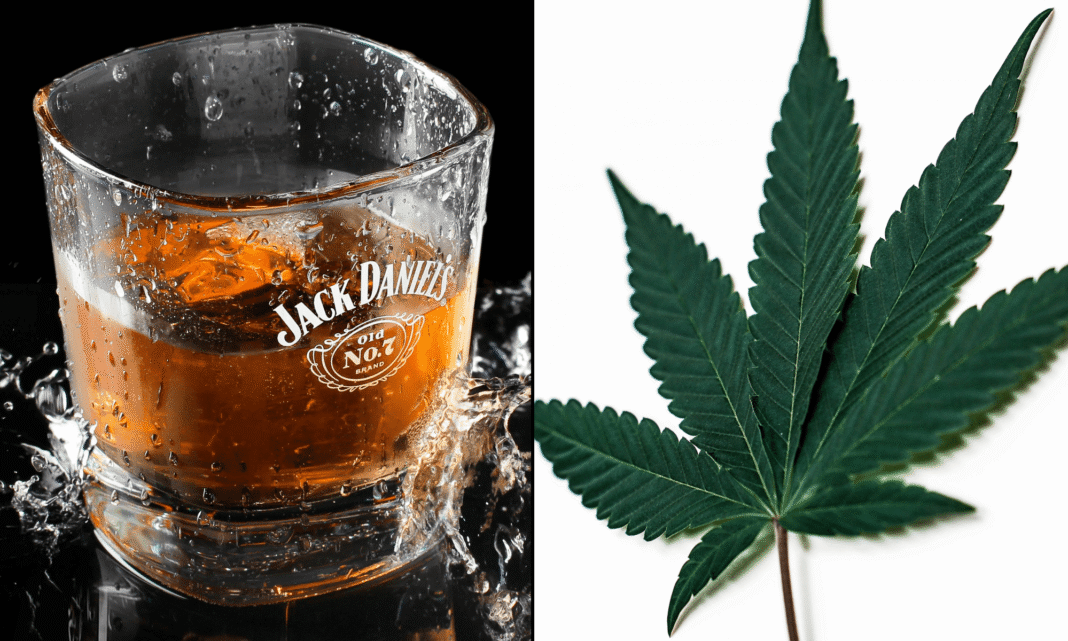

A new study funded by the government concluded that state agencies responsible for marijuana regulation are more concerned with public health than those in charge of alcohol.
In their study, the University of Maryland-affiliated authors concluded that cannabis regulatory agencies perform better than alcohol regulatory organizations in terms of public health policies, goals and activities.
The researchers examined recent state annual reports in the 24 states that will allow adult cannabis use by 2025. Researchers compared cannabis and liquor regulatory agencies’ goals, collaboration with public health agencies and activities to improve safety.
According to this analysis, only 35% of alcohol regulatory agencies mention public health in their mission statements.
As some campaigns to legalize recreational cannabis swept through state ballots over the last decade, “regulate marijuana like alcohol” was a common refrain—but the new study suggests that in practice, marijuana is now being regulated more robustly than alcohol when it comes to key public health measures.
They also noted that the way marijuana was legalized in each state had a different effect on outcomes.
The authors wrote: “Compared with states that legalized the use of adult cannabis via ballot initiatives, those that legalized it through their legislature reported more public-health indicators both for cannabis and alcohol regulators.”
This paper notes also that, while initial laws legalizing adult use cannabis were enacted by voter initiatives in the first wave, more recent states have legalized cannabis through state legislation and their cannabis regulators have reported on an increased number of public health cannabis issues.
Researchers affiliated with University of Maryland’s Department of Criminology and Criminal Justice concluded that, despite the legalization method, “adult-use marijuana regulatory agencies” reported public health metrics more frequently, while the alcohol regulators reported law enforcement more than cannabis regulators.
The California Department of Cannabis Control funded the study. It was then published by International Journal of Drug Policy in its December 2025 issue.
They caution that more research would help to understand the differences in state regulation. They wrote that “more research is required to determine whether the public health actions reported by cannabis authorities translate into tangible benefits for public health among cannabis users and affected populations.”
Members of Congress are working together across party lines to get the federal government ready to regulate marijuana as it does alcohol. The House has introduced a bill which would require the attorney general create a committee to make recommendations about a system of cannabis regulation that mimics what alcohol is currently regulated.
It also comes at a time when a coalition of leading alcohol industry groups successfully urged Congress to impose a ban on intoxicating hemp products—though they said they would ultimately like federal officials develop a comprehensive regulatory framework for the products.
This study is also a follow-up to a GOP senator’s June statement that marijuana opponents “have lost” in their battle to keep prohibition alive. He said that lawmakers should address this fact by creating a framework that would treat cannabis the same as they do alcohol and cigarettes, so states could set up their own policies free of federal interference.
Sponsored Content
This informative article is brought to you by NUBO CBD →