







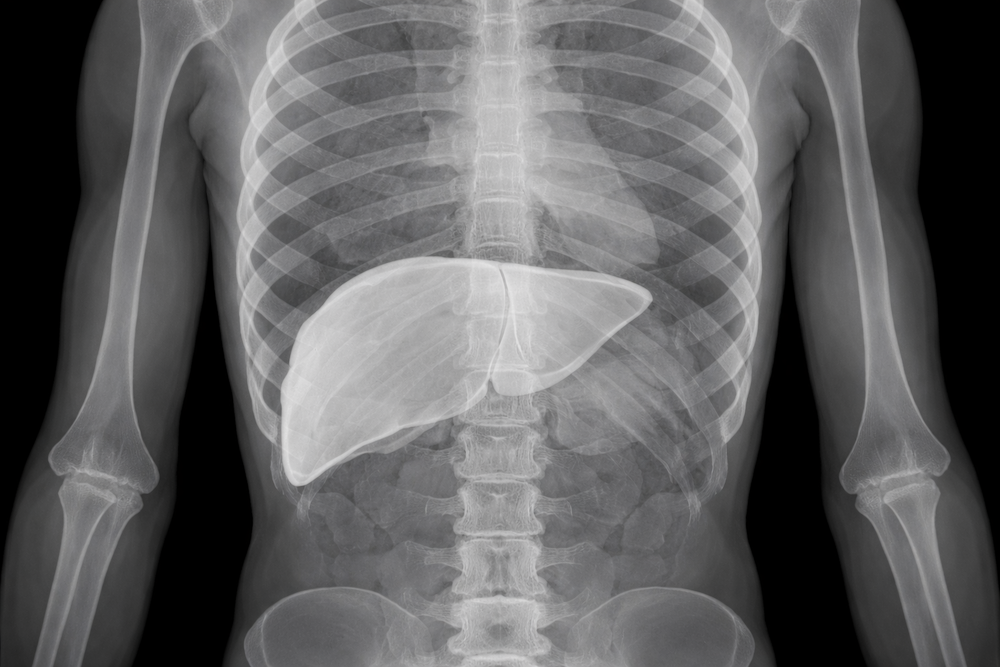

The Hebrew University of Jerusalem has conducted a new study that suggests two cannabinoids derived from hemp could be used to treat the world’s commonest chronic liver condition.
In a study published in British Journal of Pharmacology it was found that CBG (cannabigerol) and CBD (cannabidiol), both significantly reduce liver fat in lab models and improve the metabolism of sugars and fats.
The findings could signal a potential new pathway for treating metabolic dysfunction-associated steatotic liver disease (MASLD), according to the researchers. The study “opens a new way to explore plant-based molecules which influence the management of energy and waste by cells,” says Joseph Tam, the leader of the Hebrew University of Jerusalem research team.
These findings are part of a larger body of work that examines non-intoxicating cannabis and its possible medical and health applications. Researchers stressed the need for further clinical studies to confirm whether these treatments can be used on humans.
What is good or bad?
These results add another dimension to a debate that has been ongoing for some time, since health regulators from the United States of America and Europe warned CBD could pose a safety risk. You can also find out more about the risks of using this website. The liver
The U.S. Food and Drug Administration’s (FDA) review and other clinical studies have shown elevated liver enzyme levels among some CBD-taking patients, while European Food Safety Authority has stated that the safety of the compound as a food additive is still unresolved. EFSA set a new daily CBD intake standard of 2 milligrams, which is too low for most CBD products to produce any significant effect.
Hemp as a source
Cannabinoids CBD and CBG occur in naturally occurring concentrations throughout the cannabis plant, although they are usually found at higher levels in plants with low THC. industrial hemp varieties Specific breeds are bred for the production of compounds.
CBD, the non-intoxicating compound in cannabis most studied by scientists, is also considered to be a precursor of CBD and cannabinoids. Unlike THC (tetrahydrocannabinol), the psychoactive compound found in high concentrations in marijuana, neither CBD nor CBG produces intoxicating effects. Plant breeding and timing of harvest can increase both.
As researchers search for cannabis components other than THC, their interest has increased.
MASLD
MASLDAbout one-third adults in the world suffer from non-alcoholic liver disease. This condition is strongly linked with obesity and insulin resistance. There are few medicines approved to treat the condition.
You can also find out more about the following: the Israeli studyThe researchers discovered that CBD and CBG gave the liver extra energy, and helped it to eliminate harmful fats. CBG was found to have a strong effect on the liver, which included lowering cholesterol, reducing fat mass, and improving insulin resistance.
The Evidence Gap
Although the authors noted that there were promising signs, they stressed the fact that this research was still in its preliminary stages.
The findings come at a time when pharmaceutical companies are expanding tests with cannabis-derived compounds as potential drug candidates – but also as broader reviews of cannabis research have revealed significant gaps between public perception and scientific evidence for many medical uses.
An extensive analysis, published in the Journal of the American Medical Association 2025, reviewed over 2,500 medical marijuana studies including systematic reviews and clinical trials. The research is part of a larger debate on the evidence for cannabinoids, which goes beyond those approved medical treatments.
The FDA approved Epidiolex as a medical grade CBD product to treat severe seizures in children. Other cannabinoid drugs are used for chemotherapy side effects and appetite loss among HIV/AIDS sufferers.
Sponsored Content
This informative article is brought to you by NUBO CBD →