







Brazil’s Health Regulator has started a technical consultation in order to collect scientific evidence about industrial hemp cultivation. This is a small but significant sign that the regulatory process may be moving forward after years of delays.
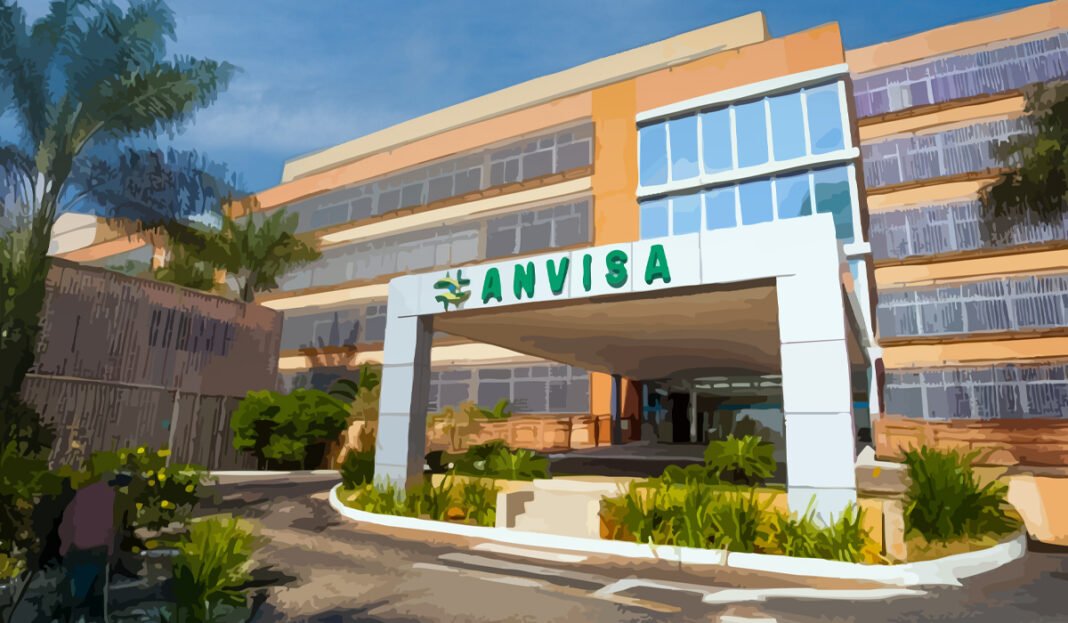
Anvisa, the National Health Surveillance Agency is currently accepting studies about industrial hemp cultivation until December 12. This research will be used to develop the technical foundation for a Brazilian hemp regulation.
The initiative’s focus is strictly on gathering evidence. Anvisa doesn’t provide any funding or incentives to participants, nor does it evaluate their participation. Anvisa is assembling the existing scientific literature, gathered from research repositories and journals as a basis for future regulation.
Basic basis
Anvisa will organize and review the studies submitted. The Anvisa agency plans to publish the findings in a public report. This will act as ‘the scientific basis of any future hemp-growing rules.
It follows a period of several years during which the process was repeatedly delayed. Most recently, federal authorities blamed the complex nature of the rulemaking and the requirement for further technical analysis.
Regulators are rebuilding administrative records after many years of stalled attempts.
The Brazilian Superior Court of Justice confirmed in a ruling from last year that Anvisa, the Federal government and industrial hemp are all authorized to control cultivation of Cannabis for medical and pharmaceutical uses. In reality, this regulatory system is more applicable to hemp that does not intoxicate than marijuana. However, hemp is not recognised for its non-medical uses.
The scope of the study
Anvisa will accept published articles in Portuguese or English. The areas of interest are cannabinoid profiling, THC/CBD testing methods, agronomy/climate zoning, hemp traits and genetics, as well as traceability and quality control.
In the absence of an established licensing system, Brazil is still debating whether it’s willing to encourage domestic hemp production.
Embrapa role
Anvisa recently granted Embrapa (Brazil’s agricultural research agency) an exception authorization for industrial hemp cultivation.
Embrapa can grow hemp under the authority of this authorization. However, strict safety, security and traceability standards and on-site checks are required. Any material that is derived as a result of the research cannot be commercialized. Transferring plant material that is not propagable to authorized institutions for research purposes is prohibited.
The approval places Embrapa in a position of being a major technical contributor for future hemp regulations.
Limitations on legal action
In spite of court rulings on the matter and renewed regulatory activities, Brazil’s commercial cultivation remains illegal, even for uses such as fiber, grain and seed-based products.
It is not possible to commercially grow hemp in the United States at this time. The importation of hemp-derived goods is permitted only under certain conditions. Cultivation, however, can be done on a strictly controlled, research basis, pending formal regulation.
Anvisa’s current process doesn’t establish a regulatory timeline, and it does not address policy issues such as THC levels, licensing models or rules for commercial production. Instead, it signals an incremental approach — reinforcing the scientific and legal foundation for hemp-specific regulation before advancing to formal authorization.
Sponsored Content
This informative article is brought to you by NUBO CBD →