







Arguments over the best strains of marijuana are a tradition that dates back centuries. The quest to prove that your strain is the best among the many cannabis varieties available today can be a subjective experience, even when you are in good company. Fun, but still subjective. It’s a completely different conversation to discuss which cannabis varieties are essential for a comprehensive survey of the long and strange history of this plant.
There are many worthy candidates, but telling the history of marijuana through a few of its most important specimens can be a difficult task that yields obvious results. If your favorite strain does not appear in the list below, there is a good chance that it is genetically related, a forebearer or an offspring of the strain you cherish most.
Thus, consider these selections a series of strain stepping stones that collectively offer a brief but pertinent overview of just far cannabis has come — and where it may be headed next.
Panama Red
Landrace strains were the only cannabis that consumers smoked before cultivators started breeding new crosses. These strains were named after the geographical area where they naturally grew. This is how Panama Red was born. This classic strain is a pure Sativa. It became a household brand for marijuana fans in the U.S. by the end of the 1960s. This strain is known for its long flowering period (often over 11 weeks). The desire to combine landrace strains and cannabis from Afghanistan or other climates that have shorter flowering periods led to a crossbreeding movement.
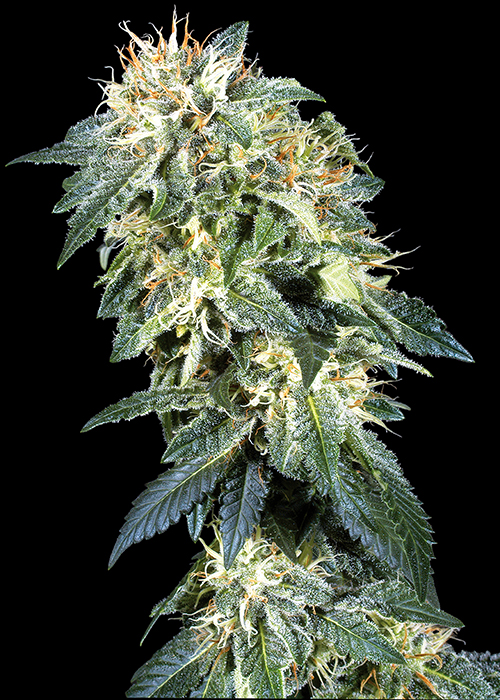
Northern Lights
Northern Lights is a must-have hybrid. Northern Lights, a cross of several Afghani landrace strains revered for their potency and rapid, abundant yield, is a hybrid. Northern Lights #5 was bred with genetics derived from a Thai landrace Sativa. The added fruity flavor and cerebral high resulted from this. Reaching its peak of popularity in the early 90s, Northern Lights — and the #5 varietal specifically — is renowned as a sturdy, reliable strain that would also feature prominently in the next phase of the cannabis story, wherein hybrids were at last crossed with one another. The sky was the limit.
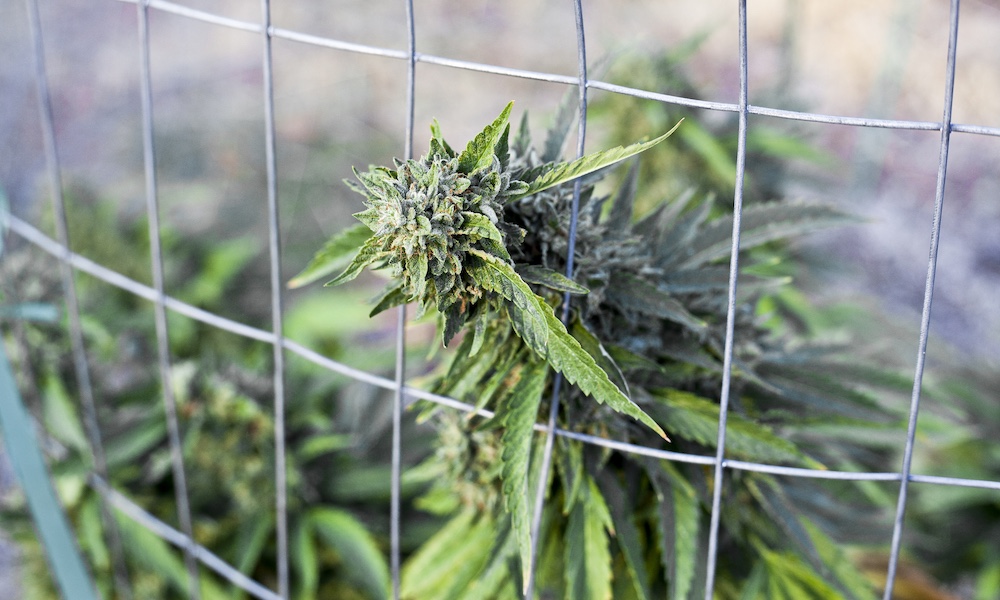
OG Kush
It’s no surprise that the West Coast is often used as a setting for cannabis stories. California’s Emerald Triangle, along with other important neighboring states, like Oregon and Washington played a major role in the development of cannabis. OG Kush is perhaps the best strain to illustrate this journey. Its lineage is shrouded forever in mystery, but those who want to know the truth say that it’s a cutting that was smuggled back and forth from Florida to the West Coast. In the lyrics of many classic raps, and still referred to today as a titan in the field, we can thank a Los Angeles cultivator known as Josh D. for the hybrid frenzy which has never really subsided.
White Widow
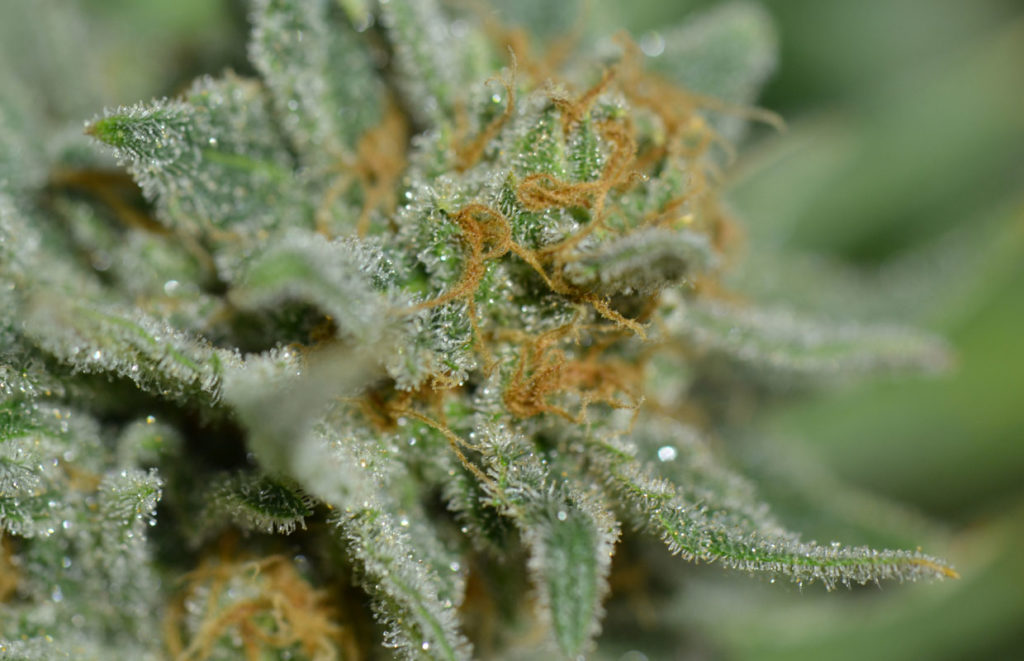
White Widow, a popular hybrid from the ’90s, is a close competitor to OG Kush. This Dutch heavyweight is named for its buds, which are laden with crystal and white resin. There is no venom, but a potent high is almost guaranteed. White Widow is a Dutch coffee shop staple that was derived from a cross of South Indian sativa and Brazilian indica landraces. Furthermore, the desirable effects of White Widow — often described as a mix of euphoria and energy — makes it no surprise that this strain would soon be utilized to create a host of popular offspring strains, including White Russian and Blue Widow.
Gelato
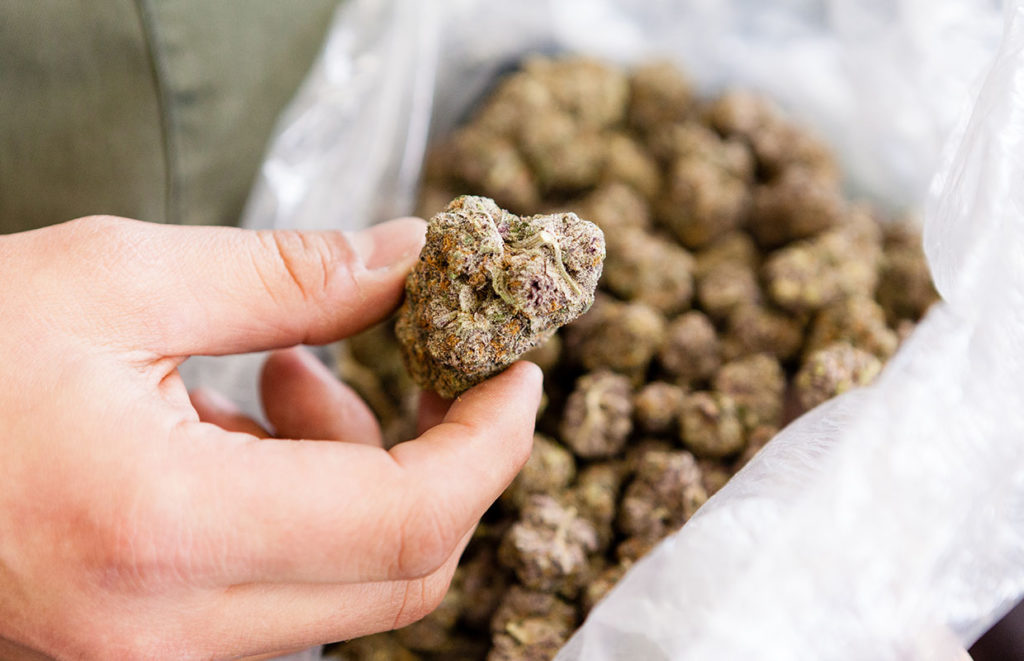
Gelato is the perfect balance of a hybrid that embodies the history of cannabis on the West Coast. Having gone through multiple incarnations, all courtesy of San Francisco’s Cookie Farm Genetics — led by famed cannabis breeders Mr. Sherbinski and Jigga — phenotype #33 is affectionately (if unofficially) nicknamed “Larry Bird” in reference to the famed Celtics basketball player’s jersey number. Gelato was a cross between the famous Girl Scout Cookies Thin Mint and the deliciously fruity Sunset Sherbert indica. Gelato played a major role in making the Bay Area a center for innovation in cannabis strains. This modern marvel is still popular today. The number of strains that are indebted to it for their recognition is simply too many to list.
What’s next? It’s as easy as visiting your local dispensary. The strain game is constantly evolving, and new strains are being introduced almost every day. This makes the above list a good starting point for cannabis enthusiasts who want to experience the full magic of cannabis.
Sponsored Content
This informative article is brought to you by NUBO CBD →