




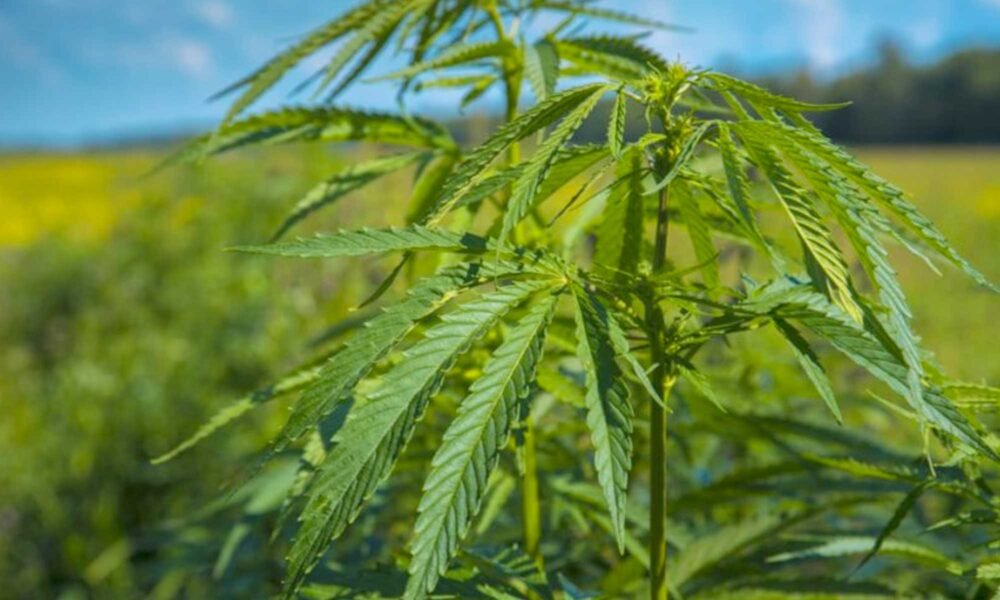

The benefits of hemp are largely ignored by mainstream markets, right from the tiny seeds to the hardy stalks.
Hemp makes a great crop because it is low-maintenance, replenishes soil nutrients, and harvests quickly. Hemp products contain only trace amounts of THC if any at all, and will not cause a positive drug test result or any intoxication.
Increasing consumer demand for hemp products is more important now than ever, as our planet’s resources face exponential stress, but knowing where to begin can be a bit overwhelming. Here are six uses for this versatile plant — including how to wear it, eat it and even use it to power the world.
PHOTO Gracie Malley
Textiles & Paper
Hemp stalk fibers are durable, strong, and versatile. They can be processed to produce paper, textiles, and ropes. It is common for hemp clothes to get softer over time, and still last longer than cotton. This is due to the fiber strength. Because hemp is less harmful to the environment than synthetics or cotton, and because hemp fabrics last a long time, it would be possible for us to produce less overall clothing if we all wore hemp. Paper made from hemp is “tree-free,” meaning it does not contribute to further deforestation of our planet, and can be processed into results that are nearly identical to traditional paper.
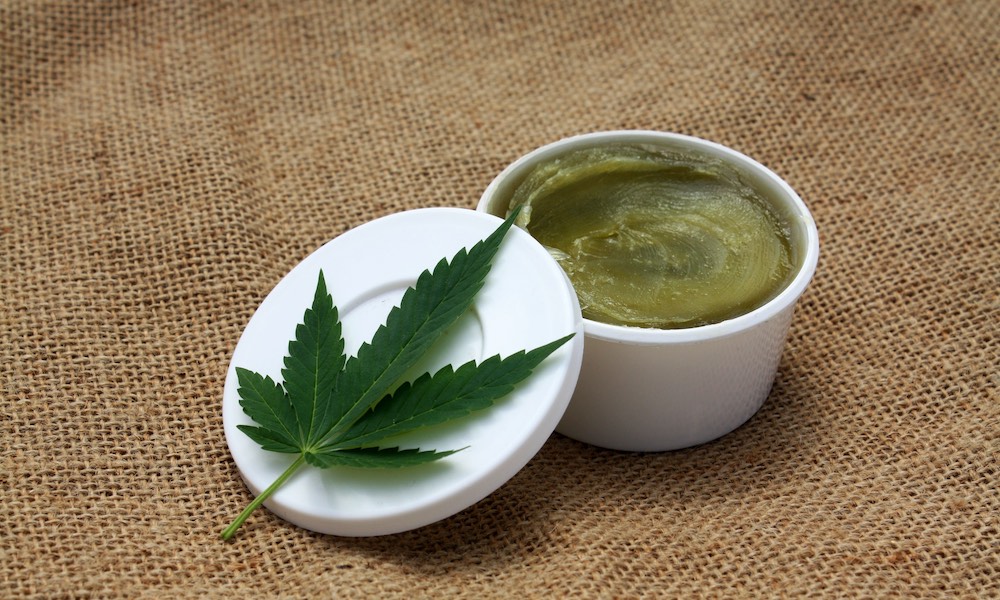
PHOTO SANGRIA
Skincare & Soap
Hemp-based lotions and soaps are available all over the world. The benefits to your skin are numerous. By using the cold press method of extraction, hemp seed oils retain minerals, vitamins and amino acids. They can also alleviate dry skin or dermatitis. It’s also non-comedogenic, so it won’t clog up your pores. Hemp seed oils cleansers remove dirt, excess oil and toxins from the skin leaving it supple and clean. Hemp oil is also a common ingredient in natural soaps because of its cleansing qualities. It removes dirt without removing the dyes from fibers.

PHOTO Art Du Chanvre
Rent
Grow your own home with hemp — no, really! Hemp can be processed and grown into building products that are a great alternative to plywood, traditional insulation and drywall, and glues and sealants. After harvest, hemp stalks undergo a destitcation process, and their fibers are concentrated to a pulp. Lime and water are then added, creating hempcrete. Hempcrete has a natural resistance to fire, mold and pests. Hempcrete is also able to remove over 220 pounds carbon per cubic meter. The material is carbon negative, making it a perfect choice for any eco-conscious builder. Anyone who loves a cozy home and enjoys noise insulation will also love hemp housing.

PHOTO Joe DeSousa
Fuel
Hemp is processed into biodiesel or bioethanol. Hemp seeds can be used to make biodiesel, which will extend a diesel engine’s life with better lubrication than petroleum diesel fuel, and the remainder of the plant can be processed into bioethanol Hemp biofuels provide alternatives to the current dependence on fossil fuels, emit less ozone-damaging pollutants both in production and use and can be grown quickly with significantly fewer costs than corn.
Hemp Eyewear PHOTO
Plastic
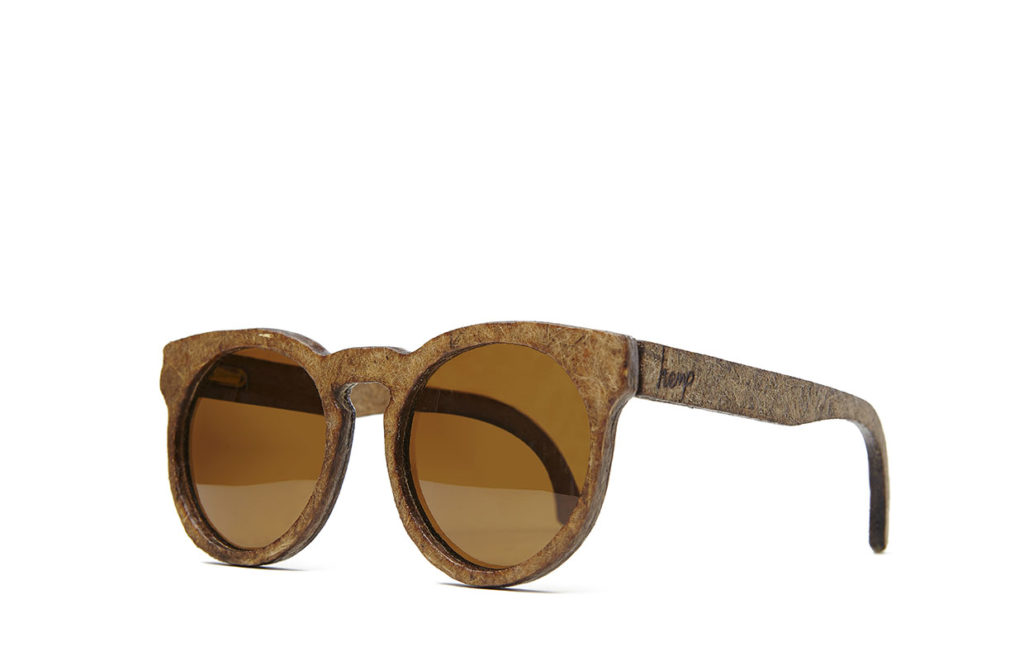
Hemp plastic is a great alternative to plastic. The traditional plastic can take hundreds of years for it to breakdown. Hemp plastic is safe for disposal, but traditional plastic may release toxic chemicals. The production of hemp plastic on a mass scale is still hampered by the fact that it’s more expensive and difficult to make than plastic made from petroleum. Few companies, however, are leading the way in developing hemp-based plastics and the outlook is positive.
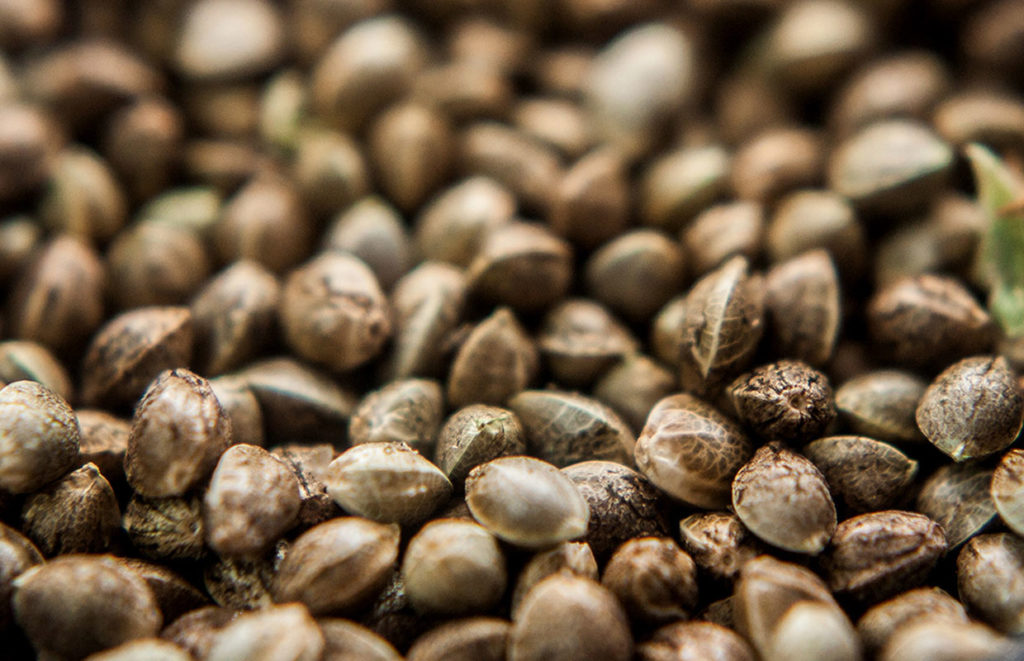
PHOTO Prensa 420
Protein
Hemp seeds are powerful little things. Oil from hemp seeds is a rich source of Omega-3s and Omega-6s. Each serving of hemp seeds contains fiber, which is good for the digestive tract. They are also an affordable and nutritious feed for animals. Use hemp seeds as a topping for salads or as a blend in veggie burger patties. Or, add hemp powder to protein shakes or smoothies and reap the hemp benefits without spending a fortune.
Cannabis Now was originally published as a print magazine.
Sponsored Content
This informative article is brought to you by NUBO CBD →