







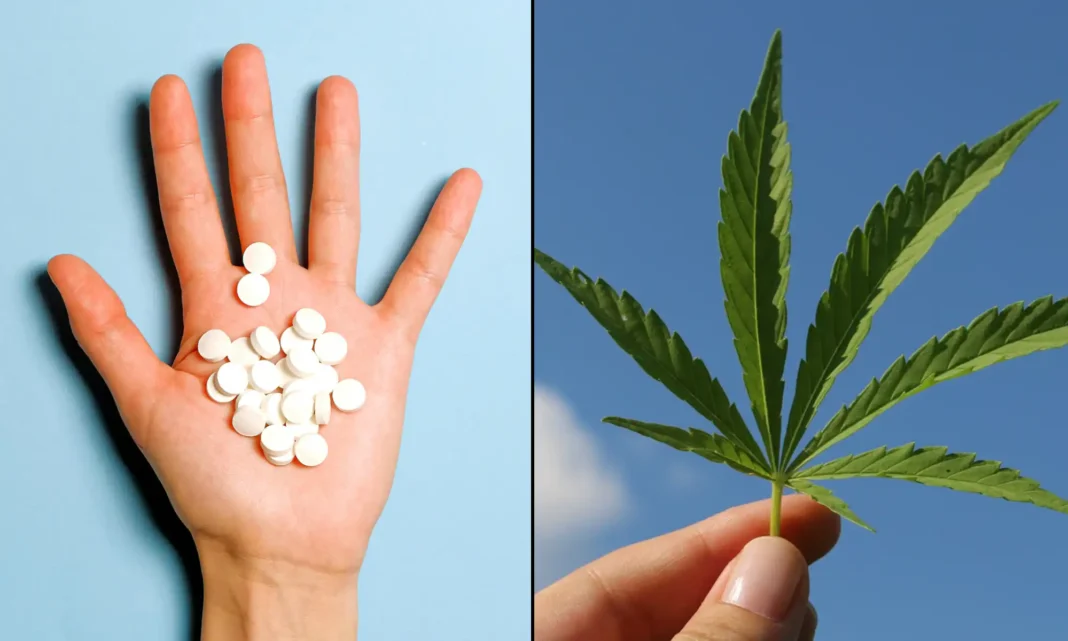

A new study found that people who suffer from chronic lower back discomfort and don’t respond to opioids or other traditional treatments see “large, sustained improvements with statistically significant results” after switching to cannabis inhaled.
Researchers from Rabin Medical Centre in Israel examined longitudinal data of 241 patients who had lower back pain that was resistant to treatment from 2020 until 2025.
The study published in Biomedicines found that cannabis not only “markedly” and “durably” improved pain symptoms but also “nearly completely replaced opioids and NSAIDs as well as antidepressants, gabapentinoids, and other drugs.”
Authors said that they decided to study the effectiveness of inhaled marijuana or vaporized cannabis “because its rapid onset and on-demand titratability as well as patient preference.”
THC levels in cannabis samples used for the study varied from 4-22 per cent, while CBD content ranged between 2-22percent.
The inhaled cannabis caused a large, sustained and statistically robust improvement in pain, disability and pain interference. It was accompanied with a near-total replacement of opioids.
“The within-patient benefit-risk profile…supports consideration of cannabis as a potentially clinically meaningful, opioid-sparing option in patients who have failed multimodal conventional therapy, pending confirmation in randomized comparative trials,” the study concluded.
Researchers said that while the research was promising, it should be “followed up by randomized comparative studies of inhaled marijuana versus multimodal therapy to ensure that causal claims can be made.”
They said that “in the absence of these studies, and until such confirmation is made, this data supports consideration of inhaled Cannabis as an option potentially clinically significant, which can be used to reduce opioid intake for patients after conventional multimodal treatment has failed.”
In Year 5, the proportion of patients who used opioids concurrently fell from 100 percent at baseline to 4,6% (absolute risk reduction 95,4 %).”
This is far from the only study supporting the efficacy of marijuana in the treatment of pain—nor is it the first to suggest cannabis can serve as a substitute for conventional therapies such as opioids.
An April study, for example found that people who use medical marijuana appear to reduce their other prescription medications such as sleeping pills, antidepressants, and opioids. A study of more than 3,500 people found that patients who switched from prescription medication to cannabis experienced far fewer adverse side effects.
About one in three Americans who use CBD say they take it as an alternative or supplement to at least one medication—particularly painkillers—according to a federally funded study published in February.
Similarly, another recent federally funded study, published by the American Medical Association (AMA), added more evidence that marijuana can serve as an effective substitute for opioids in chronic pain treatment.
Other AMA-published research has found that legalizing marijuana for medical or recreational purposes is “significantly associated with reduced opioid use among patients diagnosed with cancer.”
Another paper, published in the same year, found that legalizing medical marijuana is also “associated with significant decreases in opioid prescriptions.”
In August, meanwhile, Australian researchers published a study showing that marijuana can serve as an effective substitute for opioids in pain management treatment.
Another study published last year in the journal Drug and Alcohol Review found that, among drug users who experience chronic pain, daily cannabis use was linked to a higher likelihood of quitting the use of opioids—especially among men.
Other research also found that legalizing medical cannabis appeared to significantly reduce monetary payments from opioid manufacturers to doctors who specialize in pain, with authors finding “evidence that this decrease is due to medical marijuana becoming available as a substitute” for prescription painkillers.
Additional research showed that the number of fatal opioid overdoses declined in areas where adult marijuana use was legalized. That study found a “consistent negative relationship” between legalization and fatal overdoses, with more significant effects in states that legalized cannabis earlier in the opioid crisis. According to the authors, recreational marijuana legalization is “associated with an approximate 3.5 death reduction per 100,000 persons.”
This report stated that “our findings suggest that broader access to recreational marijuana could help combat the opioid epidemic.” Previous research has shown that marijuana, primarily used for medical purposes, can help reduce the number of opioid prescriptions. We also found it could reduce overdose deaths.
Another recently published report into prescription opioid use in Utah following the state’s legalization of medical marijuana found that the availability of legal cannabis both reduced opioid use by patients with chronic pain and helped drive down prescription overdose deaths statewide. The study concluded that cannabis has an important role in the management of pain and reduction of opioid usage.
Sponsored Content
This informative article is brought to you by NUBO CBD →