







Medical cannabis once again found itself at the centre of the UK mainstream media’s attention this week, following a troubling coroner’s finding that a prescription ‘contributed to’ a patient’s death. This is believed to be the first fatality in which medical cannabis has been cited directly as a cause.
In the days to come, we will explore in more detail the questions raised by this terrible case, including the status of medical cannabis in the UK and the safety and protection provided for all patients.
In the context of this increased scrutiny, this past week two distinct developments highlighted that patient protection must be a priority.
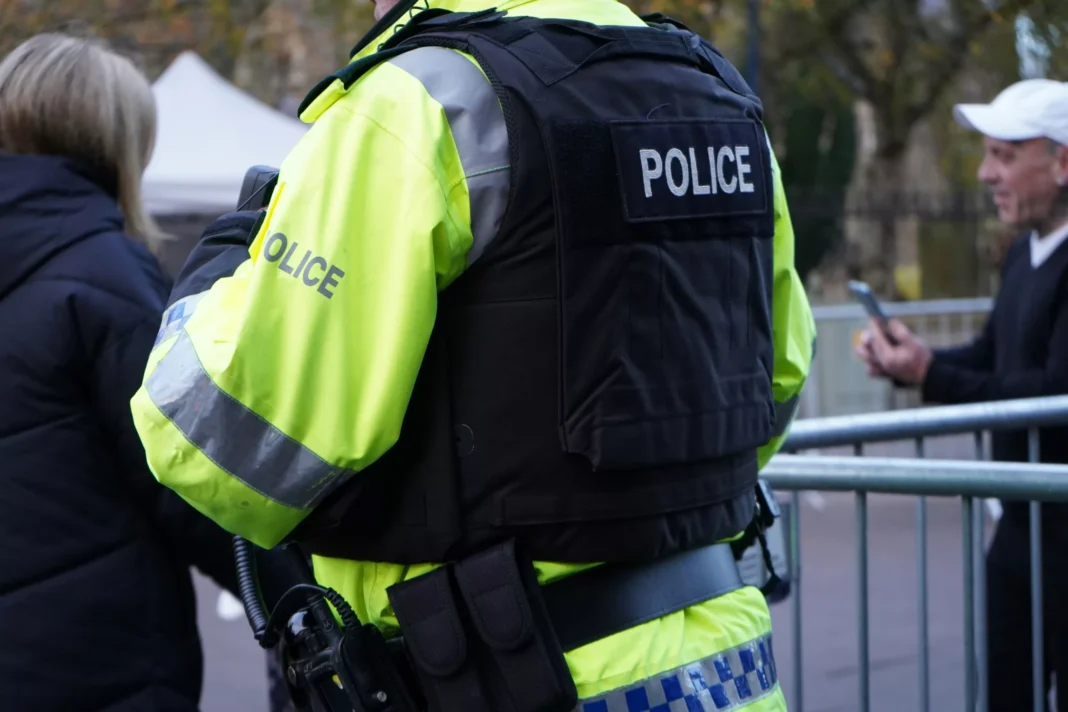
Last month we told you that the UK had published its first official guide for police officers when they encounter medical marijuana. The College of Policing has made this information publicly available on its website. However, a promise to provide national training is not included.
The private sector, in the same vein, has built its own safety mechanisms despite the NHS’s lack of support.
The infrastructure that is meant to help the UK’s tens of thousands of medical cannabis patients, remains fragmented. It relies on private sector initiative and voluntary guidance, rather than government-sponsored support.
Police Guidance Progress
Richard List, the retired Detective Chief Superintendent who authored the guidance for the Association of Police Controlled Drug Liaison Officers (APCDLO), confirmed this week that ‘according to the College, there are no plans to introduce a training programme for police officers and staff.’
Lack of centralised drug training will require individual initiatives from the police and the APCDLO’s controlled drugs liaison officer network.
List acknowledged the challenge: “The big challenge remains, influencing the ‘hearts and minds’ of both street cops and police management.”
List, who says he has no official training in place, is exploring alternatives, which include short video clips that could be disseminated through the APCDLO.
The APCDLO has a brand new leader, Surrey Police Chief Constable Tim DeMeyer. According to List, having a Chief Constable in the role ‘will bring added clout and influence to the medicinal cannabis debate.’
The industry launches patient support service
Auravia Medical – a newly opened clinic – became the first in this week to become partnered with Patient Protect. Patient Protect is an advocacy and legal service that was created by Robert Jappie from law firm Fieldfisher along with Alex Fraser who works as Patient Access Lead for GROW Group UK.
Patients can receive legal assistance when confronted with challenges relating to prescriptions from the police, their employers or any other authority. This service is a reflection of the growing recognition in industry that official guidelines alone might not be enough to protect patients during real-world interactions.
“At Auravia, our vision is simple: ‘Your health can’t wait'”, Dr Arun Bhaskar, lead consultant for pain at the clinic, said in a press release.
This comes only weeks after Releaf, a UK clinic launched a service similar to this. Releaf Protect is an on-demand 24/7 service from Irwin Mitchell that offers independent advice tailored to the patient’s situation. The service includes nine areas where patients face common challenges. These include employment disputes, housing concerns, traffic stop cases and family court matters.
Releaf CEO Tim Kirby stated that “despite the fact that medical cannabis is legal in UK since several years now, patients still have to explain the law at times which can be intimidating or stressful.”
Accomplishing the NHS Gap
Auravia’s launch includes what it describes as the UK’s first ‘Waitlist Scheme’, offering patients on NHS waiting lists reduced clinic fees (£30 for six months) and priority booking while they wait for NHS appointments that may never materialise.
To access the NHS Referral Letter Scheme, patients need to share only their NHS referral letters.
This clinic also launched the Grow Access Project with new terms, including 10% discount on all cannabis medications (when prescriptions sent to Pharmacy Space), and reduced fees for UK veterans, students at university, Blue Light Card Holders, patients receiving benefits.
The NHS is also planning to offer ADHD diagnostic and treatment services in the areas that are currently experiencing access problems due to long waiting lists.
Sponsored Content
This informative article is brought to you by NUBO CBD →
Medical cannabis once again found itself at the centre of the UK mainstream media’s attention this week, following a troubling coroner’s finding that a prescription ‘contributed to’ a patient’s death. This is believed to be the first fatality in which medical cannabis has been directly mentioned since it was legalized in 2018.
In the days to come, we will explore in more detail the questions raised by this terrible case, including the status of medical cannabis in the UK and the safety and protection provided for all patients.
Two separate events this week, both taking place in the context of increased scrutiny and scrutiny of patients’ rights, highlight that patient safety must be a priority.
As we announced last month, UK police have recently received their first official guidelines when dealing with medical cannabis. The College of Policing has made this information publicly available on its website. However, a promise to provide national training is not included.
The private sector, in the same vein, has built its own safety mechanisms despite the NHS’s lack of support.
The infrastructure that is meant to help the UK’s tens of thousands of medical cannabis patients, remains fragmented. It relies on private sector initiative and voluntary guidance, rather than government-sponsored support.
Advances in police guidance
Richard List, the retired Detective Chief Superintendent who authored the guidance for the Association of Police Controlled Drug Liaison Officers (APCDLO), confirmed this week that ‘according to the College, there are no plans to introduce a training programme for police officers and staff.’
Due to the lack of a centralised training program, implementation is dependent on initiatives by individual forces and the APCDLO network of controlled drug liaison officers.
List acknowledged the challenge: “The big challenge remains, influencing the ‘hearts and minds’ of both street cops and police management.”
List, who says he has no official training in place, is exploring alternatives, which include short videos, that could potentially be distributed via the APCDLO.
The APCDLO has a brand new leader, Surrey Police Chief Constable Tim DeMeyer. According to List, having a Chief Constable in the role ‘will bring added clout and influence to the medicinal cannabis debate.’
New patient-support services launched by industry
Auravia Medical – a newly opened clinic – became the first in this week to become partnered with Patient Protect. Patient Protect is an advocacy and legal service that was created by Robert Jappie from law firm Fieldfisher along with Alex Fraser who works as Patient Access Lead for GROW Group UK.
Patient Protect offers legal help to patients who are confronted by police or employers over prescriptions. This service is a reflection of the growing recognition in industry that official guidelines alone might not be enough to protect patients during real-world interactions.
“At Auravia, our vision is simple: ‘Your health can’t wait'”, Dr Arun Bhaskar, lead consultant for pain at the clinic, said in a press release.
This comes only weeks after Releaf, a UK clinic launched a service similar to this. Releaf Protect is an on-demand 24/7 service from Irwin Mitchell that offers independent advice tailored to the patient’s situation. The service includes nine areas where patients face common challenges. These include employment disputes, housing concerns, traffic stop cases and family court matters.
Releaf CEO Tim Kirby stated that “Medical Cannabis has been legalized in the UK since several years. Yet patients still have to explain the law at times which can be intimidating or stressful.”
How to address the NHS gap
Auravia’s launch includes what it describes as the UK’s first ‘Waitlist Scheme’, offering patients on NHS waiting lists reduced clinic fees (£30 for six months) and priority booking while they wait for NHS appointments that may never materialise.
To access the NHS Referral Letter Scheme, patients need to share only their NHS referral letters.
It has also announced the relaunch of Grow Access Project, with better terms. These include 10% off on all cannabis-based medication (when prescriptions for these medications are sent directly to Pharmacy Space) and reduced fees for UK veterans, students at university, patients receiving government benefits and holders of Blue Light Cards.
The NHS is also planning to offer ADHD diagnostic and treatment services in the areas that are currently experiencing access problems due to long waiting lists.
Sponsored Content
This informative article is brought to you by NUBO CBD →
Cannabis Law Resources for Poland
Browse essential legal pages on cannabis sales and cultivation in Poland. These guides will help you understand the legal requirements, such as certifications and permissions.
-
Polish News Registration and Interests of Cannabis Businesses
-
Permissions for Cannabis Sales in Poland
-
Authorization for Importing or Manufacturing Medical Products
-
Permission for Manufacturing or Importing Medical Products
-
Certificate of Good Manufacturing Practices (GMP)
-
Registration of Medical Products in Poland