






Oklahoma’s Cannabis Cautionary Tale – From Gold Rush To Crackdown
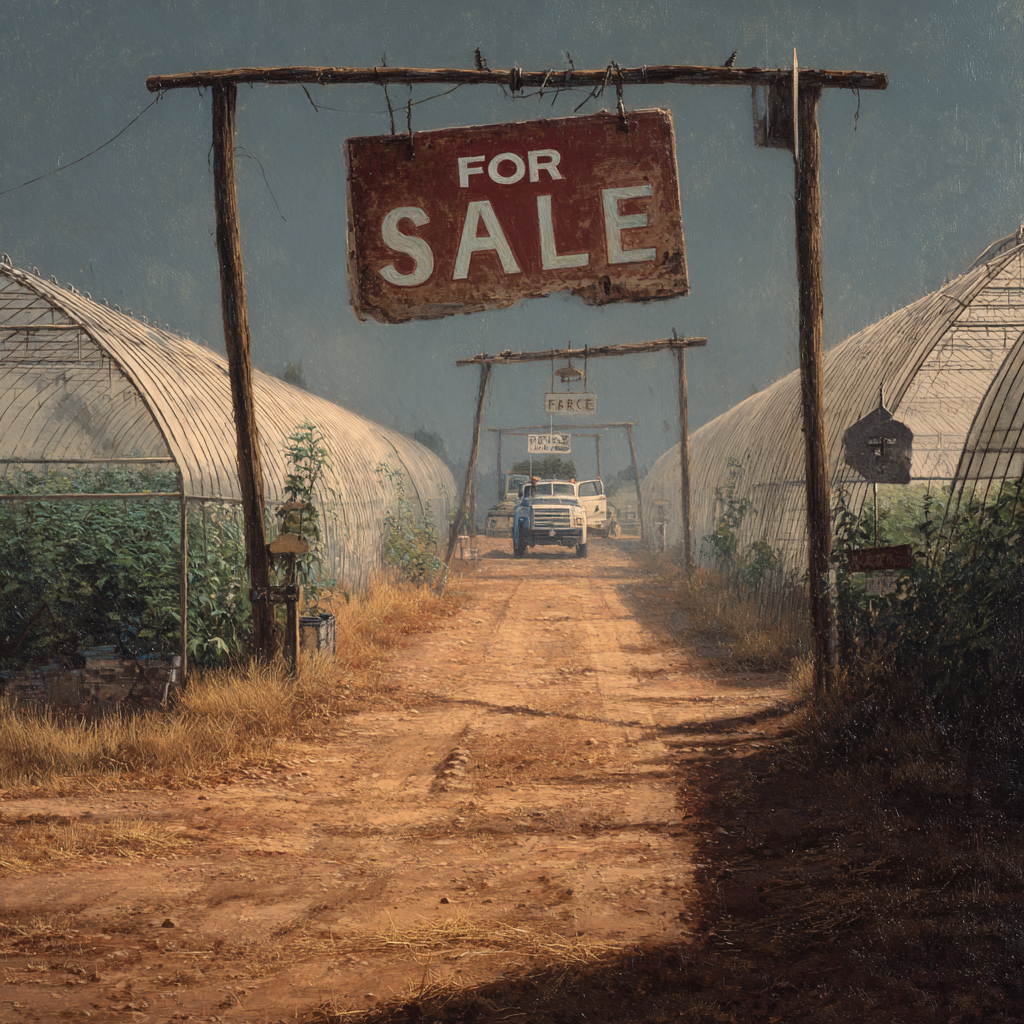
Oklahoma once was the hot cannabis story of America. It had low barriers to entry, no caps on licenses, very affordable fees, and easy access for patients after legalization. In just a few short years, the number of licenses had exploded to five figures. Production dwarfed demand in Oklahoma, while prices plummeted. Now, the state is living with the hangover—market contraction, aggressive enforcement, and a bruised reputation.
The boom that sowed bust
With lenient rules and cheap land, Oklahoma invited thousands of small growers and retailers—peaking around 14,000 licenses at the height. The state then produced more than its residents could consume, and wholesale prices fell. This attracted opportunists to take advantage of the situation. Since then, licenses are down to a quarter of their peak level as regulators tighten up and the market corrects itself.
The foreign money straw owners and the high profile violence
In the face of shrinking profits, investigators report that criminal networks have slipped into the market, utilizing straw ownership in order to circumvent residency regulations. The issue became national news after the 2022 quadruple murder at a Kingfisher County grow—an operation later revealed to be fraudulently licensed. In 2024, the gunman was convicted and sentenced to life in prison without parole. This cemented public perceptions of the cannabis industry as dangerous.
Whistle blows in the political and law enforcement arena
The voters in the deep red state of Oklahoma rejected legalization for adult-use in March 2023. This was an early indication that they were not happy with what had been happening in their medical program. Since then, the governor, attorney general and the Oklahoma Bureau of Narcotics (OBN) have leaned into enforcement, forming task forces, revoking licenses, and raiding large illegal grows—officials tout hundreds of arrests and the seizure of vast plant counts. Some call it necessary, while others see a reversal of the trend that will punish both good and bad operators.
What structurally went wrong
- Policy design: Easy qualification + no caps = risk of oversupply.
- Compliance capability: There is no way to regulate the licensing of businesses, or audit their operations.
- Economics: The free-falling price of goods and services slashed margins on mom-and pop shops, and made the gray-market more appealing. Compliance was also more costly relative to revenues.
- Trust in the public: The media and crime stories that made headlines grew the opposition. This led to a stricter political and law enforcement.
Other States can learn from the lessons of California
- The ramp licensing system with guardrails. Before the first harvest, straw farmers can be discouraged by a phased licensing window, background checks, and residence verification.
- Increase your enforcement budget to keep pace with growth. If application volume quadruples, investigative and auditing capacity must as well—or bad actors will fill the gap.
- The data-driven approach to supply management Keep production at a reasonable level by monitoring canopy and crop yields in relation to the demand within your state.
- Stabilize legal markets Taxes that are predictable, packaging and testing rules which adhere to fair standards, as well as swift penalties against diversion, help legitimate businesses survive.
- The communication that wins. The public closure of illegal growers and the support shown to businesses that comply can help rebuild trust.
Oklahoma’s story isn’t just about crime or laissez-faire policy—it’s about sequencing. When you allow access without building durable compliance or market scaffolding you run the risk of a boom, bust and crackdown cycle. Now, the state is trying to break out of this loop by reducing licenses and tightening up oversight. The real test of its success will be whether it is able to create a healthier, smaller market.
👉 The audience question If you were designing cannabis legalization in a new state, which lever would you prioritize first to avoid Oklahoma’s cycle—tight licensing, stronger enforcement capacity, production caps, or price/tax stabilization—and why?
Sponsored Content
This informative article is brought to you by NUBO CBD →