





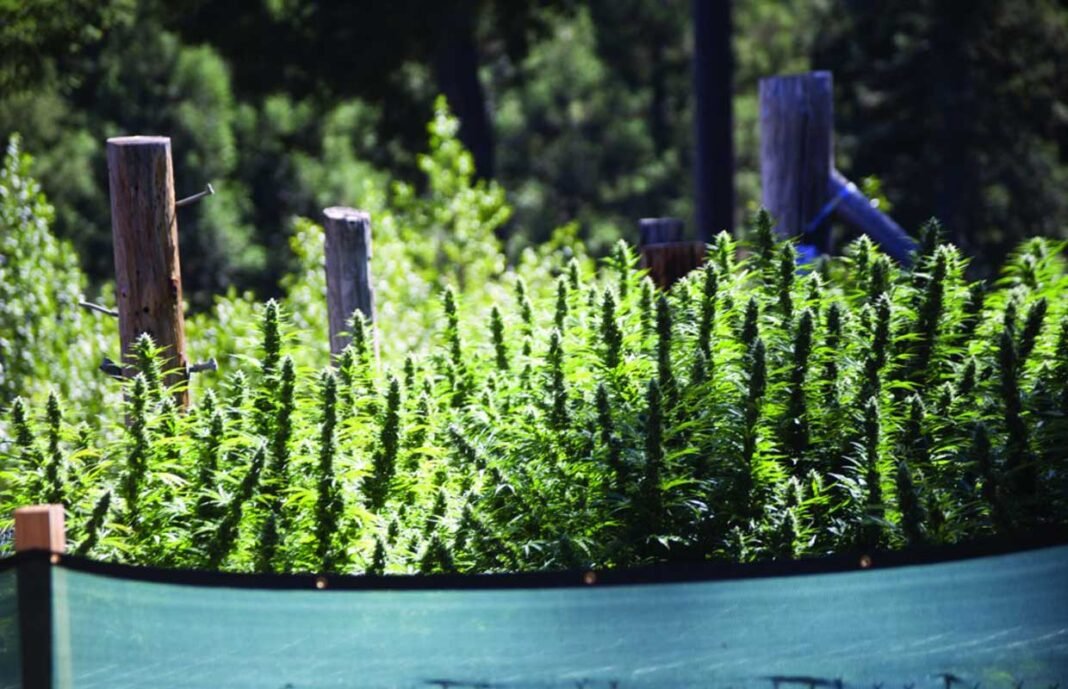

It is highly likely that problems will arise when planting outside. This may result in plants that are not at their best. Even the best cocktail of nutrient and trace chemicals can still allow a nutrient deficiency. It is possible that grasshoppers will show their green ugly heads, or the nutrients may draw unsavory guests and cause an infestation.
While there are many factors that affect outdoor growing, the main nutrient deficits will usually occur in the growth of the foliage. The most common deficiency is nitrogen. To achieve full splendor, a large leafy green plant needs an extremely high nitrogen level. A gradual yellowing at the base of leaves is the first indication. In this case, add the full amount of nitrogen in your next watering. Yellow creep is curable in just a few short days, if the tip of the leaves have not turned black or brown. Once the yellow creep reaches that stage, there is no way to fix it. The amount of nitrogen will need to be increased so that it does not damage the newer, higher leaves. Red stems, small new leaves, and slow growth are all signs of nitrogen deficiencies.
Slow and stunted development is a sign of phosphorus deficiencies. Newer leaves will appear smaller and darker than normal. A reddish color is seen on the stems, just as it would be with a nitrogen shortage. On the underside, the leaves can also turn a bright red color. The older leaves begin to die if phosphorous has not been added. Although the damaged leaves will not be healed, the progress of damage can be stopped. Leaves will turn a beautiful shade of green, and growth will increase.
It can be difficult to diagnose a potassium deficiency. The majority of time, a plant with a deficiency in potassium will appear tall and healthy. However, they could be slightly phototropic. A phototropic look and a browning on the tips of the oldest leaf are signs. Phototropic plants are those that expend all their energy in order to reach weak light sources, hence the spindly appearance. The recovery from potassium deficiencies is slow, and usually measured in weeks. Normaly, the leaves which have already browned will die. Brown spots will appear on the leaves, especially along their prominent central vein. The stems, and the underside of veins will have a purple or reddish hue. This is common with serious deficiencies. Wood ash is the most common potassium source. If your crop was deficient in potassium last year, you can add one cup to this year’s nutrient.
Also, iron, manganese (boron), zinc, and copper are deficient. Nature has included all the trace elements needed for their entire life in most outdoor mediums. It’s always good to give the plants trace elements at least twice and sometimes three times over the course of their life. The plants will not take up trace elements if they don’t need them.
Planting geraniums in your backyard or on the farm is the best way to repel pests. Common geraniums produce a chemical that is a natural pesticide. Take note. This is the geranium’s natural method of combating predators. Pests and animals will avoid the crop.
What ever growing medium is used, eventually it will draw a pest and then more pests. The infestation can be hard to eradicate. It is necessary to replace the medium if there are critters in the upper inch. Use a garden safe insecticide to saturate the soil after removing the upper inch. The growing medium should be replaced with one that is chemically inert. The pH level of the growing medium should be adjusted to a neutral seven. Over the course of a week, the growing medium will adjust to the pH level that the plants are used to.
Outdoor gardening is a simple and effective way to replace or reduce the cost of our friend the green over the winter. The right information will help this crop thrive.
Share your tips on outdoor gardening. Tell us about it on Facebook.
Sponsored Content
This informative article is brought to you by NUBO CBD →