






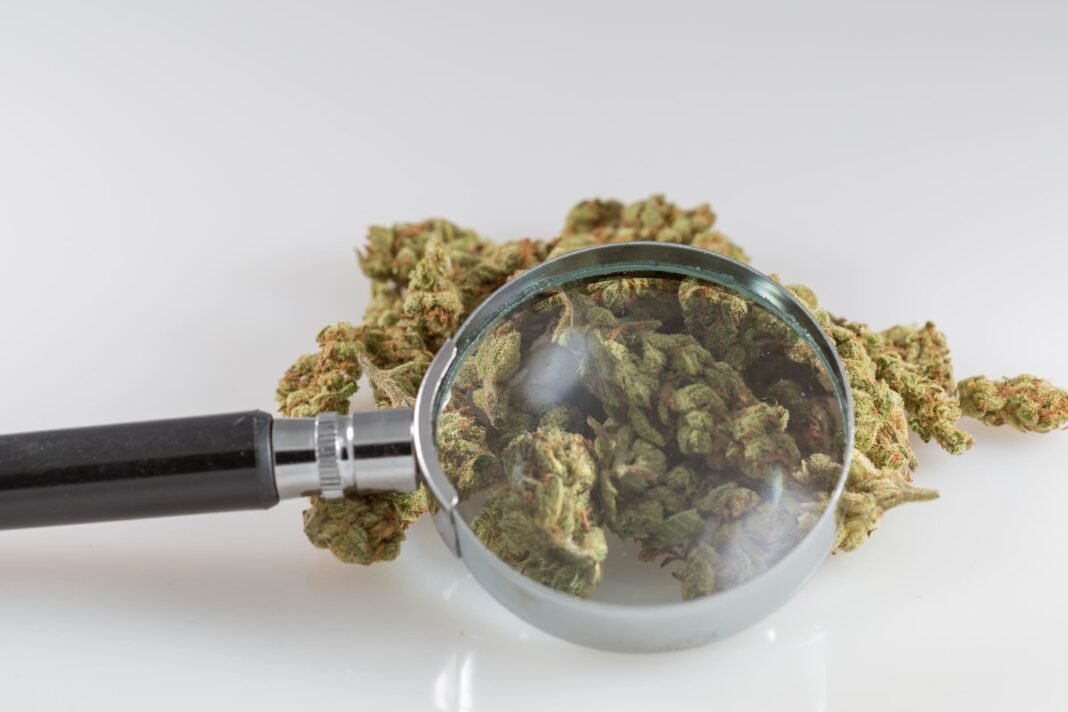

The first sensory-guided research on the compounds that affect the smell of dried cannabis has been conducted by researchers. They have discovered dozens of chemicals previously unknown, which are responsible for the distinct scent of the plant. This study expands the understanding of cannabis beyond terpenes and CBD.
The researchers used a method that’s more common in the field of food science to study cannabis. Using a gas chromatography-olfactometry device along with aroma extract dilution analysis, they cataloged the volatile compounds in marijuana and, importantly, explored which ones actually matter to the nose.
The researchers concluded that “by using this methodology it has been proven that only small amounts of volatiles are responsible for the perception of overall scent.”
It worked by diluting volatile compounds and having trained assessors give each compound a flavor dilution ratio that represented its potency. The researchers used a combination of chemical analysis and human sensory tests to identify 52 compounds that are odor-active, such as terpenes.
A total of 38 of the odorants were never detected before in dried cannabis flowers and six others had not yet been found in any cannabis product.
The authors wrote: “The existence of these new odor active components further supports that certain odorants can be released or formed during drying and curing.” The researchers say that future research should explore the oxidative or enzyme pathways involved in these transformations.
This study is the very first to provide a comprehensive, sensory-guided examination of the composition and odor of hemp dried flowers. The findings reveal the interplay among phenolic compounds (phenolic acids), volatile acids and furanones as well other compounds that have been understudied.
This work may open up new possibilities for cannabis breeding. The same way that wine and coffee taste depends on the subtle aromatic compounds in each, cannabis can also be described with similar nuanced terms.
Researchers matched scents with their perceived qualities to conduct the study.
The smell of sweat coming from cannabis, for instance, is due to 2-methylbutanoic or butanoic. It is 2-acetylpyrazine that gives off a popcorn scent. For consumers seeking an earthy, bell pepper-like smell, 3-isobutyl-2-methoxypyrazine is the odorant causing the scent. An oatmeal-like, sweet scent comes from (2E,4E,6Z)-nona-2,4,6-trienal or α-terpineol for floral and citrus notes.
Some of the other odors that can be described as fruity include pine-like odors, terpene smelling odours, mushroom smelling odeurs, musty scented odeurs, etc.
These findings confirm what many cannabis professionals have known for a long time. Aroma is the most important predictor of customer appeal. This is why breeders choose cultivars as much for their scent as they do for THC or CBD levels.
In the past research has mainly focused on THC-rich marijuana varieties or fresh flowers, leaving dried cannabis unexplored. The researchers of the present study, by adapting methods commonly used in the food sciences to identify the volatiles that shape the perception of aroma, have provided the most clear picture ever about what makes marijuana smell so unique. The scientists used frozen cannabis flowers from six cultivars, provided by Puregene AG of Switzerland.
Researchers from the Zurich University of Applied Sciences, and Technical University of Munich have said their research “lays the foundation for understanding the odorant content of dried cannabis flowers. It provides a basis to validate future findings through quantitative and aroma reconstitution tests,” which are common methods used in the food sciences.
The goal of targeted breeding is to optimize production of desired odorant molecules, catering for different market preferences such as fragrance, food and cannabis-based products.
This paper, published by the American Chemical Society in September 2025 of Journal of Agriculture and Food Chemistry (a peer-reviewed publication), was reviewed and accepted for publication.
The study found that while well-known terpenes such as α-pinene, myrcene, and linalool played major roles, the analysis revealed that sulfur-containing molecules notorious for their pungency also strongly contribute to marijuana’s scent. Compounds like 3-methylbut-2-ene-1-thiol and 4-methyl-4-sulfanylpentan-2-one were detected in dried flowers at a high potency for the first time.
This new research builds upon previous work on standardization in cannabis strain identification. Researchers found in 2022 that marijuana strain labels can be misleading to consumers. This study examined the chemical compositions of nearly 90,000 samples of cannabis from six different states.
Research earlier this year on cannabis genetics suggested that incentives in the legal marijuana market—such as the desire for plants to mature faster and produce more cannabinoids for extraction—may be leading to a decline in biodiversity of the plant worldwide.
The paper builds upon a scientific review published in July 2025 by the journal Molecules, which examined how genetics, cultivating methods, and processing after harvest affects the different compounds that gives cannabis products its distinctive taste.
Sponsored Content
This informative article is brought to you by NUBO CBD →