








The current interpretation by the German federal government of the Cannabis Act is not satisfactory. It was introduced in 1994, when the traffic light coalition took power.
Adults are now allowed to grow up to three plants of cannabis at home and carry 25 grams or less in public. They can also consume cannabis in accordance with the social distance rules.
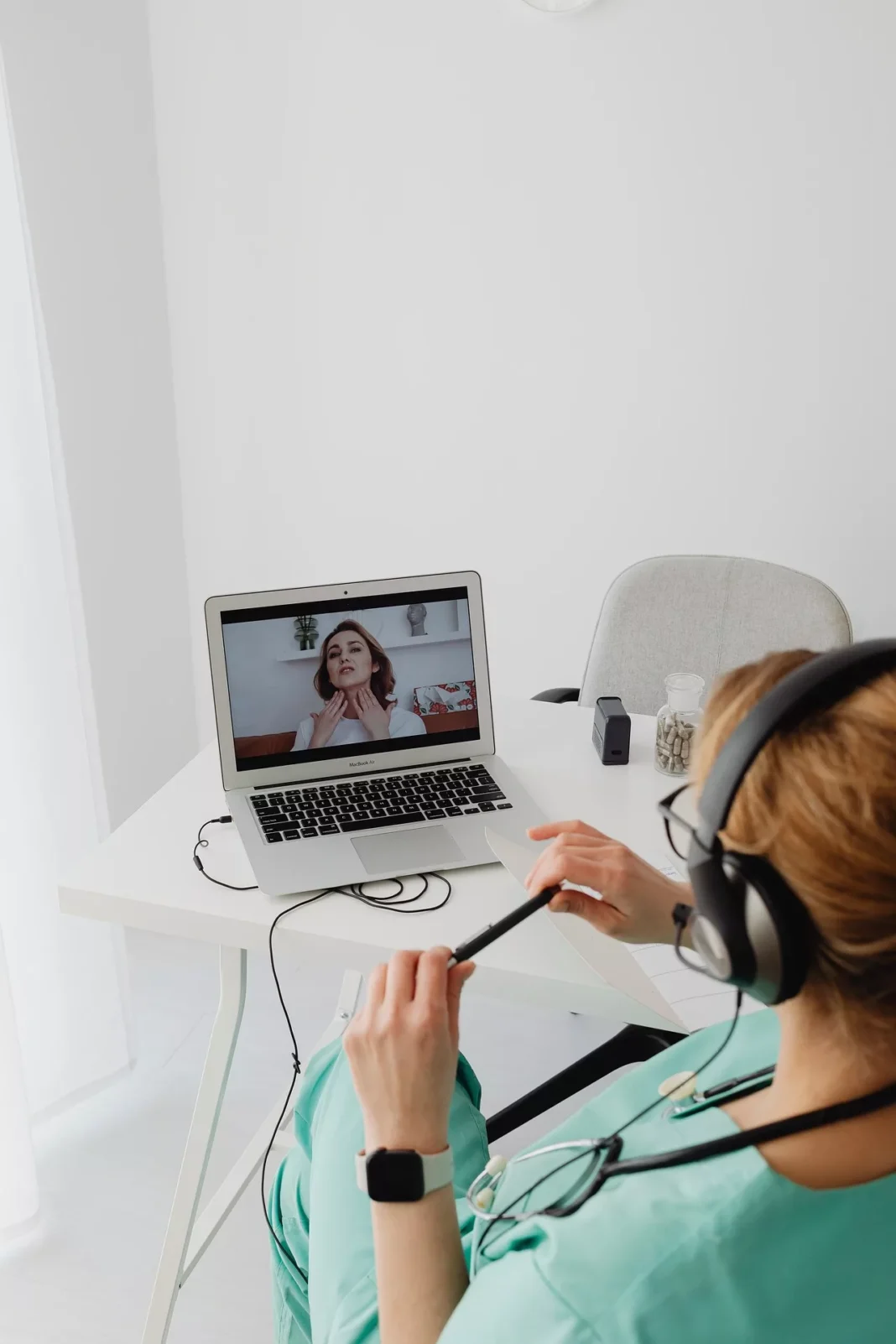
The access to medical cannabis has also been expanded. Prescriptions are no longer needed in controlled substance form. Patients do not need to exhaust all other options before obtaining a prescription. Telemedicine consultations or virtual consultations suffice for adults.
Nina Warken of the CDU, Minister for Health has publicly criticised such a situation. She also drafted legislation to amend CanG. Hendrik Streck, the new federal drug commissioner (CDU), also expressed concern that it is now too easy to obtain cannabis via online legal channels. They argue that increasing imports of medical cannabis are evidence of the abuse of law.
Industry Pushback
The CanG could be tightened, and in particular, restrictions would apply to online pharmacies that sell cannabis medicines. This has major implications for both patients and providers. Many companies conducted surveys of users and warned them about negative effects.
Dr Julian Wichmann, managing director of Bloomwell GmbH, described the proposals as a setback in health policy and ‘medically nonsensical’. He said that restricting the use of telemedicine will compromise effective therapies.
In a Bloomwell study of 2,525 patients, 40% of those who use telemedicine would go to the blackmarket for cannabis that has not been tested if they lost access. 60 % of the remaining patients would lose their access to treatments, which could have serious consequences on public health as well as individual welfare.
Wichmann questioned why such measures would be considered before the planned evaluation of the CanG: ‘In medical care, we have pharmaceutically pure products, controlled dispensing, age verification, medical contacts – none of which exist on the black market,’ he told.
Patient Surveys Indicate Risks
MedCanOneStop, a subsidiary of MCOS GmbH, surveyed 9583 patients to determine the impact that stricter telemedicine regulations could have on them. If restrictions are introduced, there is a high risk that patients will turn to the black market. If restrictions were placed on telemedicine, 92.6% said that the illicit market would return, and 59.2% stated directly they would turn to it.
In spite of the lack medical oversight or quality control, only 5.3% said that they would go to a doctor in their area for medical cannabis.
Overall, 96.7% of respondents expected access restrictions to fuel black market trade, with 82.8% describing the effect as ‘massive’. In contrast, 84.7% said that legal and medically-supervised access to telemedicine had already reduced illicit markets.
Cedric Lehmann, founder and CEO of MedCanOneStop, said the data showed that ‘low-threshold access’ kept patients within a safe, supervised system. According to Prnews24.com75.6% accept that their doctors must conduct a video consult every year, and 93.6% are willing to pay if the cost is reasonable.
Sponsored Content
This informative article is brought to you by NUBO CBD →
Some parts of the German Federal Government are not satisfied with the interpretation of the Cannabis Act, CanG. This was introduced by the former traffic-light coalition and marked a radical shift in the cannabis policy.
Adults are now allowed to grow up to three plants of cannabis at home and carry 25 grams or less in public. They can also consume cannabis in accordance with the social distance rules.
Adults can now obtain medical cannabis prescriptions via telemedicine, virtual consultations, or a controlled substances prescription.
Nina Warken of the CDU, Minister for Health has criticised these conditions and is drafting a Bill to amend CanG. Hendrik Streck, the new federal drug commissioner (CDU), also expressed concern that it is now too easy to obtain cannabis via online legal channels. They argue that increasing imports of medical cannabis are evidence of the abuses taking place.
Industry Pushback
The CanG could be tightened, and in particular, restrictions would apply to online pharmacies that sell cannabis medicines. This has major implications for both patients and providers. Many companies conducted surveys of users and warned them about negative effects.
Dr Julian Wichmann, managing director of Bloomwell GmbH, described the proposals as a setback in health policy and ‘medically nonsensical’. He said that restricting access to telemedicine was a risky move, as it would compromise the effectiveness of therapy.
Bloomwell’s survey of 2,505 patients revealed that 40% would turn to the illegal market to buy untested marijuana if their access was cut off. 60 % of the remaining patients would lose their access to treatments, which could have serious consequences on public health as well as individual welfare.
Wichmann questioned why such measures would be considered before the planned evaluation of the CanG: ‘In medical care, we have pharmaceutically pure products, controlled dispensing, age verification, medical contacts – none of which exist on the black market,’ he told.
Patient Surveys Indicate Risks
MedCanOneStop, a subsidiary of MCOS GmbH, surveyed 9583 patients to determine the impact that stricter telemedicine regulations could have on them. Patients are more likely to turn illegally to markets when restrictions are implemented. If restrictions were placed on telemedicine, 92.6% of respondents feared that illicit channels would return, and 59.2% directly stated they would turn to the black market.
In spite of the lack medical oversight or quality control, only 5.3% said that they would go to a doctor in their area for medical cannabis.
Overall, 96.7% of respondents expected access restrictions to fuel black market trade, with 82.8% describing the effect as ‘massive’. Contrary to this, 84.7% said that legal access under medical supervision had already significantly weakened the illicit market.
Cedric Lehmann, founder and CEO of MedCanOneStop, said the data showed that ‘low-threshold access’ kept patients within a safe, supervised system. According to Prnews24.com75.6% users are in favor of a compulsory annual video consult with their doctors, and 93.6% will pay extra if the cost is reasonable.
Sponsored Content
This informative article is brought to you by NUBO CBD →
Cannabis Law Resources in Poland
Browse essential legal pages on cannabis sales and cultivation in Poland. You can use these resources to learn about the requirements for certifications, permissions and compliance.
-
Polish News Registration and Interests of Cannabis Businesses
-
Permissions for Cannabis Sales in Poland
-
Authorization for Importing or Manufacturing Medical Products
-
Permission for Manufacturing or Importing Medical Products
-
Certificate of Good Manufacturing Practices (GMP)
-
Registration of Medical Products in Poland