



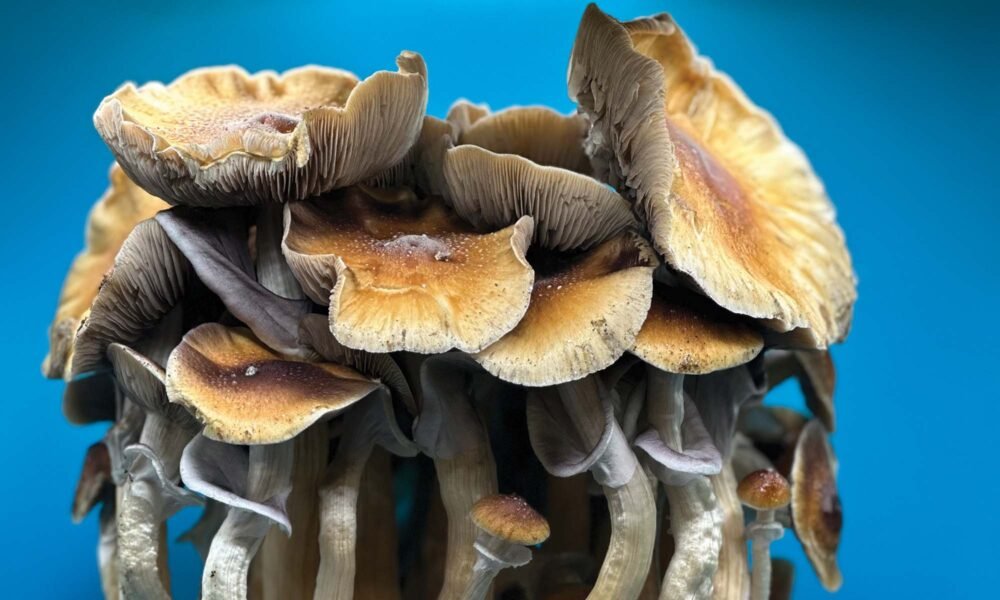

Magic mushrooms, as a medicine was laughed off not so long ago. Today, the psychedelics have a similar cultural and scientific impact as cannabis years ago. The “psychedelic Renaissance” has been attributed to research at leading universities, the growth of clinical trials as well as personal healing stories.
The public perception of the issue has changed at lightning-speed. Fear and stigma have been transformed into curiosity. Taboo has become a useful tool. Cannabis had its version of the moment a decade ago. Once shunned, cannabis is now accepted as a part of modern wellness culture. In a similar way, psychedelics have gained legitimacy, thanks to changing laws and culture, as well as science.
Oregon will open its first licensed centers in 2023 for adults to legally attend guided psilocybin experiences. Colorado decriminalized personal use, and created a model of “natural medicine” that was regulated. Decriminalization is gaining momentum in more states, while cities like Oakland and Denver are leading the way. Canada, The Netherlands, Spain, and Jamaica, all of which are global players, shape markets by focusing on research, retreats, and exemptions for religious and therapeutic reasons.
It is obvious that laws can change when the culture changes. Psychedelics have been positioned as complementary to cannabis, not competitors.
Cannabis is the architect. Cannabis, a once taboo plant, became mainstream thanks to social activism, innovative retail and medical models, cultural normalization, as well as patient-driven research. Some of those who pioneered the cannabis revolution now apply their knowledge to psychedelics.
Field Trip Health is one example. It operates ketamine clinics throughout North America. They are also preparing to offer psilocybin when it becomes legal. They borrow directly from dispensaries, which are welcoming and safe spaces for people to access medicines under the guidance of professionals.
Big-name cannabis veterans including Bruce Linton, former CEO of Canopy Growth, invests in psychedelic firms—he serves as chairman of the advisory board for Netherlands-based Red Light Holland and sat on the board of New York-based MindMed until 2021. Executives who are already scaling cannabis firms see psychedelics as the next frontier. They can use cannabis to prove their concept.
Cross-pollination is a powerful way to accelerate growth. Cannabis brands contribute regulatory expertise, cultivation knowledge and consumer confidence. In turn, psychedelic startups expand the range of healing plants and reach new audiences. It’s not competition—it’s cross-training.
What makes this renaissance so exciting is that psychedelic brands are building with cannabis lessons in mind—prioritizing authenticity, community and consumer education. The companies range from small-scale innovators to large clinical labs. They all share the same core values of cannabis: authenticity, safety, and accessibility.
Take Lady hyphae, the Denver-based kit company created by Danielle Adams. Adams started her cannabis-growing career before switching to mushrooms. Adams says, “Cannabis has taught us people are more interested in access than gatekeeping.” Workshops and kits don’t only focus on mushrooms. It’s about community, empowerment, and reclaiming our health in our own words. Her emphasis on education and her woman-friendly branding resembles the early days when cannabis growers shared their knowledge before dispensaries were available.
Thinking Caps, an California-based brand, blends functional and psychoactive mushrooms into brightly-flavored, fruity-flavored gummies that are designed to improve focus, cognitive clarity and creativity. Lauren Stanko is the founder and says the products they sell are single-sourced to ensure purity and consistency. She says this echoes how cannabis edibles have evolved from being underground brownies, through their recent explosion in the gourmet world and the wellness industry. Stanko says, “These aren’t just party favors. They’re powerful everyday allies.” Stanko says, “We provide something functional and familiar that will fit into everyone’s health routines.
Brands with a fun, colorful design that is also sleek and sophisticated are more likely to be chosen by consumers who are looking for products that combine the worlds of marijuana and psychedelics. The opportunity to tell a story around mushrooms and myco-wellness has helped the mushroom industry integrate itself into self-care in an ethical, transparent market. You can also check out our other styles.
Highlighting the diversity of this ecosystem is Culture Shrooms, a California dispensary-style café with mushroom-infused cold brew and teas with cannabis lounge vibes.
PooGod’s and Twisted Tree Nursery’s “DinoSoil” (a mix of tortoise, camel, alpaca and donkey manure) is used to boost fungal yields in the same manner as other cultivators play with different inputs. Twisted Tree Nursery’s “DinoSoil” (a mixture of alpaca, donkey, tortoise and camel manure), is used by cultivators to boost fungal yields.
Valenveras from Spain and Magic Myco, along with Full Canopy Genetics are leading the way in potency testing. They apply to psychedelics what cannabis laboratories have learned about pesticides, solvents, and safety standards. Compass Pathways has been in clinical trials since late stage to possibly deliver the FDA approved psilocybin.
The convergence of cannabis and other drugs offers everyday consumers more options. Cannabis is often used as daily medicine for easing stress, anxiety, sleeplessness and pain— without substantially disrupting one’s routines. The psychedelics on the other are less frequent, yet profoundly transformative. One session can rewire a user’s relationship to trauma, depression, or spiritual growth.
When used in conjunction, cannabis and psilocybin can be complementary, integrating insights gained from the psilocybin experience, calming physical discomforts such as nausea, or even grounding users during their aftercare. The use of psychedelics may enhance emotional and spiritual healing.
The ultimate goal of each path is empowerment and not dependence.
It is comforting to see that there are similarities between the products. Psychedelics, for example, can be more accessible for people who have experience with natural remedies, such as low-dose THC and CBD supplements. The infused drinks and gummies, which are sold at alcohol stores, are like the common edibles. Both industries use similar marketing terminology (“plant medicines,” “wellness voyages,” “mindful healer,” and “set-and setting”) They’re fostering a new wellness philosophy centered around safety and transparency.
Cultural throughlines exist beyond the products. They are found in conversations that normalize mental health and holistic medicine, which pave the way to open up discussions about psychedelics. To prevent public health concerns and a negative public image, advocates of psychedelics are urging the industry to focus on guided, intentional use rather than recreational misuse.
Holistic, integrative wellness that is grounded in nature will be the future. Cannabis opened the door for psychedelics to walk in.
Expect more cross-over products, shared retailing models, and collaborative education for canna-consumers. Cannabis companies may benefit from a psychedelics product line to diversify their portfolios and increase the distribution of products. They will also be able to remain competitive as markets change rapidly. Nature’s remedies, be they plants or fungi, have great power when used with caution.
This is not a mushroom versus cannabis debate. It is cannabis The following are some examples of how to get started: Mushrooms are a new frontier in wellness that will change the way we connect with others, heal, and imagine our future health.
Sponsored Content
This informative article is brought to you by NUBO CBD →