








The real issues are the housing shortage, social stigmatism and lack safe venues.
By Felipe Neis Araujo, Filter
Malta is the first European state to have legalized marijuana for adults in 2021. Any adult over the age of 18 can keep seven grams or more on them at all times, and grow as many plants as they want. Act also created a framework for regulation that includes cultivation and distribution of cannabis by nonprofits licensed as Cannabis Harm Reduction Associations.
Portugal, among other countries, had already decriminalized possession of small amounts. However it remained a civil offense. Malta’s reform was praised as a pragmatic, public health‑oriented pivot that would siphon revenue away from drug-trafficking groups and spare people the burden of a criminal-legal record. Cannabis smoking at home was allowed, but public consumption of cannabis remained prohibited.
The Labour Party, which ruled the country for four years before changing its mind.
In May, the Parliament of Malta unanimously approved Bill 128, which sets a €235 fine for public consumption of non-medical cannabis—including “in any place where the [odor] “Causes annoyance to a third party.”
Previously this had only applied to public consumption, but it now includes people smoking in the privacy of their home—if a neighbor complains about the smell. For complaints, a free hotline is available. Warning letters started arriving in July.
Joey Reno Vella told the Times of Malta in early 2025 that many people were smoking their cannabis on balconies, which was annoying to the people living above.
The law states that no “criminal proceedings…shall be taken except at the request or with the authorization of the Authority on the Responsible Use of Cannabis.” But it becomes a court matter if the fine goes unpaid—and then what? What will ARUC do as the years go by with those who cannot afford to pay fines?
Karen Mamo, a former ARUC worker and Maltese activist, told Filter in June that “we’re going back to punishing people and plants instead of fixing real problems like housing density, stigmatization and the lack of safe venues.” CHRA have been forbidden from operating on‑site lounges.
The policy U‑turn did not come out of nowhere. From the very beginning, policing was part of legalization and targeted youth who smoked in public. Officers pounced against those smoking cannabis in public places, such as beaches and rooftops. The Catholic Church and conservative lobbyists spread the narrative that Malta was the next Amsterdam.
Claudette Pace, Deputy Chair of the House of Representatives told Members of Parliament in 2023 that she met a blind man whose dog got high after being exposed to secondhand smoke. The government began a highly visible campaign in 2024 called Responsible Cannabis Use. On billboards, Instagram and other social media posts warned about the penalty for smoking near or in front of minors.
Cannabis still poses a serious threat to the public and its children. This tired rhetoric ignores the fact that parents can consume alcohol or smoke cigarettes with a child sitting on their lap.
As a result of the odor complaint issue, 2021 protections were effectively rolled back in densely populated apartments on the island.
David Caruana was the leader of a historical cannabis criminalization campaign in Malta, which began in 2011. He faced charges after growing marijuana plants on his balcony. The case of Daniel Holmes, and Barry Lee who were arrested in 2006 for five plants was highlighted by advocates. Lee, who was awaiting trial and Holmes were serving 10.5 years of prison time at the time of his death by suicide. In 2018, he was finally released.
ReLeaf Malta and other NGOs rallied support from the public, while also pushing politicians to envision a more positive future. After the Drug Dependence Act of 2015, which nominally decriminalized private possession but allowed police to detain drug users for up 48 hours, this lobbying gained some traction. In 2021, advocates who fought against piecemeal changes finally won.
The new amendments will fall hardest on tenants who cannot control communal airflow and on working‑class youth who smoke cannabis outside because landlords ban indoor use. Cultivating the four permitted plants anywhere other than at home now comes with a fine of up to €1,000, yet the plants cannot be visible outdoors. Such fines may not deter affluent growers with detached homes and gardens, but may bankrupt someone renting a third‑floor walk‑up in Birkirkara.
The new law could easily clog the courts, with every contested fine becoming a quasi‑forensic dispute over whose nostrils caught what and when. And, perhaps most galling, the new law imposes mandatory data-sharing on CHRAs—they must hand over their membership lists to ARUC, sowing fear over how that information will be used.
Malta was once a model for reformers in Europe who wanted to see what legalization would look like if it were implemented outside of the Americas. Malta’s swift reversal demonstrates how fragile reform can become and that it is not an end goal.
This article was originally published by Filter, an online magazine covering drug use, drug policy and human rights through a harm reduction lens. Follow Filter on Bluesky, X or Facebook, and sign up for its newsletter.
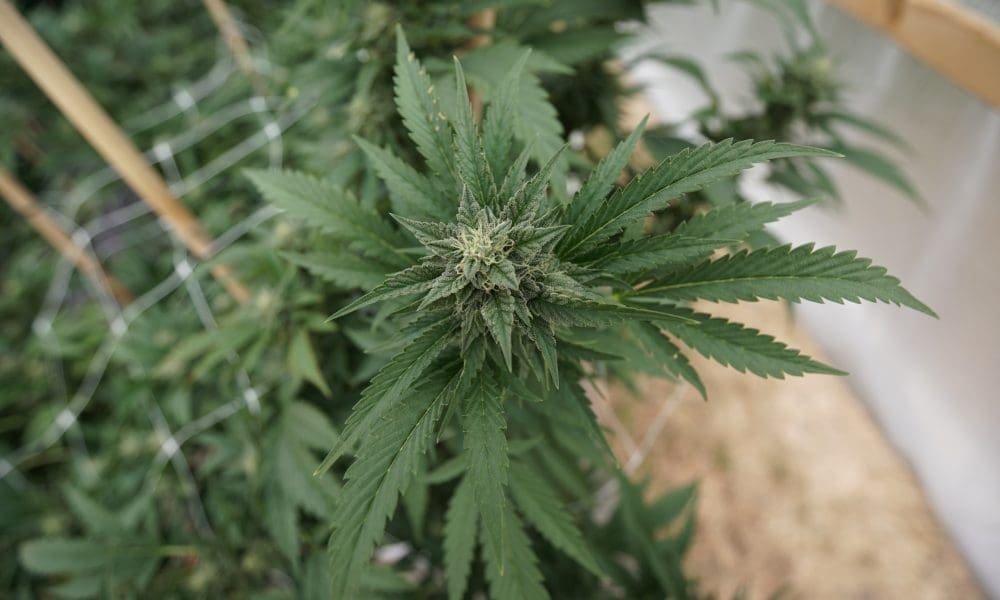
Side Pocket Images. Image courtesy Chris Wallis.
Sponsored Content
This informative article is brought to you by NUBO CBD →