







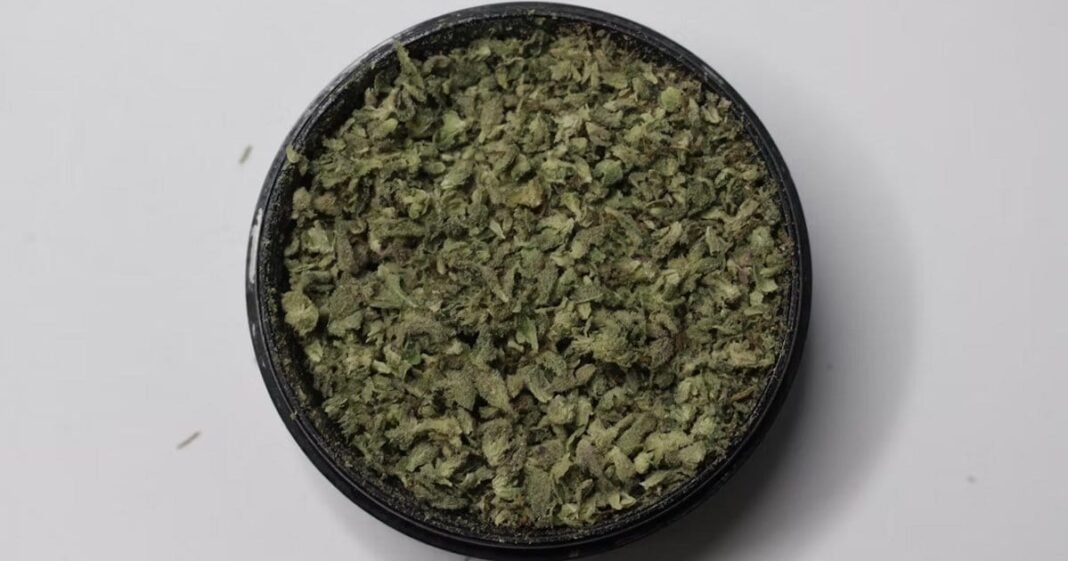

In certain circumstances, cannabis in small quantities imported legally to Australia is no longer subjected to physical inspection.
Department of Agriculture, Fisheries and Forestry has permitted dried cannabis parts, other than seeds, to be imported without inspection in packaging sizes of 10g.
Packaging limitation to 10g per pack has been determined as a viable remedial solution to adequately mitigate the biosecurity hazards associated with dried Cannabis plants parts other that seed.” says a DAFF notification About the Change
It must have retail packaging that is ready to sell, up 10g in a package. Cannabis products that qualify for release without inspection can be issued with documentation that identifies the cannabis product, its commercial packaging and weight.
In the absence of satisfactory documentation for a consignment, it may be unpacked and inspected to make sure it’s free from contamination, such as seeds, bugs, soil, or other biosecurity-related risk materials. This can lead to contamination in the local area, especially if it is a medicinal product.
This change came into force in September 2025.
It’s likely that this new change has an aspect of efficiency. The import of cannabis into Australia has been on the rise. Imports from Australia, under the (Prohibited Imports Regulations 1956) (PI Regulations), increased from 44 573 kilograms per year in 2023 to 77 406 kilograms per year in 2024.
Australia will see a rise in the number of 10g products.
The rules for importing marijuana into Australia are stricter, especially when it comes to medical cannabis. You can start your research at the Therapeutic Goods Adminstration (TGA) website.
All importers of cannabis seeds for sowing require an import license issued by DAF. This can be filed through BICON.
In Australia, the Commonwealth Narcotic Drugs Act of 1967 is the only law that allows the cultivation of marijuana for medical purposes. This does not allow the personal cultivation of cannabis. State and territory governments in Australia regulate the cultivation and production industrial hemp used for nonmedical purposes. In Australia, industrial cannabis is defined as cannabis containing less than 1 percent THC. The Australian figure is much higher than that of some countries.
Sponsored Content
This informative article is brought to you by NUBO CBD →