








It is now nearly two months since President Donald Trump surprised the global cannabis industry by signing an executive order to drag the highly-anticipated cannabis rescheduling process out of the bureaucratic swamp.
With no mention of the project from the administration ever since, the void is once again being filled with prohibitionist pushback, market scepticism, and relentless distractions.
As the initial euphoria of the Executive Order to expedite cannabis rescheduling now all but evaporated, cannabis stocks have predictably surrendered their rapid gains.
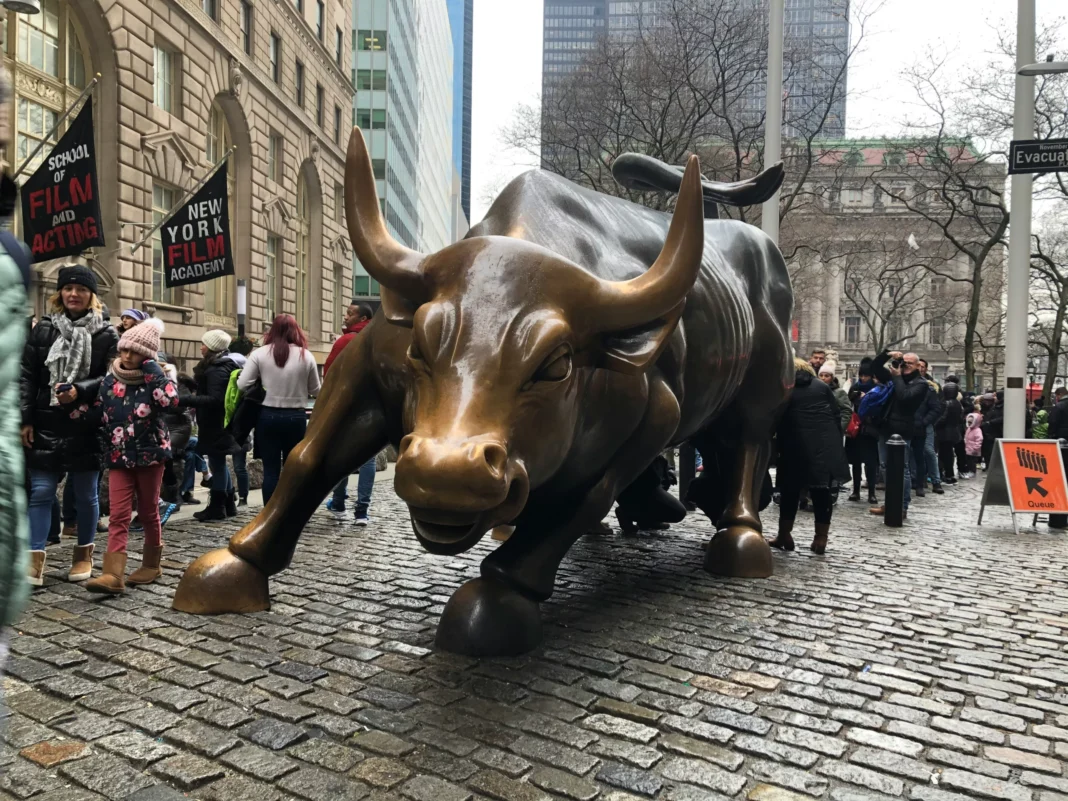
The AdvisorShares Pure US Cannabis ETF (MSOS), which surged 24% following the December announcement, is now down 15% year-to-date as the broader S&P 500 climbs into positive territory.
While the project is by no means written off, the cannabis industry at large historically has poor form on succumbing to hype, and an increasing number of leading voices are now suggesting it could have fallen into this trap once again.
“Rescheduling is just going to be a big tax break largely the MSOs, and it’s going to help their bottom line, which might help their stock price,” Arthur Cordova, CEO of cannabis company Ziel and former Wall Street institutional trader. “But outside of that, it will do nothing to inject any additional capital in the traditional sense.”
With the Justice Department offering no updates on implementation progress and the administrative pathway remaining unclear, Cordova says he’s still waiting for credible analysis of how the process moves forward: “I have yet to read an incisive article that explains how rescheduling gets done now.”
The uncertainty only adds to the mounting resistance within Trump’s own party. The path to Schedule III faces significant legal and administrative hurdles, and even if successful, may not deliver the transformational change legacy operators anticipated.
Implementation Problem
Trump’s executive order directed Attorney General Pam Bondi to ‘take all necessary steps to complete the rulemaking process related to rescheduling marijuana to Schedule III of the Controlled Substances Act in the most expeditious manner.’
But two months later, the Justice Department has provided virtually no clarity on how, when, or whether that will occur.
When pressed by Marijuana Moment last month, a DOJ spokesperson said the department had no ‘comment or updates’ to share. More recently, an agency official told Salon that the ‘DOJ is working to identify the most expeditious means of executing the EO’, suggesting that the path forward has not yet been established.
“You sign one of these executive orders,” Cordova continued, asking if Trump can simply ‘call his DEA person and just do it…don’t give me any guff about it…I want it done by Monday?’
All the people against rescheduling would then bring them into court and have a great time because they were rushed. So will it stand? Was there a public hearing for the other side?
The administrative requirements are substantial. The Drug Enforcement Administration must still review 43,000 public comments submitted during the Biden administration’s Notice of Proposed Rulemaking process. The agency has had no administrative law judges on staff since August 2025, the very officials responsible for overseeing drug reclassifications. Terry Cole, DEA Administrator, confirmed in August, is yet to publicly commit to rescheduling the process and has control over the nomination of new judges.
A recent Congressional Research Service report outlined how the DOJ could, in theory, reject the president’s directive entirely or delay the process by restarting the scientific review.
Attorney General Bondi has so far remained silent on the issue. While it had been speculated the issue would be brought up in this week’s explosive hearing, the session was inevitably derailed by the Epstein Files scandal. .
Legal challenges are also virtually guaranteed. Nebraska Attorney General Mike Hilgers was the leader of a multi-state opposition during the Biden Process and continues to litigate against hemp-derived intoxicants and medical cannabis programs.
Even pro-reform advocates may sue, arguing that rescheduling doesn’t go far enough and cannabis should be de-scheduled. Even pro-reform advocates may sue, arguing that rescheduling doesn’t go far enough and that cannabis should be de-scheduled and entirely removed from the Controlled Substances Act.
What really will change?
The central focus for US-based cannabis operators regarding rescheduling has been the removal of the 280e tax rule, the IRS code section that bars ordinary business deductions for Schedule I/II drug operations.
Cordova insists that Cordova is wrong to suggest institutional capital could be accessed through this model.
“Could it make those stocks more attractive who are publicly traded on, say, a Canadian exchange, and thereby elevating the stock price and the market capitalisation of which they could then maybe get loans from non-conventional means, raise more equity in that way? Yes, but it’s a roundabout way.”
The real barrier isn’t Schedule I classification, it’s banking reform, which remains stalled despite widespread state legalisation. The rescheduling of a company is limited if it does not have access to the traditional capital and banking markets.
Cordova says “banking reform,” would require a “one-two punch” of both rescheduling and legislative action. “Even Chuck Schumer…when they had control of the Senate, would not bring it to a floor vote.”
Furthermore, most of the MSOs are already operating as if 280e has already been abolished, meaning immediately gains will likely be modest.
The one area where Cordova sees genuine progress is research access, but the real-world benefits for patients and businesses will likely not be felt for years.
“It should allow people to work in the clear rather than just the three or four government research centres,” he explained.
Big Pharma companies that have been ‘quietly working behind the scenes’ will finally be able to discuss cannabis in their pipeline publicly. Bayer, Novartis and other multinationals, who were previously wary of jeopardizing their US operations, are now able to engage in open dialogue.
Clinical trials, FDA approvals, and pharmaceutical development timelines don’t move quickly, and legacy cannabis operators lack the regulatory infrastructure that Big Pharma has spent decades building.
MEDCAN24 is publishing a number of articles in the next few weeks that will dive into the details of rescheduling.
Sponsored Content
This informative article is brought to you by NUBO CBD →
It is now nearly two months since President Donald Trump surprised the global cannabis industry by signing an executive order to drag the highly-anticipated cannabis rescheduling process out of the bureaucratic swamp.
With no mention of the project from the administration ever since, the void is once again being filled with prohibitionist pushback, market scepticism, and relentless distractions.
As the initial euphoria of the Executive Order to expedite cannabis rescheduling now all but evaporated, cannabis stocks have predictably surrendered their rapid gains.
The AdvisorShares Pure US Cannabis ETF (MSOS), which surged 24% following the December announcement, is now down 15% year-to-date as the broader S&P 500 climbs into positive territory.
While the project is by no means written off, the cannabis industry at large historically has poor form on succumbing to hype, and an increasing number of leading voices are now suggesting it could have fallen into this trap once again.
“Rescheduling is just going to be a big tax break largely the MSOs, and it’s going to help their bottom line, which might help their stock price,” Arthur Cordova, CEO of cannabis company Ziel and former Wall Street institutional trader. “But outside of that, it will do nothing to inject any additional capital in the traditional sense.”
With the Justice Department offering no updates on implementation progress and the administrative pathway remaining unclear, Cordova says he’s still waiting for credible analysis of how the process moves forward: “I have yet to read an incisive article that explains how rescheduling gets done now.”
The uncertainty only adds to the mounting resistance within Trump’s own party. The path to Schedule III faces significant legal and administrative hurdles, and even if successful, may not deliver the transformational change legacy operators anticipated.
Implementation Problem
Trump’s executive order directed Attorney General Pam Bondi to ‘take all necessary steps to complete the rulemaking process related to rescheduling marijuana to Schedule III of the Controlled Substances Act in the most expeditious manner.’
But two months later, the Justice Department has provided virtually no clarity on how, when, or whether that will occur.
When pressed by Marijuana Moment last month, a DOJ spokesperson said the department had no ‘comment or updates’ to share. More recently, an agency official told Salon that the ‘DOJ is working to identify the most expeditious means of executing the EO’, suggesting that the path forward has not yet been established.
“You sign one of these executive orders,” Cordova continued, asking if Trump can simply ‘call his DEA person and just do it…don’t give me any guff about it…I want it done by Monday?’
The people that are opposed to a new schedule will take the company in court. They’ll enjoy a good time, because everything was done so quickly. So will it stand? Was there a public hearing for the other side?
The administrative requirements are substantial. The Drug Enforcement Administration must still review 43,000 public comments submitted during the Biden administration’s Notice of Proposed Rulemaking process. The agency has had no administrative law judges on staff since August 2025, the very officials responsible for overseeing drug reclassifications. Terry Cole, DEA Administrator, confirmed in August, is yet to publicly commit to rescheduling the process and has control over the nomination of new judges.
A recent Congressional Research Service report outlined how the DOJ could, in theory, reject the president’s directive entirely or delay the process by restarting the scientific review.
Attorney General Bondi has so far remained silent on the issue. While it had been speculated the issue would be brought up in this week’s explosive hearing, the session was inevitably derailed by the Epstein Files scandal. .
Legal challenges are also virtually guaranteed. Nebraska Attorney General Mike Hilgers was the leader of a multi-state opposition during the Biden Process and continues to litigate against hemp-derived intoxicants and medical cannabis programs.
Even pro-reform advocates may sue, arguing that rescheduling doesn’t go far enough and cannabis should be de-scheduled. Even pro-reform advocates may sue, arguing that rescheduling doesn’t go far enough and that cannabis should be de-scheduled and entirely removed from the Controlled Substances Act.
What really will change?
The central focus for US-based cannabis operators regarding rescheduling has been the removal of the 280e tax rule, the IRS code section that bars ordinary business deductions for Schedule I/II drug operations.
Cordova argues that Cordova is wrong to suggest institutional capital could be accessed through this model.
“Could it make those stocks more attractive who are publicly traded on, say, a Canadian exchange, and thereby elevating the stock price and the market capitalisation of which they could then maybe get loans from non-conventional means, raise more equity in that way? Yes, but it’s a roundabout way.”
The real barrier isn’t Schedule I classification, it’s banking reform, which remains stalled despite widespread state legalisation. The rescheduling of a company is limited if it does not have access to the traditional capital markets and banking.
Cordova believes that “banking reform” would need a “two-punch approach of legislative and rescheduling action.” “Even Chuck Schumer…when they had control of the Senate, would not bring it to a floor vote.”
Furthermore, most of the MSOs are already operating as if 280e has already been abolished, meaning immediately gains will likely be modest.
The one area where Cordova sees genuine progress is research access, but the real-world benefits for patients and businesses will likely not be felt for years.
“It should allow people to work in the clear rather than just the three or four government research centres,” he explained.
Big Pharma companies that have been ‘quietly working behind the scenes’ will finally be able to discuss cannabis in their pipeline publicly. Bayer and Novartis can engage now openly, despite their previous caution about compromising US operations.
Clinical trials, FDA approvals, and pharmaceutical development timelines don’t move quickly, and legacy cannabis operators lack the regulatory infrastructure that Big Pharma has spent decades building.
MEDCAN24 is publishing a number of articles in the next few weeks that will dive into the details of rescheduling.
Sponsored Content
This informative article is brought to you by NUBO CBD →
Cannabis Law Resources for Poland
Discover essential legal information about the cultivation of cannabis, its sale, and regulations governing medical products in Poland. These guides will help you understand the legal requirements, such as certifications and permissions.
-
Polish News Registration and Interests of Cannabis Businesses
-
Permissions for Cannabis Sales in Poland
-
Authorization for Importing or Manufacturing Medical Products
-
Permission for Manufacturing or Importing Medical Products
-
Certificate of Good Manufacturing Practices (GMP)
-
Registration of Medical Products in Poland