







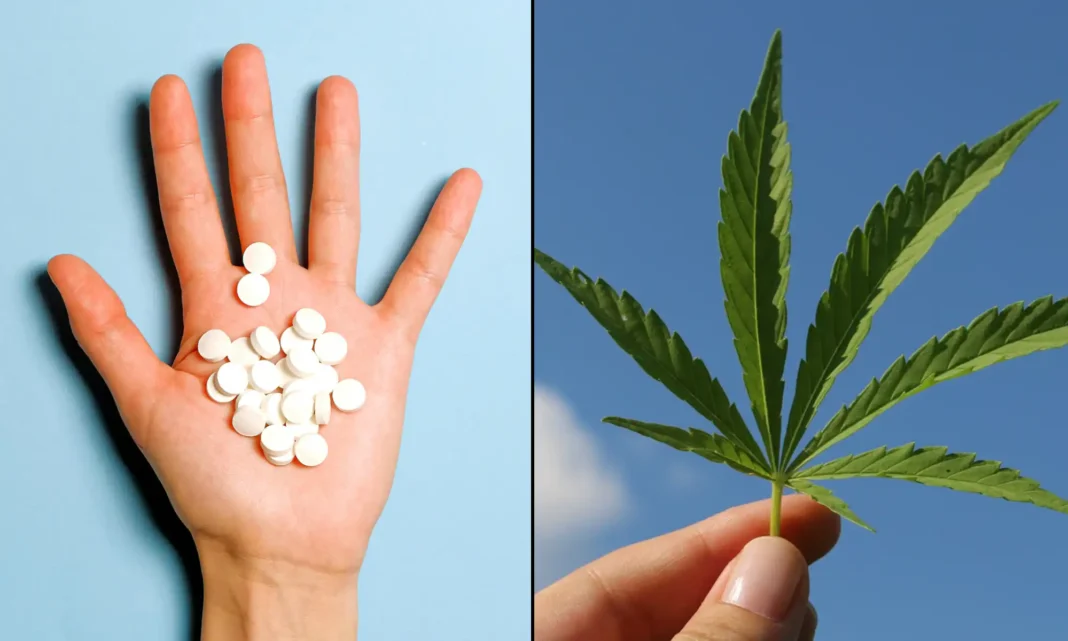

According to a study of more than 3500 patients, using medical marijuana may help reduce other medication use, such as opioids, sleep aids, and antidepressants. After switching from prescription medications to cannabis, they also suffer far fewer side effects.
Results of the study show that patients who began using medical cannabis were able reduce their prescription drug use by 84.5 percent on average.
Some patients have completely stopped taking other medications prescribed to them.
A survey conducted online by Bloomwell Medical Cannabis and Telehealth Company in Germany this month included 3,528 patients.
Patients were able, through the use medical cannabis to reduce their use of prescription drugs by an overall average of 84.5%.
Medical marijuana helped 93.4 percent reduce prescription sleeping pills by at least half, while 75.5 percent stopped taking them altogether.
A methylphenidate ADHD drug sold as Ritalin was able to be stopped by 77.3 percent medical marijuana users.
Medical marijuana helped 61 percent of opioid-dependent patients to stop using the drugs.
Ceasing to use the prescription drugs also led to a large reduction in medication-associated side effects, with 60.7 percent reporting they were no longer experiencing any.
“These patient reports prove that in many cases, besides the actual symptom treatment, one of the essential reasons for an individual therapeutic trial with medical cannabis is the absence or reduction of medication-associated side effects,” the study concluded.
“60.7% of patients report no longer experiencing medication-associated side effects due to the use of medical cannabis.”
Positive side effects were reported by 67.8 % of those who used medical cannabis. They said it improved their concentration, and 61.9 % that they made more friends.
Julian Wichmann (co-Founder and CEO at Bloomwell) said that, “the main reason for prescribing medicinal cannabis is to reduce or avoid side effects of other medications.” Medical cannabis can be used to help people stop using opioid painkillers. This will allow them to manage their day-to-day life without experiencing any side effects.
“We must not restrict access to cannabis for medical purposes, but instead encourage doctors to recommend medical marijuana to their patients or to at least try it out individually and to refer them.” he added. “At the very same time, the results of our study show that it is important to discuss more openly the many benefits of using medical cannabis, and not just warn about the unproven dangers.”
It is not the only study that positions medical cannabis as an alternative safer to prescription opioids.
About one in three Americans who use CBD say they take it as an alternative or supplement to at least one medication—particularly painkillers—according to a federally funded study published in February.
Another recent study funded by the federal government, and published in American Medical Association Journal (AMA), has added further evidence to support marijuana’s effectiveness as a substitute for opioids when treating chronic pain.
Other AMA-published research has found that legalizing marijuana for medical or recreational purposes is “significantly associated with reduced opioid use among patients diagnosed with cancer.”
A separate paper published in October similarly found that medical marijuana legalization is “associated with significant reductions in opioid prescribing.”
In August, meanwhile, Australian researchers published a study showing that marijuana can serve as an effective substitute for opioids in pain management treatment.
Another study published last year in the journal Drug and Alcohol Review found that, among drug users who experience chronic pain, daily cannabis use was linked to a higher likelihood of quitting the use of opioids—especially among men.
Other research also found that legalizing medical cannabis appeared to significantly reduce monetary payments from opioid manufacturers to doctors who specialize in pain, with authors finding “evidence that this decrease is due to medical marijuana becoming available as a substitute” for prescription painkillers.
Recent research has also shown a drop in the number of fatal opioid overdoses among jurisdictions that have legalized marijuana for adults. That study found a “consistent negative relationship” between legalization and fatal overdoses, with more significant effects in states that legalized cannabis earlier in the opioid crisis. According to the authors, recreational marijuana legalization is “associated with an approximate 3.5 death reduction per 100,000 persons.”
This report stated that “our findings suggest that broader access to recreational marijuana could help combat the opioid epidemic.” The report stated that “previous research shows marijuana can be used to reduce opioid prescriptions and may reduce overdoses.”
Another recently published report into prescription opioid use in Utah following the state’s legalization of medical marijuana found that the availability of legal cannabis both reduced opioid use by patients with chronic pain and helped drive down prescription overdose deaths statewide. The study concluded that cannabis has an important role in the management of pain and reduction of opioid usage.
President Donald Trump said in December that marijuana can “make people feel much better” and serve as a “substitute for addictive and potentially lethal opioid painkillers” as he issued an executive order to federally reschedule cannabis and promote access to CBD for therapeutic purposes. The president clarified that, personally, he has no desire to use marijuana.
MEDCAN24 would not be possible without the support of readers. Please consider making a Patreon monthly pledge if you depend on our cannabis journalism for information.

Sponsored Content
This informative article is brought to you by NUBO CBD →