







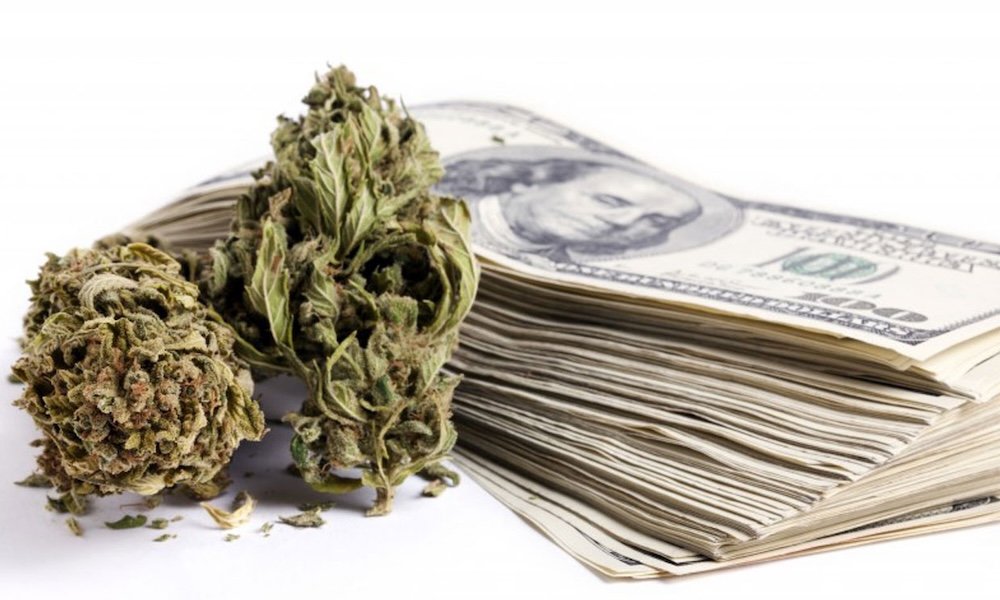

It is a fact that the cannabis industry, for more than 10 years now, has done something no other American major industry had been forced to: it has financed itself.
While traditional banks avoided this space and politicians discussed reform, cannabis entrepreneurs built businesses worth billions of dollars under the toughest economic conditions ever seen in American commerce. Brands have been launched with no access to traditional loans. The 280E tax code forced growers to scale up their facilities, while still avoiding crushing taxes. The dispensaries were able to manage impossible cash flow cycles, while still paying high borrowing costs.
In spite of all this, somehow the industry continued to grow.
FundCanna announced this week that it could mark a major shift in financing the cannabis industry.
Institutional Capital Starts to Enter Cannabis
The cannabis-focused lender announced it secured a senior credit facility worth up to $60 million from a global institutional investment firm managing approximately $40 billion in assets—one of the clearest signs to date that institutional capital is beginning to view cannabis as a legitimate, scalable and financeable sector.
FundCanna will expand its lending platform as it grows, and so the deal also includes an initial commitment of $35 million. This announcement shows that sophisticated investors are increasingly confident in the industry, where there is limited affordable funding.
Adam Stettner is the founder and CEO of FundCanna. He says, “Cannabis businesses have effectively funded themselves over many years by delaying payments, limiting cash flow and restricting access to credit.” This transaction represents a wider recognition that cash flow is just as important as legalization and that cannabis businesses are capable of supporting sophisticated financing strategies with the right data and expertise.
The statement is a good example of one of industry’s greatest challenges.
Industry Financial Infrastructure: A Problem?
Cannabis, outside of the cannabis industry, is frequently associated with celebrity brands, legalization politics, and cultural momentum. Operators have, behind the scenes, spent many years trying to navigate a financially inefficient system.
Many cannabis companies still have difficulty accessing traditional banking services and affordable commercial loans. The credit-card system is still inconsistent and the basic lines of credits that are needed by most businesses remain unavailable or too expensive.
As a result, delayed payments to vendors and tight cash flow management have become the norm.
The reality of the situation has caused thousands of businesses in the legal marijuana industry to suffer.
Many companies that have a good product and a healthy demand from customers still struggle because they cannot access financing at favourable terms. The problem wasn’t demand for cannabis—it was the lack of financial infrastructure surrounding the industry.
FundCanna is focused on this.
Unlike many traditional lenders that prioritize hard collateral or real estate-backed financing, FundCanna has concentrated heavily on working-capital solutions and supply-chain financing—areas that many cannabis operators desperately need but historically struggled to secure.
The company claims that the new facility can support more than 500 million dollars in funding cumulatively over the next few years. This could inject significant liquidity into an area of the market which has been severely lacking financial flexibility.
Cannabis Finance in a More Mature Age
It comes during the biggest federal policy shifts that the cannabis industry in the last few years has experienced. The momentum around the rescheduling of cannabis continues to change investor sentiment. Many institutional groups view cannabis as an opportunity for long-term growth, rather than just a regulatory gamble.
The capital market is feeling the effects of this shift.
Investors have renewed interest in public cannabis companies following recent federal reform. Lenders, private equity groups and institutional investors are more willing to invest now than wait for federal legalization.
Stettner says that “for the first time, institutional capital is entering this market segment, which has been driven by changing federal policies and the growing recognition of cannabis businesses’ resilience despite structural inefficiencies, and the limited availability of traditional financial and banking tools, over the years.”
This evolution is a far cry from the boom in cannabis investments of late 2010.
The valuations of the past were often based on speculation, celebrity partnership and operational reality. In today’s market, the focus is on fundamentals. Cash flow, underwriting discipline and operational efficiency are all important.
The cannabis industry is entering an era of financial maturity in many respects. Not because legalization alone solved everything—it didn’t—but because sophisticated finance is beginning to acknowledge what operators have known for years: Cannabis is no longer a fringe experiment.
Instead, the massive consumer-driven economy has been able to survive extraordinary structural problems while expanding across the nation. For the first time, capital is ready to invest alongside the economy instead of standing on the sidelines.
Sponsored Content
This informative article is brought to you by NUBO CBD →