







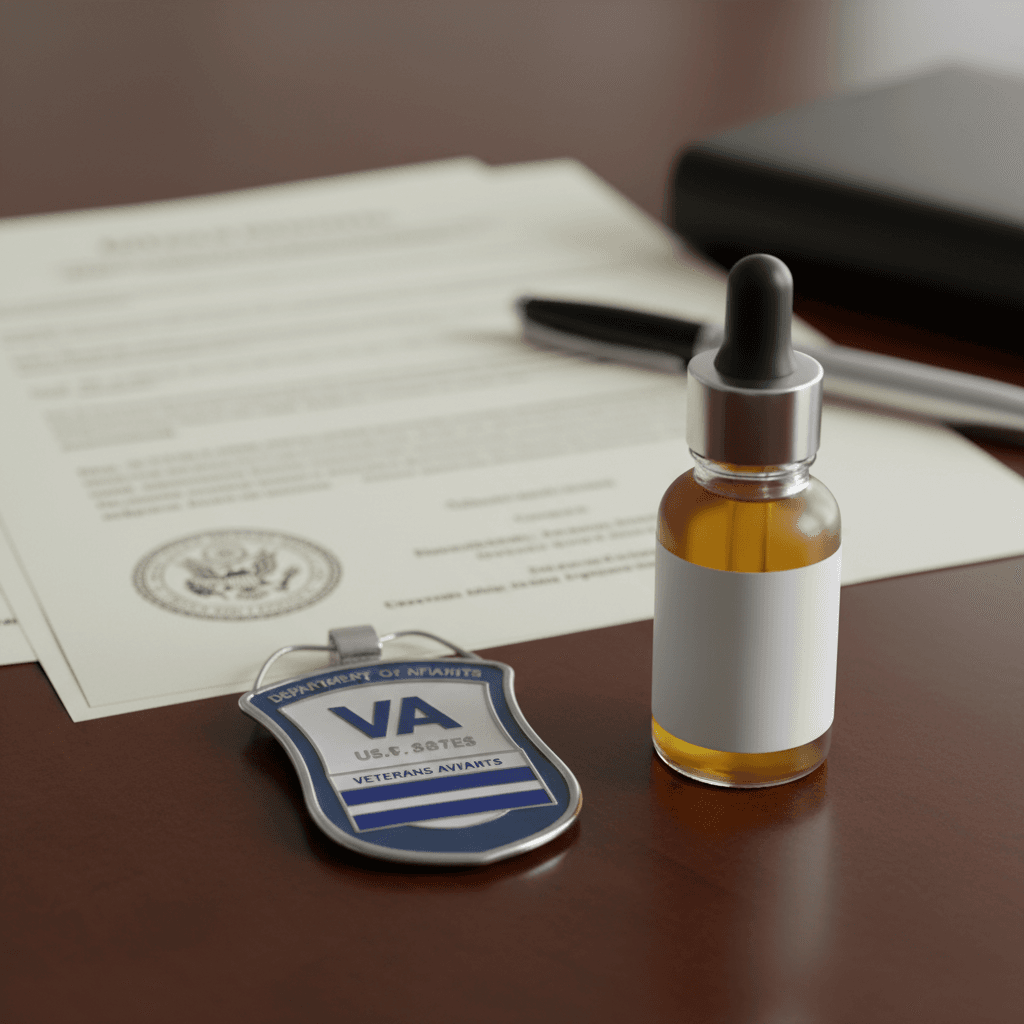

Documents obtained from the U.S. Department of Veterans Affairs indicate that federal rescheduling of cannabis for medical use could allow military veterans to have easier access with VA doctors. Veterans Action Council’s (VAC) Freedom of Information Act Request (FOIA), which led to the acquisition of these documents, provides insight into the way the Veterans Health Administration’s (VHA’s) current cannabis policies, VHA Directive 13015, are implemented and how changes may occur when federal rescheduling moves forward, potentially increasing veterans’ access to medical cannabis.
Hemp Gazette reported previously that the federal government was working to move cannabis from Schedule I into Schedule III. The potential for reclassification is important. Although reclassification is unlikely to affect every aspect of veterans’ care who receive cannabis from VA providers, internal documents do suggest some specific impacts.
VHA Directive No. 1315 is the current VA policy.
This FOIA disclosure, consisting of over 1,500 internal pages, shows the VHA’s consistent efforts to inform providers, align their care with federal policies, and respect veterans’ rights. VHA Directive 1315 appears in internal communication, training material, and cover letters. This indicates that the VHA is firmly committed to this policy.
The documents reinforce the key principles of VHA Directive1315.
- Patients and providers must discuss the use of cannabis, as well as evidence in favor and against it.
- Vets participating in approved medical cannabis programs of the state cannot be denied treatment solely because they are veterans.
- Clinicians are expected to document cannabis usage.
Michael Krawitz was among the veterans who fought to have VA shift its approach away from prohibition and towards clinical engagement. In the past, veterans such as Etienne Fontan were removed from VA hospitals in the 90s for simply mentioning the use of medical cannabis. This is a far cry from the expectation today that providers engage in an open discussion.
The Federal Medical Cannabis Rescheduling Act and its Implications
VA Clinicians are not allowed to recommend cannabis, or certify veterans as eligible for programs in the state. The FOIA documents indicate that this may change, if cannabis was moved from Schedule I into Schedule III. A report states that one document says the reform could affect VA providers’ ability to refer VA clients to State medical marijuana treatment programs. Marijuana Moment.
The standard of care should remain consistent despite any potential changes in provider authority. Treatment plans for mental health would be maintained unless there is strong evidence to support a change. The Office of Mental Health and Suicide Prevention has provided guidance that, even if VHA Directive 13015 were to be rescheduled the VHA Directive’s core principles would still apply, and providers will continue to have the obligation of discussing and documenting cannabis use. If there are any changes in provider authority such as referrals for state programs or other legal issues, separate policy and legal reviews will be required.
The Challenges of Policy Evolution
Despite the VHA’s efforts, there are still challenges. Many veterans do not know about the Directive 1315 because they fear punishment for disclosing their cannabis use. This is against VHA policy. The clinicians are faced with an overwhelming amount of anti-drug memos and misinformation about drugs that could obscure the intention of the cannabis directive. FOIA records did not reveal evidence that cannabis-related continuing medical training courses were widely spread within the system. As a result, veterans’ experiences varied across facilities.
VHA Directive No. 1315 works within a legal framework that is complex, balancing state legalization with federal prohibition. FOIA response confirms that the structure has been taken very seriously. Facilities are guided by current policies regarding conduct on VA land, while the directive establishes a framework to facilitate clinical interactions. Consistency of the framework is designed to provide a balanced approach between clinical and legal responsibility.
Disclaimer: The information contained in this article does not constitute advice on medical matters. Hemp Gazette is not a medical provider and does not offer diagnoses or treatment plans. Before making decisions about your health, or any condition that may affect it, always consult with a medical professional. The Therapeutic Goods Administration in Australia (TGA) has not evaluated any statements regarding the therapeutic use of cannabis or hemp-derived products. TGA regulations allow Australians to access medical cannabis through prescription.
Sponsored Content
This informative article is brought to you by NUBO CBD →