



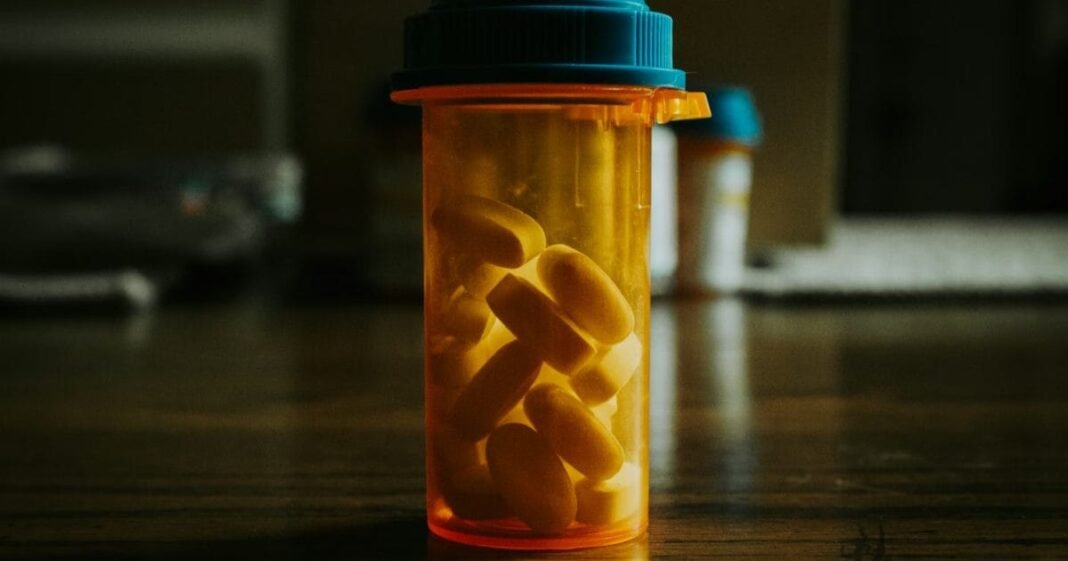

New research suggests that participation in New York State’s medical marijuana program is associated with lower prescription opioid expenditures.
Chronic pain and opioid addiction remain pressing health issues in the United States — it has been no exaggeration to describe the situation as a crisis. In addition to the other serious effects of addiction, overdose deaths are common. Tens of thousands Americans die each year from opioid abuse.
Cannabis is also a useful tool to address some of the crises.
Researchers from Albert Einstein College of Medicine, Montefiore Health System and the University of California San Francisco led this study. It involved 204 adults who had been prescribed opioids to treat chronic pain. Data from the New York State Prescription Monitoring Program was used to monitor participants’ progress over a period of 18 months.
Before using cannabis, most participants were taking an average of 73.3 mg morphine per day. But over the period following, this average dosage dropped to just 57 mg. This is a 22% decrease.
“Our findings indicate that medical cannabis, when dispensed through a pharmacist-supervised system, can relieve chronic pain while also meaningfully reducing patients’ reliance on prescription opioids,” said Deepika E. Slawek, M.D., M.S., the study’s lead author. Medical cannabis used under supervision may be one of the most effective tools in fighting the opioid crisis.
This study was conducted to determine the effectiveness of the program. has been published JAMA Internal Medicine.
It is nothing new to see these kinds of results. One study, which we discussed in August, found that legal cannabis availability in the USA was related to lower opioid prescription usage among cancer patients. Australian researchers found that the use of cannabis for chronic non-cancer-related pain may lead to a reduction in opioid prescribing.
In a similar vein, Kathy Hochul, the New York State Medical Cannabis Program’s Director, recently signed Senate Bill S3294A, which expands access to medical cannabis and strengthens patients rights.
You can find more information about New York’s Medical Cannabis Program here. Opioid Use Disorder, among other conditions, is a qualifying condition. However the patient has to be in a program of treatment.
Sponsored Content
This informative article is brought to you by NUBO CBD →