







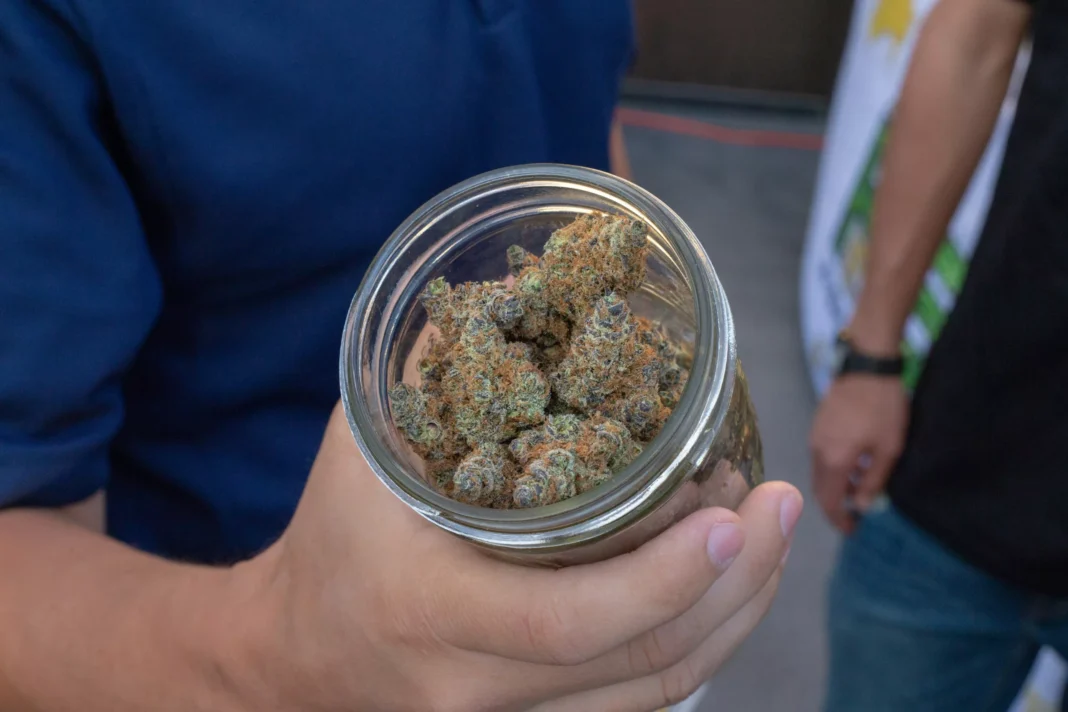

Why is Europe’s new market excluding flowers?
Martinez says that moving away from flowers is an evolution of a market focusing solely on cannabis used as medicine. This helps to grease the wheels for integration in existing healthcare models.
Both France and Spain launched very restrictive hospital-focused programmes, he said. “In this context, the exclusion of flower would be a prudent choice. Flower can introduce variability in dosage and administration, which is difficult to reconcile against pharmaceutical standards.
“Standardised formats – oils, capsules, or device-delivered extracts – are easier for clinicians to prescribe, monitor, and integrate into existing clinical workflows.”
Spain’s precise preparation instructions, standardised concentrations of cannabinoids and strict dose requirements demonstrate this emphasis on pharmaceutical consistency. This is much harder to achieve when it comes to dried flowers, where the cannabinoid contents can vary significantly from batch to batch, and be affected by many factors.
He continued, “For example, France is in 2026 entering a phase of transition from a program pilot to a system permanent.”
In this environment, the focus is more on consistency and clinical supervision than scale. In this context, regulators are more likely to prioritize formats which look and act like traditional medicines, such as standardised preparations and controlled dosage, or delivery systems that can be integrated into existing hospital and pharmacies.
Curaleaf is leading the way in developing alternative forms. The UK was the first market to offer cannabis pastilles. We also introduced Europe’s first CE certified medical inhalation devices, and more are on their way.
The ‘perception issue’
Although dried flowers are still dominant on most established medical cannabis markets, they have been lifted from recreational markets such as Canada and US. These products carry the same name and branding with the same stigma.
The use of this treatment as a daily therapy is becoming unpopular amongst politicians, physicians, and even some patients.
“Perception matters. In some countries, the inhalation of cannabis flowers still comes with a stigma. Martinez acknowledged.
A medical device can help distinguish between the therapeutic uses and the stoner stereotype. “When a patient uses an inhaler or vaporiser that has been rigorously tested, it feels and looks more like legitimate medical treatment.”
Australia, Germany and the UK are all struggling to manage the perception that medical cannabis programs serve as recreational access. This is especially true given the dominance of flower.
We’ve covered this in our coverage of the French market. By opting to focus on a pharmaceutically-focused market right from the beginning, you can avoid a lot of these problems.
This distinction often allows for medical cannabis frameworks in order to be accepted by politicians. They solve both a clinical and a safety issue, while also solving a perceptional problem, by indicating that we are not simply handing out joint to our patients. In doing so, they give regulators and clinicians confidence that cannabis can be administered in a ‘doctor-friendly’ and socially acceptable way.
Regulators are careful to steer clear of anything recreational in early stage medical programs. In many countries, inhaled flower is still associated with this association. By starting with products other than flowers, policymakers can frame the systems as medically-based and gain legitimacy before possibly expanding access.
With this in mind, however, Martinez suggests that ‘regulatory change doesn’t eliminate underlying patient need, and demand doesn’t disappear by decree’.
As such, these incoming frameworks will ‘test’ whether alternative treatment forms ‘truly meet patient need’, or whether they prove to be merely a ‘marginal solution for a narrow group of patients’.
The approach may be understandable as a conservative roll-out but will have to demonstrate its practicability and inclusiveness over time.
The majority of European medical cannabis markets are still dominated by the demand of patients for flowers, which is a reliable and familiar form of treatment. However, it’s becoming more clear that the use of pharmaceutical grade delivery devices will be the key to the market’s next growth phase.
The second installment of our series will examine the technical specifications behind CE-certified devices. We’ll also look at the case for inhaling liquids and the impact of Curaleaf’s multi-year investment on the European market.
Sponsored Content
This informative article is brought to you by NUBO CBD →
Why is Europe’s new market excluding flowers?
Martinez claims that the move away from the flower was a natural progression in a cannabis market solely focused as a medical product, which helped grease the wheel of integration within existing healthcare models.
Both France and Spain introduced highly restrictive hospital-oriented programmes,” explained he. In that context, it is prudent to exclude flower. Flower can introduce variability in dosage and administration, which is difficult to reconcile against pharmaceutical standards.
“Standardised formats – oils, capsules, or device-delivered extracts – are easier for clinicians to prescribe, monitor, and integrate into existing clinical workflows.”
Spain’s precise preparation instructions, standardised concentrations of cannabinoids and strict dose requirements demonstrate this emphasis on pharmaceutical consistency. This is much harder to achieve when it comes to dried flowers, where the cannabinoid contents can vary significantly from batch to batch, and be affected by many factors.

He continued, “France is, for instance, entering the year 2026 as it transitions from a pilot system to a permanent one.”
It’s an environment that is tightly controlled and aligned to pharmaceutical standards. The focus here is on clinical oversight, not rapid scaling. In such a context, the regulators prefer formats that look like and behave as conventional medicine: standardised formulations, controlled doses, and delivery methods that are compatible with existing hospital or pharmacy models.
Curaleaf is leading the way in developing alternative forms. The UK was the first market to offer cannabis pastilles. We also introduced Europe’s first CE certified medical inhalation devices, and more are on their way.
The ‘perception issue’
Although dried flowers are still dominant on most established medical cannabis markets, they have been lifted from recreational markets such as Canada and US. These products carry the same name and branding with the same stigma.
The use of this treatment as a daily therapy is becoming unpopular amongst politicians, physicians, and even some patients.
“Perception matters. In some countries, the inhalation of cannabis flowers still comes with a stigma. Martinez acknowledged.
A medical device can help distinguish between the therapeutic uses and that old-school stoner stereotype. “When a patient uses an inhaler or vaporiser that has been rigorously tested, it feels and looks more like legitimate medical treatment.”
Australia, Germany and the UK are all struggling to manage the perception that medical cannabis programs serve as recreational access. This is especially true given the dominance of flower.
We’ve covered this in our coverage of the French market. By opting to focus on a pharmaceutical market right from the beginning, you can avoid this.
It is this distinction that allows the medical cannabis frameworks gain acceptance from politicians in the first instance. The devices not only solve the clinical problem of precision and safety but also help to solve perception problems by signaling that patients aren’t just given joints. In doing so, they give regulators and clinicians confidence that cannabis can be administered in a ‘doctor-friendly’ and socially acceptable way.
Regulators are careful to steer clear of anything recreational in early stage medical programs. Many countries still associate inhaled flowers with recreational use. Start with non-flower products to allow policymakers frame this system as strictly medical, and then build legitimacy prior to potentially broadening the access.”
With this in mind, however, Martinez suggests that ‘regulatory change doesn’t eliminate underlying patient need, and demand doesn’t disappear by decree’.
As such, these incoming frameworks will ‘test’ whether alternative treatment forms ‘truly meet patient need’, or whether they prove to be merely a ‘marginal solution for a narrow group of patients’.
The approach may be understandable as a conservative roll-out but will have to demonstrate its practicability and inclusiveness over time.
It is becoming clearer that pharmaceutical-grade devices are the future of the European cannabis market. While flower remains a popular and trusted form of therapy, the European market will continue to grow as long as patients demand it.
The second installment of our series will examine the technical specifications behind CE-certified devices. We’ll also look at the case for inhaling liquids and the impact of Curaleaf’s multi-year investment on the European market.
Sponsored Content
This informative article is brought to you by NUBO CBD →
Cannabis Law Resources in Poland
Discover essential legal information about the cultivation of cannabis, its sale, and regulations governing medical products in Poland. These guides will help you understand the legal requirements, such as certifications and permissions.
-
Polish News Registration and Interests of Cannabis Businesses
-
Permissions for Cannabis Sales in Poland
-
Authorization for Importing or Manufacturing Medical Products
-
Permission for Manufacturing or Importing Medical Products
-
Certificate of Good Manufacturing Practices (GMP)
-
Registration of Medical Products in Poland