







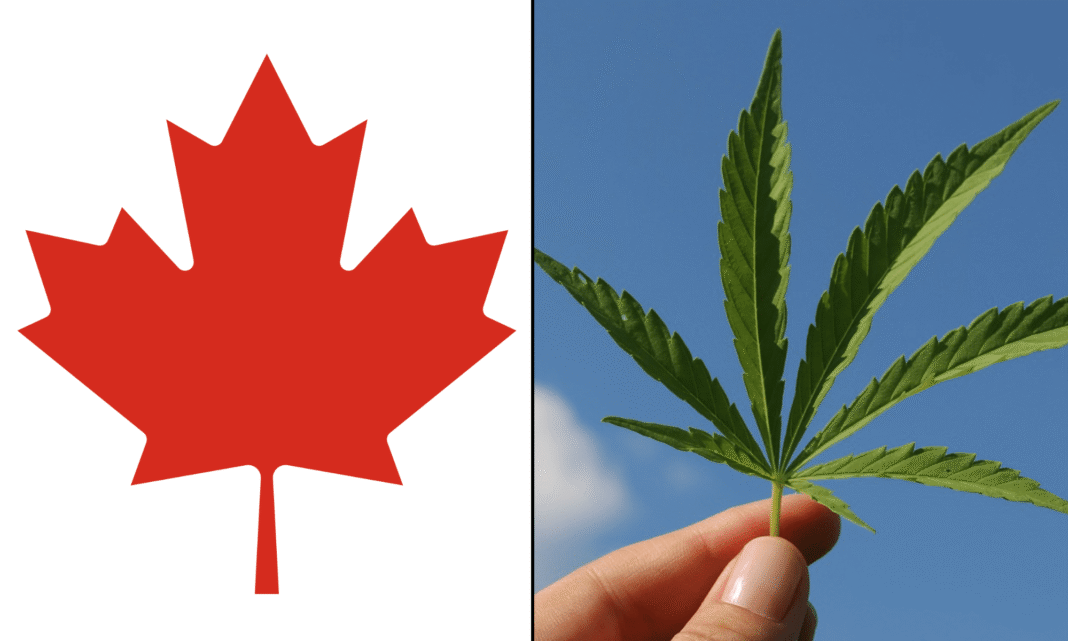

New poll shows that a majority in Canada believe the marijuana industry that has emerged since the legalization of cannabis nationwide seven years back is “an important contributor” to our economy. It also shows the rate of use of both cannabis and nicotine are almost the same.
The survey by Abacus, commissioned from the cannabis firm Organigram Global found that attitudes towards the marijuana industry are overwhelmingly positive.
Canadians are beginning to realize the contribution of cannabis in the overall economic health of Canada. In fact, 59 percent describe it as an important sector. This includes 69 per cent of recent Liberal and Conservative voters.
The last time the Organigram research company asked Canadians this question, in April, 57% agreed that the marijuana market was important to the economy. This is a small increase.
Respondents also voiced support for additional reforms to bolster the market such as expanding regulatory input to include both health and agriculture agencies (47 percent), being more proactive to combat illicit sales (43 percent), lowering taxes or offering tax incentives to marijuana businesses to generate jobs (33 percent) and creating the infrastructure to develop new cannabis product types (31 percent).
Beena Goldberg, CEO at Organigram Global said, “Canadians have a clear desire for legal cannabis to be a cornerstone of the country’s economic strategy.” There’s an explicit public mandate that the government modernize cannabis treatment. Cannabis is also a Canadian key industry, with plenty of room to innovate, especially in the areas of beverages, edibles and wellness.
Respondents were asked in the survey to indicate their preference for two future options regarding marijuana policy. These included: updating the rules so that they can promote the industry’s growth, “even though it may mean cannabis will become a bigger part of Canada’s economy”, or maintaining current restrictions which restrict the sector’s expansion. The first option was chosen by 59% of Canadians.
Another 58 percent expressed excitement or neutrality about the prospect of the government supporting the cannabis sector by “making the industry more able to create jobs and grow.”
Research firm also asked questions regarding individual usage trends. According to the findings, 35 percent of Canadians used marijuana within the past month. Another 32 percent consumed cannabis during the past two-week period.
The survey showed that the percentage of people who reported using marijuana in the past two weeks (32%) is about the same as the percentage who said they had used nicotine (33%) during the past two weeks. This is consistent with research which has shown that as legalization moves forward, more and more people choose cannabis to smoke tobacco.
David Coletto said, “Canadians have begun to connect the dots between smart domestic policy and economic resilience.” Canadians believe that in an era of global protectionism and growing uncertainty, growing Canada’s legal cannabis sector will help to boost the economy, generate high-value jobs and increase industrial independence.
This survey included interviews of 2,000 Canadians from June 25 to July 3, and a margin error of +/-2.19 percent.
Meanwhile, although the implementation of Canada’s cannabis program didn’t come without its hitches, studies and surveys have indicated that it’s been generally successful, achieving many of the goals advocates argued it would such as giving Canadian adults a safer and regulated alternative to the illicit market, without driving youth consumption as prohibitionists claimed it would.
A government report published late last year revealed that the majority of Canadians now purchase cannabis from legal sources, and only 3% of those surveyed reported purchasing it illegally.
Observers have also been watching how broader adult-use legalization impacts medical marijuana in Canada, noting, for example, patient enrollment rates declining after legalization was enacted but before retailers opened for business.
A study earlier this year, meanwhile, found similar marijuana use rates and support for legalization in both the U.S. and Canada despite the countries’ different national approaches to regulating the drug.
Another report out of Canada this year found marijuana legalization was “associated with a decline in beer sales,” suggesting a substitution effect where consumers shift from one product to the other.
Sponsored Content
This informative article is brought to you by NUBO CBD →