








A newly-filed bill could force employers to pay for medical cannabis costs for workers compensation patients who qualify.
Rep. David Delloso’s (D) legislation would require Pennsylvania employers to “reimburse a qualified patient who obtained medical marijuana for certified medicinal use” under the state cannabis law, if the employee is injured at work.
The maximum amount that can be reimbursed to qualifying patients is up to $3,000 per year.
Injured workers with chronic pain require an alternative to opioids for managing their pain. Delloso stated in an endorsement memo sent late last month that we have witnessed the harm these drugs cause during the opioid crisis. The use of medical cannabis for chronic pain can protect injured workers against the dangers associated with dangerous medications.
He said that his legislation requires employers to reimburse workers who qualify for workers’ compensation benefits prescribed medical cannabis. This usage is required to be approved under the Medical Marijuana Act, and by the Department of Health as a treatment for chronic pain in the Commonwealth’s medical cannabis program.
It is important to note that allowing medical cannabis use in treating chronic pain for injured workers provides relief not just to the workers themselves but to their families as well. Families will be able to rest easy knowing that their loved ones’ pain can be controlled without the fear of addiction or rising medical costs associated with opioids.
The memo concluded that “Injured Workers deserve the most effective, safe and affordable treatment available.” I urge you to support these workers and co-sponsor this legislation.
Six more Democratic House Members signed up as the original sponsors of this measure. The legislation was referred to the House Labor & Industry Committee on Monday.
Delloso, too, is one of several members of Pennsylvania’s state legislature that have proposed to legalize the drug in Pennsylvania. However, the bill he filed last month would involve a state-run model, despite a different version of the legislation being soundly rejected in the GOP-controlled Senate after it passed the House earlier this session.
Democrats have recently called for voters to put pressure on state senators in order to approve the marijuana measure. They argued that the bill would improve health and safety, as well as bring billions in revenue to the Commonwealth.
While other legalization proposals have since been filed in the state—including from bipartisan lawmakers in both chambers—Senate Majority Leader Joe Pittman (R) and others have already signaled disinterest in the reform.
—
MEDCAN24 tracks hundreds of marijuana, psychedelics, and drug policy legislation in state legislatures this year. Patreon subscribers who donate at least $25/month have access to the interactive maps and charts as well as our hearing calendar.
Discover more about the marijuana bills tracker. Become a patron on Patreon for access.
—
The reform in the state legislature has been stalled for years due to the GOP’s opposition. But not all Republican members are against the policy change—and one recently said she felt her party should seize the “opportunity to snatch” the issue from Democrats.
Scott Martin, the powerful Appropriations Chair, has also said that, despite opposition from Senate Majority leader Pittman and other Republicans, he does not plan to advance any bills legalizing adult use.
Nevertheless, one Republican senator sponsoring a legalization proposal said last week that supporters in the legislature are “picking up votes.”
Sen. Dan Laughlin (R)—who has introduced a legalization bipartisan bill with Sen. Sharif Street (D)—said support is growing because “people would rather [legalize cannabis] Tax increases are a better way to achieve budget balance.”
Rep. Amen Brown (D) subsequently said he intended to file a House companion version of that measure, circulating a cosponsorship memo to colleagues earlier this month.
Separately, just days after Laughlin and Street filed their measure, Reps. Emily Kinkead (D) and Abby Major (R)—alongside eight other cosponsors—filed legislation in the House to enact the reform. The pair have previously championed other proposals to end prohibition.
Laughlin and 16 other lawmakers also recently filed a separate bill to create a new regulatory body in the state that would begin overseeing medical cannabis while preparing to eventually handle the adult-use market as well.
Meanwhile, a recent poll found that Pennsylvania voters say they favor a model where cannabis is sold by licensed private businesses rather than through a system of state-run stores.
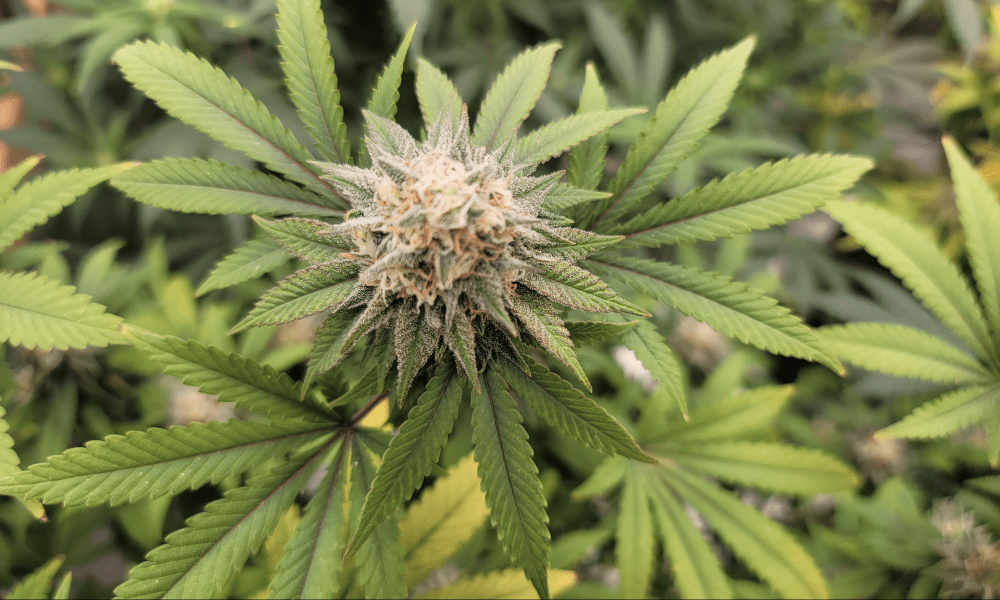
Mike Latimer provided the photo.
MEDCAN24 could not exist without readers’ support. Consider a Patreon subscription if our marijuana advocacy journalism is what you use to keep informed.

Sponsored Content
This informative article is brought to you by NUBO CBD →