






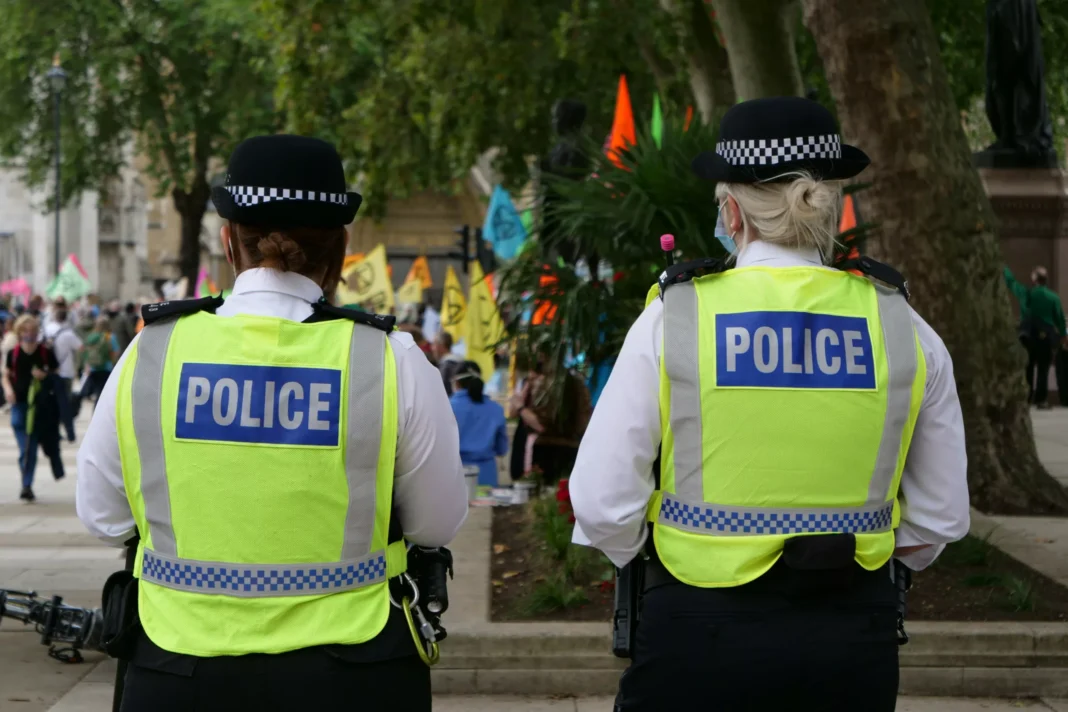

The National Police Chiefs’ Council approved its first official medical cannabis guidance seven years after it was legalised.
The guidance, titled ‘Medicinal Cannabis and the Police – Guidance for Officers and Staff’, crucially calls for officers in England and Wales to adopt a ‘patients first, until proven otherwise’ philosophy when handling encounters involving prescribed medical cannabis.
While its authors readily admit this is ‘not a complete answer’, it marks a critical first step, openly recognising that there are glaring knowledge and education gaps within law enforcement and extending a welcome olive branch to patients and industry to work towards a standardised approach.
Richard List, QPM, retired Detective Chief Superintendent, head of Drugs Squad, who wrote the guide, said MEDCAN24: If you are a patient, and have taken a drug prescribed to you by your doctor, there shouldn’t any police interference.
Knowledge gap
According to the data collected by UK medical cannabis clinic Alternaleaf from a survey of 2000 patients, one fifth have had their medications questioned by police.
List was surprised to learn that 30% of the patients in the clinic were anxious about taking their medication out into public. The fear is mainly due to possible police encounters.
It is easy to see why patients are so anxious when dealing with the law by looking at forums such as r/UKMedicalCannabis.
Repeated stories and calls for advice from the community tell of officers rejecting claims that medical cannabis ‘is a thing’, even when presented with prescription documentation, falsely stating that it is ‘always illegal’ and even laughing at attempts to justify their medication.
These encounters, while not experienced by every patient, point to officers who either misunderstand what’s legal (‘only on the NHS and never flower’) or don’t know medical cannabis is legal at all. It is not uncommon for patients to be locked up in jail, have their medicine confiscated and their job or rental contract jeopardised.
But it’s important to know that, in most cases, these crimes aren’t the fault of the police, they simply result from a serious lack of training or education at all levels.
List, the former Thames Valley Police Intelligence and Specialist Operations Command leader, revealed that he himself was unaware of medical marijuana.
“I knew nothing about medicinal marijuana. I dealt with a lot of illicit cannabis, but medicinal cannabis was completely different to me… I was so naive about it… I thought that it would be quite a sterile green pill or something like that. It was an eye-opener for me,” explained the man.
“Most of those officers on the street have got less than two years service, and if they’re not necessarily being trained, if this isn’t part of the curriculum, and bear in mind that curriculum has got quite a lot to cover, we’re not going to be able to influence… the hearts and minds to think medicinal cannabis is something very, very different from cannabis.”
Alex Fraser from Patient Protect, an organisation that supports patients facing discrimination, says the guidance represents a turning point: “It’s enormously reassuring to see this publication from the APCDLO—the first public recognition of medical cannabis patients from a UK policing body.
At Patient Protect we provide support to patients who may have encountered problematic or discriminatory police interactions. This document is extremely useful, as it provides much-needed advice to police officers while also giving patients the confidence to feel safe.
Sponsored Content
This informative article is brought to you by NUBO CBD →
The National Police Chiefs’ Council approved its first official medical cannabis guidance seven years after it was legalised.
The guidance, titled ‘Medicinal Cannabis and the Police – Guidance for Officers and Staff’, crucially calls for officers in England and Wales to adopt a ‘patients first, until proven otherwise’ philosophy when handling encounters involving prescribed medical cannabis.
While its authors readily admit this is ‘not a complete answer’, it marks a critical first step, openly recognising that there are glaring knowledge and education gaps within law enforcement and extending a welcome olive branch to patients and industry to work towards a standardised approach.
Richard List, QPM, retired Detective Chief Superintendent, head of Drugs Squad, who wrote the guide, said MEDCAN24: If you are a patient, and have taken a drug prescribed to you by your doctor, there shouldn’t any police interference.
Knowledge gap
In a survey of 2000 patients by UK medical cannabis clinic Alternaleaf that surveyed the data, one fifth had been questioned about their medication.
List was surprised to learn that a separate study conducted by the clinic revealed that 30 percent of patients are anxious about taking their medication in public. The majority of this anxiety is due to possible police encounters.
If you look at the forums for patients like r/UKMedicalCannabis, it is clear why there are such concerns amongst patients when they have to deal with law enforcement.
Repeated stories and calls for advice from the community tell of officers rejecting claims that medical cannabis ‘is a thing’, even when presented with prescription documentation, falsely stating that it is ‘always illegal’ and even laughing at attempts to justify their medication.
These encounters, while not experienced by every patient, point to officers who either misunderstand what’s legal (‘only on the NHS and never flower’) or don’t know medical cannabis is legal at all. Patients are often forced to spend hours in prison cells and have their medications confiscated. Their jobs or leases may also be at risk.
But it’s important to know that, in most cases, these crimes aren’t the fault of the police, they simply result from an extreme lack of training.

List, the former Thames Valley Police Intelligence and Specialist Operations Command leader, revealed that he himself was unaware of medical marijuana.
“I knew nothing about medicinal marijuana. I dealt with a lot of illicit cannabis, but medicinal cannabis was completely different to me… I was so naive about it… I thought that it would be quite a sterile green pill or something like that. It was an eye-opener for me,” explained the man.
“Most of those officers on the street have got less than two years service, and if they’re not necessarily being trained, if this isn’t part of the curriculum, and bear in mind that curriculum has got quite a lot to cover, we’re not going to be able to influence… the hearts and minds to think medicinal cannabis is something very, very different from cannabis.”
Alex Fraser from Patient Protect, an organisation that supports patients facing discrimination, says the guidance represents a turning point: “It’s enormously reassuring to see this publication from the APCDLO—the first public recognition of medical cannabis patients from a UK policing body.
At Patient Protect we provide support to patients who may have encountered problematic or discriminatory police interactions. This document is extremely useful, as it provides much-needed advice to police officers while also giving patients the confidence to feel safe.
Sponsored Content
This informative article is brought to you by NUBO CBD →
Cannabis Law Resources for Poland
Browse essential legal pages on cannabis sales and cultivation in Poland. These guides will help you understand the legal requirements, such as certifications and permissions.
-
Polish News Registration and Interests of Cannabis Businesses
-
Permissions for Cannabis Sales in Poland
-
Authorization for Importing or Manufacturing Medical Products
-
Permission for Manufacturing or Importing Medical Products
-
Certificate of Good Manufacturing Practices (GMP)
-
Registration of Medical Products in Poland