



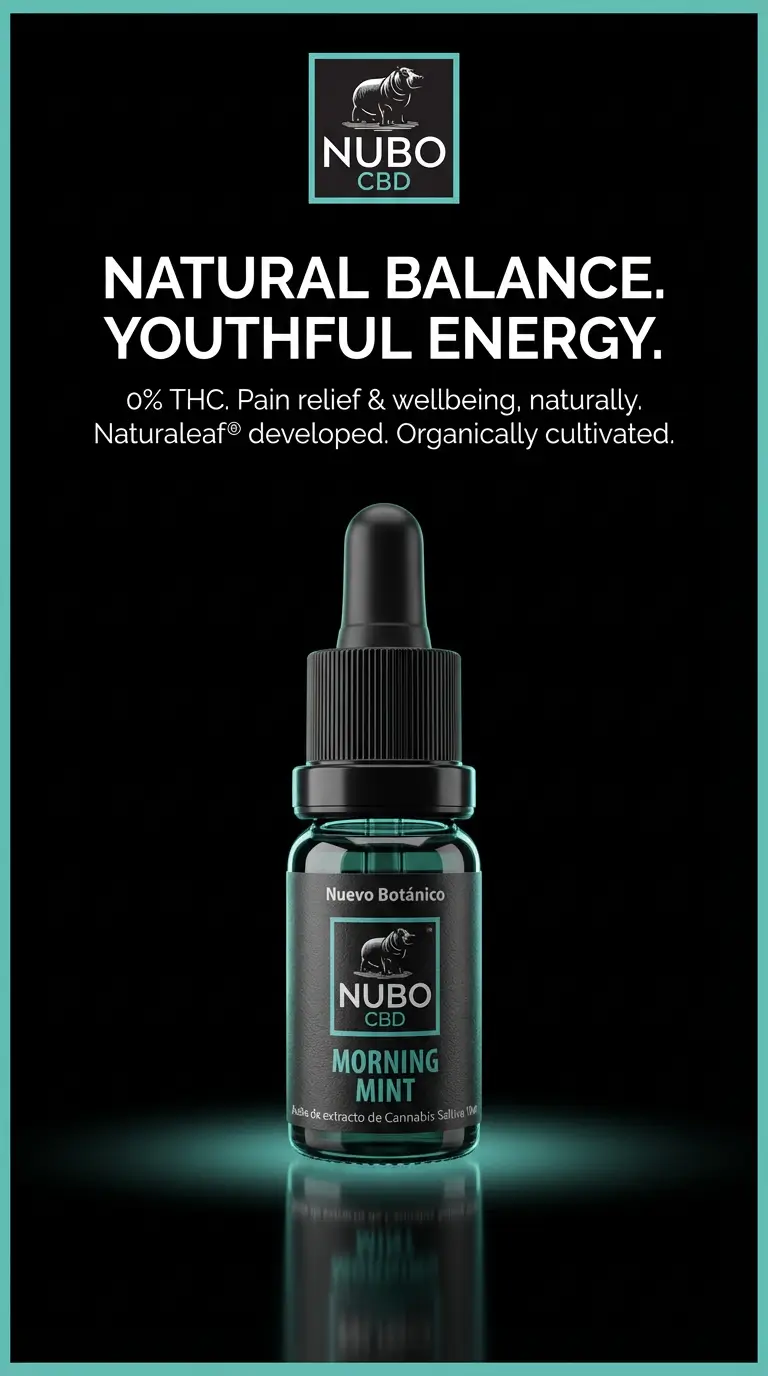





Washington’s latest actions on hemp derived CBD reveal just how unresolved U.S. cannabis policy still is.
Recently, federal actions have been taken that are in opposing directions. Each is based on an assumption different than the other about CBD.
Congress is pursuing a bipartisan proposal called the Hemp Enforcement, Modernization, and Protection Act. This bill would relax restrictions for hemp-derived products, and include ultra-low THC limitations that were embedded into recent federal funding language. The effort is described by lawmakers as “closing the hemp loophole” aimed at products that are intoxicating, but also written to protect CBD markets.
The administration also floated the notion that some hemp-derived CBD-free products would be covered by Medicare. This signals that CBD is more closely related to the healthcare system rather than the retail consumer market.
Missalignment
Medicare assumes that the product will meet basic medical standards. This includes a consistent formula, defined dosage, manufacturing controls that are enforceable, and safety thresholds. They aren’t optional, they are at the core of every reimbursable market.
Federally, hemp-derived CBD does not have any of these foundations. The reason it can’t be produced is because regulators avoid deciding exactly what CBD legal means.
Since years, the Food and Drug Administration (FDA) has stated that CBD can’t be added to foods or sold as a supplement because it was initially investigated as an illegal drug. The agency also refused to develop a viable alternative. In the end, there is an unregulated CBD market in America that has no uniform federal standard.
Producers are exposed to risks
In this context, Congress’s decision to implement an absolute THC limit, which will take effect on November 20, 2026, may force producers to throw out product, undertake costly remediation, or dilute CBD levels to undermine its effectiveness. These steps increase costs, squeeze small producers and narrow the legal market.
CBD can be purchased over the counter today in a highly competitive market. Medicare’s involvement in the market would alter this structure. Prices can often change dramatically when third party reimbursement enters markets previously dominated by consumer payments. Prices rise as compliance costs go up. Access is influenced by gatekeeping and rules, rather than simply availability.
The problem that Medicare insurance is supposed to solve is not clear either. CBD is widely available and does not require a prescription for seniors. Medicare’s involvement in access rarely simplifies things and can often add new layers of regulations.
You are still searching
It isn’t the question of whether CBD can be therapeutically effective that matters most. What matters is whether the federal government can get past contradiction and make a decision on how to regulate hemp-derived cannabinoids.
A coherent strategy is to not treat CBD for reimbursement as a drug while at the same time tightening regulations that threaten legal production. Washington is still unable to answer the central question of the CBD controversy.
Sponsored Content
This informative article is brought to you by NUBO CBD →