







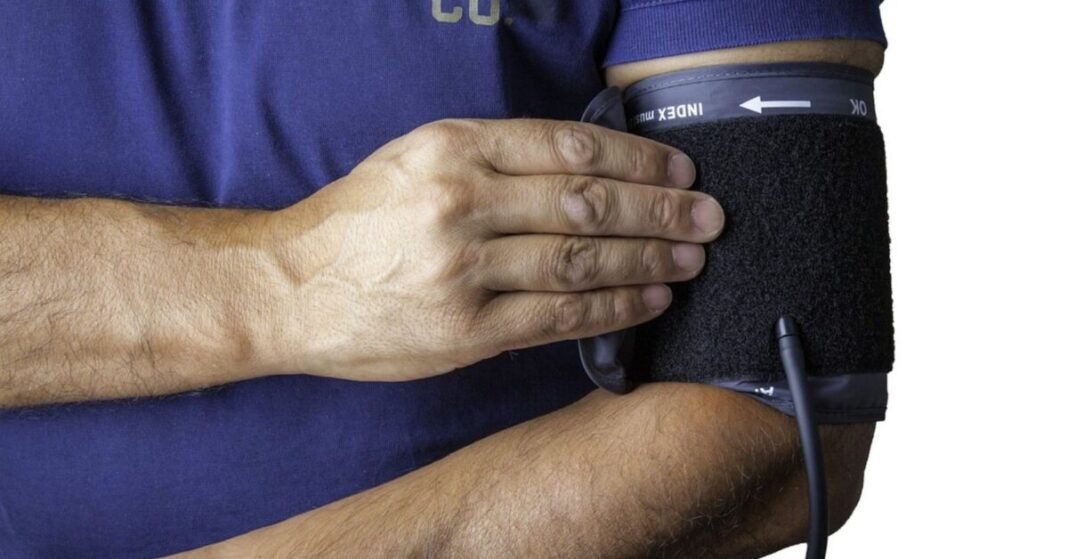

According to researchers at University College London, the use of CBD is associated “statistically” with a reduction in blood-pressure among patients. The researchers came to their conclusion through a systematic evaluation of clinical trials and published their findings. Journal of Cannabis Research.
A systematic search of PubMed was performed in September 2024. Studies that met the criteria were randomised-controlled trials (RCTs), involving oral CBD in normotensive, hypertensive, or normal blood pressure adults. The researchers wrote. Four RCTs with 120 participants met inclusion criteria. Studies varied in CBD dose (225–600 mg/day), duration (two hours to 5 weeks), and participant health status. CBD dosage (mg/day), and blood pressure indicators were associated, with higher doses resulting in greater reductions. “All four studies showed statistically significant decreases in systolic systolic pressure when compared with placebo, especially under stress or while sleeping.”
The most severe effects were observed when the 600 mg/day dose was administered acutely. The side effects were mild to moderate in severity, with nausea, diarrhea, and fatigue being the most common. No serious cardiovascular incidents were reported.” The researchers found.
Oral CBD can reduce blood pressure in healthy and hypertensive people, especially under stressful conditions or during sleep. The researchers concluded. Researchers concluded that “larger, longer-term studies with homogeneous supplements and bioavailability measurements are needed to establish CBD’s therapeutic roles in blood pressure control.”
The recent study in the United Kingdom is part of a growing body research that indicates CBD could be an effective treatment to high blood pressure. International researchers claim that CBD is effective in treating high blood pressure. estimated that about 1.4 billion adults globally aged 30–79 years old have high blood pressure (hypertension), which represents roughly 33% of the population in that age range.
In Split, Croatia, a team of academics and health researchers conducted a trial in which they examined the impact of cannabidiol in hypertension patients. The results of the trial were published by European Heart Journal.
“The trial was designed in the form of a randomized triple-blind crossover trial. The trial included 70 patients with primary high blood pressure. Exclusion criteria included the presence of significant comorbidities, smoking (tobacco and CBD), pregnancy, and BMI ≥ 35 kg/m2.” Researchers explained their method.
The clinical trial randomly assigned each patient to receive either “placebo-matched” capsules or cannabidiol for five weeks. Then, patients “crossed-over to alternate therapy (CBD) and were assessed through regular visits during which “venous samples were taken from each patient.”
“After five weeks of CBD supplementation the 24h systolic BP fell by 4 mmHg. The diastolic BP also dropped by 3 mmHg. After a 5-week course with placebo, no such change was noted. The decrease in BP was accompanied with a reduction in serum catestatin levels and urotensin II.” Researchers found.
After assessing the relationship of cannabis use with blood pressure in a cohort of 91,000 people, a French researcher concluded that current and lifetime cannabis usage are both associated with lower levels. These findings were published recently in the journal Nature: Scientific Reports.
The investigator stated: “In adjusted models, lifetime heavy marijuana use was associated decreases in both SBP [systolic blood pressure]DBP [diastolic blood pressure], and PP [pulse pressure] Women are more affected than men, although both have an effect. … Current cannabis use was associated with lower SBP levels in men and in women. The same results were seen for DBP and PP.”
A 2021 Israeli study Cannabis treatment for 3 months reduced systolic, diastolic, and heart rate in hypertension patients.
Sponsored Content
This informative article is brought to you by NUBO CBD →