



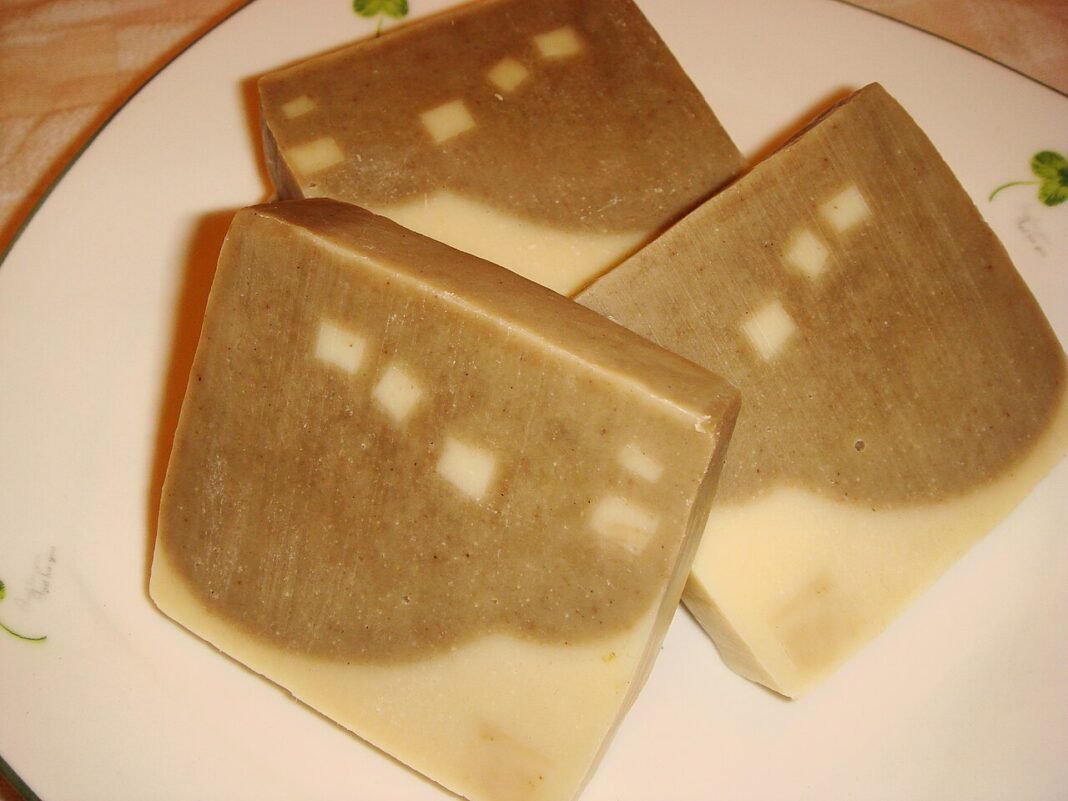

Here’s how to make hemp soap the easy way: melt a glycerin melt-and-pour soap base, stir in a small amount of hemp seed oil (about 1 teaspoon per pound), pour it into silicone molds and let it set for a few hours. No lye handling is needed. If you want a true from-scratch bar, cold-process soap uses lye and hemp seed oil as part of the oil blend, then cures for 4 to 6 weeks.
Hemp seed oil is a popular soap oil because it’s rich in fatty acids and gives a gentle, conditioning bar. This 2026 guide covers both methods step by step, the tools you need, lye safety, and the mistakes that cause greasy or spotted bars. One quick note: hemp seed oil soap contains no meaningful THC or CBD and won’t get anyone high.
Key takeaways
- Melt-and-pour is the beginner-friendly option. You add hemp seed oil to a premade base, so there’s no lye to handle.
- CandleScience advises keeping melt-and-pour base under 160°F so bars don’t turn rubbery.
- Cold-process soap needs lye (sodium hydroxide), goggles, gloves and a lye calculator for every recipe.
- Hemp seed oil is very high in linoleic and alpha-linolenic acids, so keep it to a small share of your oils to avoid soft or rancid bars.
- Per the FDA, the seeds don’t naturally contain THC, and hemp seed ingredients carry only trace THC and CBD.
This guide contains affiliate links. If you buy through them, Hempland.net may earn a commission at no extra cost to you.
Why hemp seed oil works in soap
Hemp seed oil is pressed from the seeds, not the flowers. A 2024 study in the journal Foods found hemp seed oil rich in unsaturated fatty acids, with 51.2 to 53.4 g of linoleic acid and about 14.9 to 19.0 g of alpha-linolenic acid per 100 g of oil. Another 2024 study measured a high iodine value of about 168, a sign of how unsaturated the oil is.

That’s good news for a soft, conditioning feel and bad news for shelf life. Very unsaturated oils oxidize faster, which can lead to soft bars and orange rancid spots. The fix is simple: use fresh oil, keep it in the fridge and use it as a minor oil, not the main one. If you want to learn more about the oil itself, read our guides on how to use hemp seed oil and hemp oil vs CBD oil.
What you need
| Item | Melt-and-pour | Cold process |
|---|---|---|
| Glycerin melt-and-pour base | 1 lb | Not used |
| Cold-pressed hemp seed oil | About 1 tsp per lb of base | About 10 to 15% of total oils |
| Other soaping oils (olive, coconut, shea, etc.) | Not needed | The rest of the oil blend |
| Lye (sodium hydroxide) and distilled water | Not used | Amounts from a lye calculator |
| Microwave-safe glass measuring cup or double boiler | Yes | Stainless steel pot for oils |
| Digital kitchen scale and thermometer | Helpful | Required |
| Silicone molds | Yes | Yes (loaf or bar molds) |
| Goggles, gloves, long sleeves | Gloves for hot base | Required |
| Rubbing alcohol in a spray bottle | Pops surface bubbles | Optional |
How to make hemp soap with melt-and-pour (easiest)
- Clean your space. CandleScience suggests sanitizing your work area and tools with rubbing alcohol. Set out your molds on a flat tray.
- Cut the base. Chop 1 lb of melt-and-pour base into small, even cubes so it melts quickly and evenly.
- Melt it gently. Microwave in a glass measuring cup for about 1 minute, then in 20-second bursts, stirring between each, until just melted. A double boiler works too. CandleScience says not to let the base go above 160°F, and if it foams, it’s too hot.
- Let it cool slightly. Wait until the base is around 140 to 150°F, the range CandleScience gives for adding fragrance.
- Stir in hemp seed oil. Add about 1 teaspoon of hemp seed oil per pound of base, plus a skin-safe fragrance or essential oil at the supplier’s recommended rate if you like. Stir slowly so you don’t whip in bubbles.
- Pour and spritz. Pour into silicone molds and lightly spray the surface with rubbing alcohol to pop bubbles.
- Let it set. Leave the bars at room temperature for 2 to 4 hours, or until fully firm, then pop them out.
- Wrap and store. Glycerin soap attracts moisture from the air and can “sweat,” so wrap bars in plastic wrap and store them somewhere cool and dry.
This video from soap supplier Bramble Berry walks through the melt-and-pour basics:
Have a hemp craft question?
Tell us what you’re making and where you got stuck. We read every message and can point you to the right guide. Hemp skincare and soap brands can also reach readers like you through a sponsored post.

Contact Hempland
How to make cold-process hemp soap (overview)

Cold-process soap is real soap made from scratch. The FDA explains that ordinary soap is made by combining fats or oils with an alkali such as lye. It’s rewarding, but lye is caustic, so read the safety section before you start. This is an overview, not a full recipe: every batch needs its own numbers from a lye calculator.
- Build your recipe in a lye calculator. Enter each oil by weight. Hemp seed oil should be a minor oil, around 10 to 15% of the total, with firmer oils like olive, coconut and shea making up the rest. Don’t guess lye amounts.
- Suit up. Put on goggles, gloves and long sleeves, and keep kids and pets out of the room.
- Mix the lye solution. In a well-ventilated area, slowly add the measured lye to the measured distilled water, never water to lye, and stir with a stainless steel or heat-safe plastic utensil. It heats up fast and gives off fumes. NIOSH lists aluminum, tin and zinc as incompatible with sodium hydroxide, so don’t use those.
- Melt and combine the oils. Melt your hard oils, then add the liquid oils, including the hemp seed oil.
- Blend to trace. When the lye solution and oils have cooled to a similar warm temperature, pour the lye into the oils and stick-blend in short bursts until the mixture thickens like thin pudding (called “trace”).
- Pour, insulate and wait. Pour into a mold, cover it, and leave it for 24 to 48 hours. Fresh soap is still caustic, so wear gloves when you handle it.
- Cut and cure. Unmold, cut into bars, and cure them on a rack with airflow for 4 to 6 weeks so the water evaporates and the bars get milder and harder.

Bramble Berry also has a full cold-process demo of a gentle hemp and aloe facial bar:
Common mistakes
- Adding too much hemp oil to melt-and-pour. Extra free oil makes bars greasy and prone to sweating. Stay around 1 teaspoon per pound.
- Overheating the base. Going above 160°F can leave bars rubbery, according to CandleScience.
- Using hemp seed oil as the main oil in cold process. Its high unsaturated fat content gives soft bars that can spot and go rancid.
- Skipping the lye calculator. Too much lye makes a harsh, unsafe bar; too little leaves it soft and oily.
- Using aluminum pots or utensils with lye. NIOSH lists aluminum as incompatible.
- Calling it “CBD soap.” Hemp seed oil isn’t a CBD product. Label it as hemp seed oil soap.
- Using old oil. Rancid-smelling oil makes rancid-smelling soap. Store hemp seed oil in the fridge.
Safety notes
- Lye burns. NIOSH lists eye and skin burns among the hazards of sodium hydroxide. Wear splash goggles and gloves, and work with a sink nearby.
- If lye gets on skin or in eyes, MedlinePlus says to flush with lots of water for at least 15 minutes. Don’t use vinegar on skin burns, and get medical help for any eye exposure.
- If someone swallows lye, don’t make them throw up. Call Poison Control at 1-800-222-1222 or use the online tool at poison.org, and call 911 for trouble breathing or collapse.
- Label your lye container clearly and lock it away from kids and pets.
- Patch-test new soap on a small area of skin, and stop using it if you get redness or itching.
- Selling your soap? The FDA says true soap is regulated by the Consumer Product Safety Commission, but a bar with synthetic detergents or skin-care claims like “moisturizing” counts as a cosmetic, and claims to treat skin conditions make it a drug. The Handcrafted Soap and Cosmetic Guild has resources for small makers.
Products We Recommend
These two items cover the easy melt-and-pour method. Both are widely reviewed, well-known products.
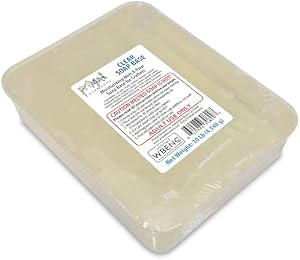 Image: Amazon (hotlinked, not hosted by Hempland.net)
Primal Elements Clear Soap Base (Melt and Pour)
A clear glycerin melt-and-pour base made for crafting. Melt it, stir in a little hemp seed oil and pour, with no lye handling.
Check Price on Amazon
 Image: Amazon (hotlinked, not hosted by Hempland.net)
Walfos Silicone Soap Molds, Set of 3 (6 Cavities Each)
Rectangle silicone molds that make 18 bars per fill and flex so finished soap pops out cleanly.
Check Price on Amazon
Sell hemp skincare or soap supplies?
Hempland readers love hands-on hemp projects like this one. Reach them with a sponsored article, banner ads or a guest post.
Advertise with us
FAQ
Does hemp soap contain THC or CBD?
Not in any meaningful amount. The FDA says hemp seeds don’t naturally contain THC and that hemp seed ingredients have only trace THC and CBD picked up during processing. Hemp seed oil soap won’t get you high or show up as a CBD product.
How much hemp seed oil should I add to soap?
For melt-and-pour, about 1 teaspoon per pound of base. For cold process, keep it around 10 to 15% of your total oils and run the recipe through a lye calculator.
Can you make hemp soap without lye?
You can’t make soap from scratch without lye, but melt-and-pour base has already been made with it, so you never handle lye yourself.
How long does cold-process hemp soap need to cure?
Usually 4 to 6 weeks on a rack with good airflow. Curing lets water evaporate so the bar gets harder, milder and longer-lasting.
Why are there orange spots on my soap?
Those are usually signs of oils going rancid, often called “dreaded orange spots.” Very unsaturated oils like hemp seed oil are prone to it, so use fresh oil and keep it to a small share of the recipe.
Sources
- Frequently Asked Questions on Soap, U.S. Food and Drug Administration (accessed November 2026)
- NIOSH Pocket Guide to Chemical Hazards: Sodium hydroxide, CDC / NIOSH (accessed November 2026)
- Sodium hydroxide poisoning, MedlinePlus, U.S. National Library of Medicine (accessed November 2026)
- Physicochemical Characterisation of Seeds, Oil and Defatted Cake of Three Hempseed Varieties Cultivated in Spain, Mendoza-Perez et al., Foods (2024) (accessed November 2026)
- Ultrasonic-ethanol pretreatment assisted aqueous enzymatic extraction of hemp seed oil with low THC, Zhang et al., Ultrasonics Sonochemistry (2024) (accessed November 2026)
- FDA Responds to Three GRAS Notices for Hemp Seed-Derived Ingredients for Use in Human Food, U.S. Food and Drug Administration (accessed November 2026)
- Melt and Pour Soap Making for Beginners, CandleScience (accessed November 2026)
- Handcrafted Soap and Cosmetic Guild, HSCG (accessed November 2026)
- Poison Control, National Capital Poison Center (accessed November 2026)
Image credits and disclaimer
Image disclaimer: Images in this post are displayed from their original sources (such as Amazon, Wikimedia Commons or Unsplash) and are not hosted on Hempland.net. Product images belong to their respective brands and retailers, and other images belong to their credited creators and are used under their stated licenses. Hempland.net claims no ownership of these images. About the images: because they are hotlinked from third-party sources, they may change or disappear, and they are for illustration only and may not show the exact product, plant or method described. If you own an image and would like it credited differently or removed, please contact us.
Medical and legal disclaimer: This article is for general information and educational purposes only and reflects details available as of November 2026. It is not medical, legal or financial advice. Cannabis laws vary by country and state and are changing in 2026, and cannabis products are intended only for adults 21+ where legal. Grow only where home cultivation is legal and follow local plant limits. Talk to a qualified healthcare professional before using cannabis, THC or CBD, especially if you are pregnant, breastfeeding, take medication or have a health condition. Do not drive or operate machinery after using THC. Any steps described are followed at your own risk. Mention of a company or product is not an endorsement. As an Amazon Associate we earn from qualifying purchases. Hempland.net makes no warranties about the completeness or accuracy of this information and is not liable for any loss or damage arising from its use.

Sponsored Content
This informative article is brought to you by NUBO CBD →