






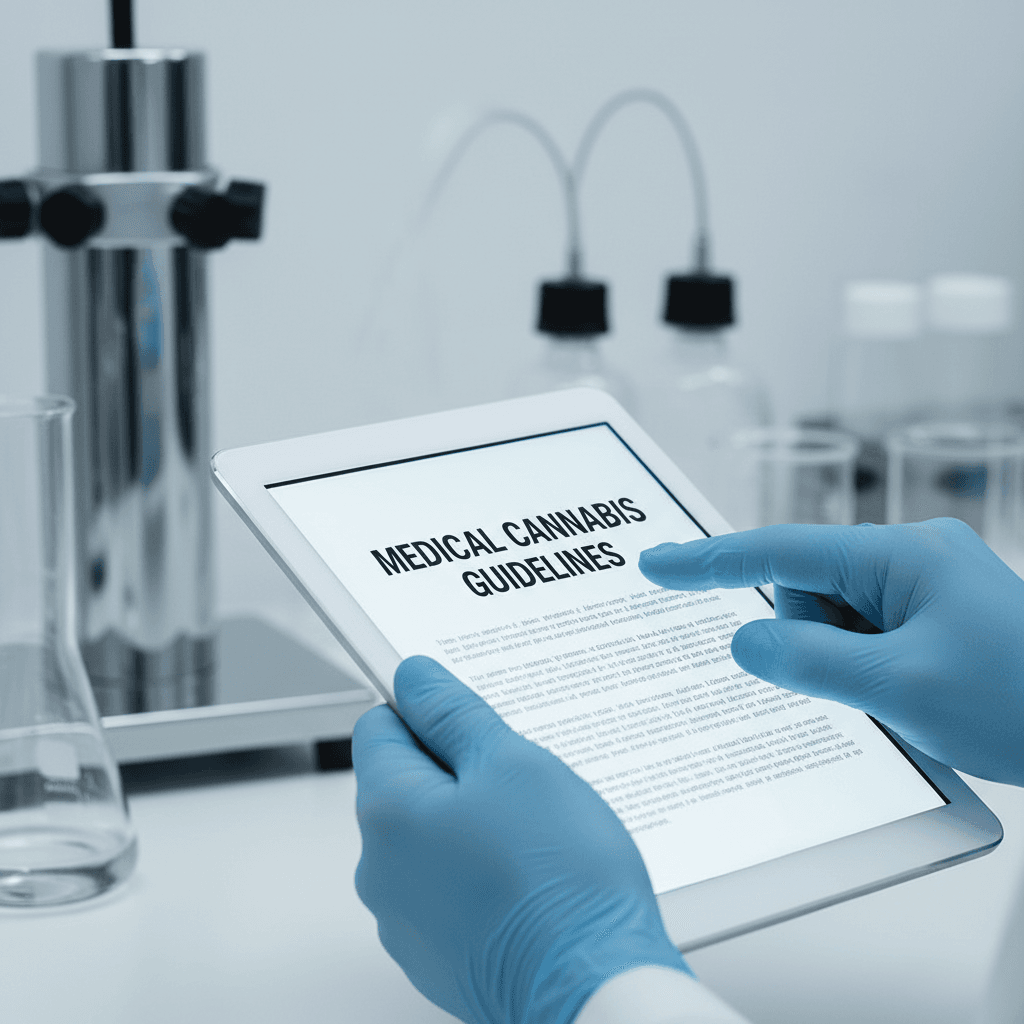

Israeli Health Ministry published recently a set of comprehensive recommendations which could significantly reshape medical cannabis prescription and use in the entire country. The proposals were developed by a committee of professionals led by Dr. Gilad Bodenheimer. They address various treatment aspects, including initial indications, prescriptions, administration, monitoring and strategies to prevent addiction and discontinuation.
According to the Ministry cannabis is not only beneficial for patients but also has inherent risks. It requires strict medical supervision and cannot be viewed as a normal consumer product. The move is a decade since a decision by the government first legalized cannabis for research and medical purposes. Officials are now reassessing Israel’s model in light of a noticeable increase in use.
Addressing the Evolving Medical Cannabis Usage
Israel, according to data presented before the committee, has been a leader in medical cannabis consumption globally. Its licensed patient number increased from 33,000 patients to around 140,000. According to, this surge in Israelis seeking support has increased, especially since the recent conflict. The Jerusalem Post.
Findings of the committee highlighted several areas for concern
- A large proportion of patients (62%) consumes more than 30 grams of sugar per month.
- The majority of licenses (88%) involve high concentrations of THC.
- Smoking is the most common method of administration for many users.
The observations raised questions about possible health risks related to smoking and inconsistent application, leading to a reevaluation on current practices.
Proposed changes to administration
One of the main recommendations from the Committee is that smoking cannabis for medical purposes be phased out over a period of three years. Due to the inconsistent absorption profiles and potential health hazards, it was determined by the committee that smoking medical cannabis is not acceptable. According to the changes proposed, patients will typically begin treatment using extracts or precision aerosols. In limited clinical situations, smokable marijuana may be allowed under certain conditions and limits.
The recommendations also advocate for a minimum THC content relative to the cannabidiol. Some flexibility may, however, be granted to elderly and terminally ill patients, in recognition of their needs.
Medical Cannabis Integration into Healthcare Systems
Major structural reforms include the full transfer of medical cannabis treatment responsibility to Israel’s health maintenance organizations (HMOs). The HMO would manage the diagnosis, approval and monitoring of cannabis, as well as dispensing. This is to ensure continuity in care and integrate cannabis with patients’ medical records. Although hospitals can still prescribe treatment, the final approval of dispensing and approving cannabis would need HMO authorization. These changes will be implemented in approximately one year.
Patients with specific conditions and patient safety: Considerations
A special caution was expressed by the committee regarding the use of cannabis for post-traumatic anxiety disorder (PTSD). It did not advocate the removal this indication but stressed that there is not enough evidence to support its long-term effectiveness. They also raised concern over potential impairments in function. In severe cases like insomnia or acute anxiety, cannabis can still be prescribed, but in combination with psychotherapy under strict medical supervision.
Addiction prevention was also given a high priority. Before prescribing treatment, physicians would have to consider the risk factors of their patients and refrain from prescribing marijuana if addiction is an issue. Escalating dosages, frequent doctor switches, an insistence on specific treatment, or concurrent addiction to addictive medication are all warning signs. It would still be possible to renew prescriptions monthly, but any treatment longer than six months requires an in-person assessment and a review of the risks against benefits.
Other measures include training mandatory for health professionals, tighter reporting requirements regarding driving and gun eligibility and increased investment in clinical studies. The committee urged collaboration between HMOs, the Ministry and research institutions to include studies of safer delivery methods, like inhalers. This proposed set of medical cannabis guidelines aims to strike the right balance between accessibility and safety for patients, while also maximizing treatment efficacy.
Disclaimer: The article does not provide medical advice and is only intended for general information. Hemp Gazette is not a medical provider and does not offer diagnoses or treatment plans. Consult a healthcare professional before you make any decision regarding your health. Therapeutic Goods Administration of Australia has not evaluated statements about the therapeutic benefits of cannabinoids, hemp or cannabis. TGA regulations allow Australians to access medical cannabis through prescription.
Sponsored Content
This informative article is brought to you by NUBO CBD →