







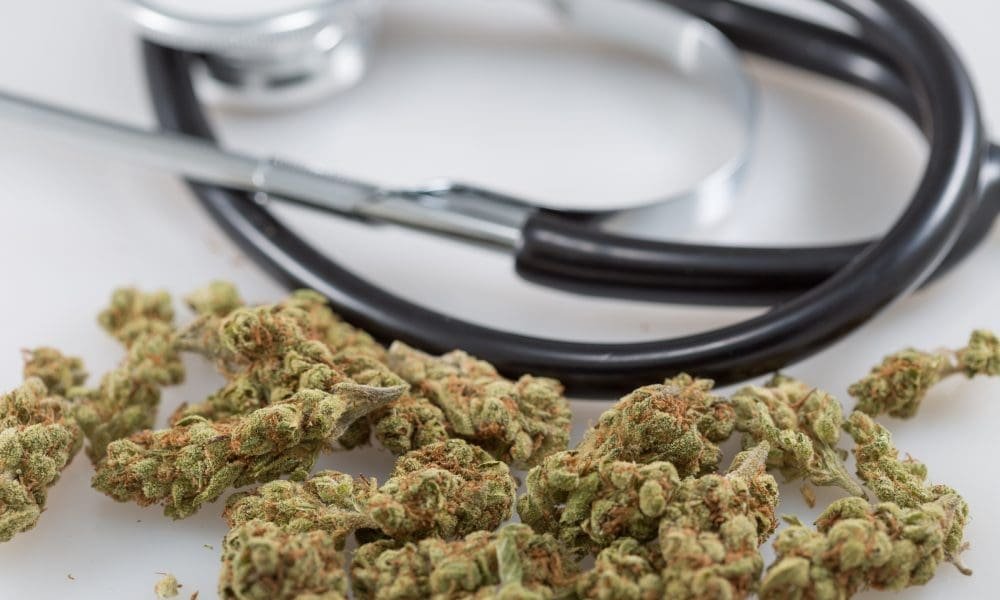

FDA (Food and Drug Administration) of the United States is moving forward on a proposal aimed at better tracking health impacts from products made with hemp cannabinoid. The FDA proposes to add CBD and hemp cannabinoids to federal documents that healthcare professionals, consumers and patients use to report adverse event.
The proposal, which was first unveiled in early January, would include “Cannabinoid hemp products (such as CBD-containing products)” under the field “Product Type”. The first round was open to comments until mid-March.
A post in the Federal Register published this week by the FDA stated that the White House Office of Management and Budget has been notified of the FDA’s “proposed collection of data” and will be reviewed and cleared.
According to the latest filing, two public comments in support of adding a category for “cannabinoid-hemp products” were received. However, FDA was encouraged to also include other categories to allow more specific information to be provided about a greater variety of different products. Third, a third person called for the addition of categories to allow respondents more ease in entering data.
The FDA said that it “appreciates each and every comment, but we are not proposing any other changes at this time.”
Comments are now due on July 25, 2018.
The move—designed to more actively gather information about adverse health effects that might be linked to hemp-derived products—comes amid a number of other CBD-focused actions at the federal level and state levels.
A powerful House Committee approved earlier this week a bill that contained provisions hemp industry stakeholders claim would destroy the industry. The measure prohibited the majority of cannabinoid-containing products which were legalized federally during the Trump Administration.
In a Monday vote, the House Appropriations Committee adopted legislation appropriating funds for agriculture with 35 votes to 27. The Rules Committee will prepare the bill for consideration on the floor.
The panel did adopt a manager’s amendment in a report that was attached to the bill this month. This provided clarification language that stated that the members didn’t intend to ban non-intoxicating products that contain “trace or small amounts of THC.” However, the actual bill remained unchanged despite industry concerns.
This large-scale bill covers many issues. But for hemp supporters and stakeholders there is one part that’s of concern. It would define the crop in federal law so that cannabis products that contain any “quantifiable amount” of THC, or “any cannabinoids which have similar (or marketed as having similar) effects on animals or humans” would be prohibited.
The Congressional Research Service, or CRS, released a report on hemp-derived cannabinoid product bans last week. It was originally said that this ban would prohibit the sale of CBD products as well. However, the CRS updated its report to eliminate that language.
An Appropriations Committee press release on Monday said the bill “supports the Trump Administration and mandate of the American people by…closing the hemp loophole that has resulted in the proliferation of unregulated intoxicating hemp products, including Delta-8 and hemp flower, being sold online and in gas stations across the country.”
The hemp language is largely consistent with appropriations and agriculture legislation that was introduced, but not ultimately enacted, under the last Congress.
Hemp industry participants rallied to oppose that proposal. A previous version was also in the base Bill from last year’s subcommittee. It’s virtually identical to a provision of the 2024 Farm Bill that was attached by a separate committee last May via an amendment from Rep. Mary Miller (R-IL), which was also not enacted into law.
The new version of the spending bill for 2026 has some changes, such as a change in what is considered a “quantifiable amount” of THC for hemp products.
It is now stated that the quantifiable amounts are “based on the substance, manufacturing, or articles (determined by Secretary of Health and Human Services, in consultation the Secretary Agriculture).” This was different from the previous definition, which simply said “determined by Secretary, in consultation the Sec of Health and Human Services.”
It is now specified in the proposed legislation that hemp doesn’t include any “drugs that are the subject of an approved application under paragraph (c) or subsection (j) section 505 Federal Food, Drug, and Cosmetic Act (2 U.S.C. This appears to be a way of making an exception for FDA-approved drugs like Epidiolex that is synthesized using CBD.
A leading alcohol industry association, meanwhile, has called on Congress to dial back language in the House spending bill that would ban most consumable hemp products, instead proposing to maintain the legalization of naturally derived cannabinoids from the crop and only prohibit synthetic items.
Key GOP congressional lawmakers—including one member who supports marijuana legalization—don’t seem especially concerned about provisions in the bill despite concern from stakeholders that it would put much of the hemp industry in jeopardy by banning most consumable products derived from the plant.
Jonathan Miller, general counsel of the U.S. Hemp Roundtable, told congressional lawmakers in April that the market is “begging” for federal regulations around cannabis products.
Rep. James Comer asked at the hearing if “a million bureaucrats working from home” were needed to control cannabinoids like CBD.
A report from Bloomberg Intelligence (BI) last year called cannabis a “significant threat” to the alcohol industry, citing survey data that suggests more people are using cannabis as a substitute for alcoholic beverages such a beer and wine.
Last November, meanwhile, a beer industry trade group put out a statement of guiding principles to address what it called “the proliferation of largely unregulated intoxicating hemp and cannabis products,” warning of risks to consumers and communities resulting from THC consumption.
Separately, at FDA, the director of the federal agency called the exploration of therapeutic potential for psychedelics, such as psilocybin, and ibogaine, a “top priorit” of the Trump administration. This is especially true when it comes helping combat veterans deal with trauma caused by being sent into “unnecessary battles.”
Texas Gov. Greg Abbott, a Republican, has signed into law, earlier this week, a bill that creates a research consortium backed by the state to run clinical trials for ibogaine, a psychedelic drug, as a potential treatment for mental disorders, substance use disorders, and others.
Abbott has also vetoed the controversial Texas bill which would have prohibited hemp products that contained any THC. This would have devastated an industry growing in Texas.
CBD in Cannabis Can Help Reducing Alcohol Binge-Drinking: Study