






France is now a significant exporter of raw industrial hemp materials. This marks a shift in its focus from domestic processing to an international market. FranceAgriMer is the French government’s agency for monitoring and analyzing the country’s agricultural industry. A new sector report highlights this change. Hemp Today.
During the past decades, France has produced a large amount of industrial hemp, mostly to support its own processing systems for fibre, hurds, and seeds. In recent years, however, the trend started to change. French hemp exports, that were almost nonexistent (adding up to just 415 tonnes) before 2021-22’s marketing year, saw a dramatic increase. In 2023-24, shipments reached 47,950 tons and remained at that level in 2024-25. About 72% are directed towards other EU countries.
France’s Growing Production Base
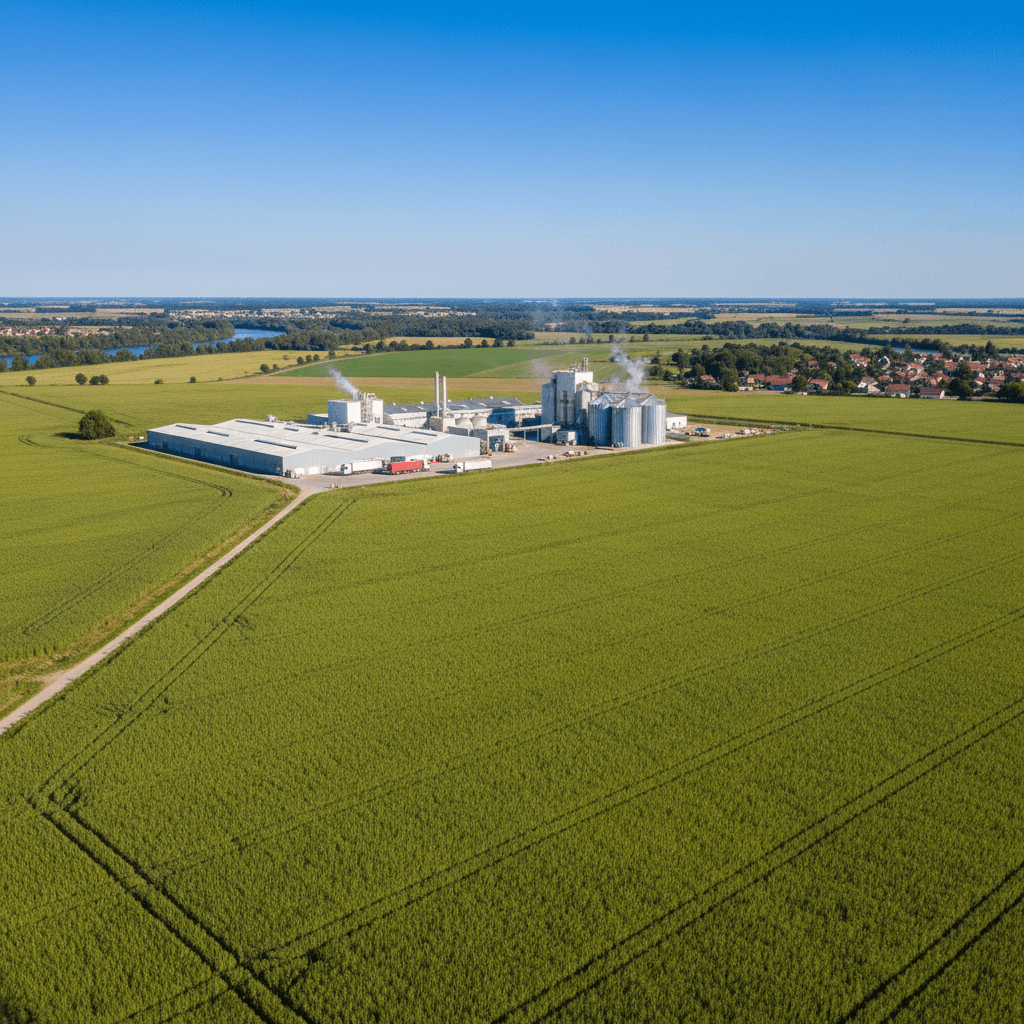
FranceAgriMer claims that France produces more than half the EU’s industrial hemp. France planted 22,600 hectares in 2024. Around 1,550 farmers were involved. Over the last decade, this acreage doubled. In the report it was stated that 140,000 tons of hemp straw were processed, and 11000 tons of seed. There are seven processing plants, mostly concentrated in northern France.
Grand Est is France’s principal hemp-growing area and the core of its industrial processing cluster. Grand Est is estimated to account for 11 752 hectares in industrial hemp by 2024. This represents 46% of France’s Common Agricultural Policy hemp declarations. The Aube and Marne départements are the main producers. In the same region, organic hemp cultivation has increased from 100 hectares to 1,500 by 2022.
French Approach to Cultivation and Processing
The established French hemp industry has been built upon a basis of certified seeds, cooperative processing, and an emphasis on the fiber and grain market. French breeding programs prioritized varieties with high fiber yields, low THC and industrial application. In the report it is stated that grain yields on average are around one metric tonne per hectare. Hemp straw yields, however, range between 6-8 metric tons. France has also expanded trials of textile hemp, as Europe’s natural fibre supply chains continues to develop.
Hemp Plants are a Full Use of Hemp Plant
FranceAgriMer’s overview describes the development and use of nearly every part of the hemp plant in France.
- Hempseed: Primarily for use in foods, oils, proteins ingredients, bird food and fishing bait.
- Hurd: Use in landscaping, hempcrete construction material, animal bedding.
- Fiber: Suppliers to the markets of paper, textiles, composites, and insulation.
- Dust and Fines Composting and energy production can be done with even low-value products.
A report released by the French Hemp Association also highlights a significant imbalance within the French hemp industry: the hurd represents the majority of the weight processed, while the fiber is responsible for the most economic returns. Fiber accounts for 50% of all economic value even though it only makes up 28% in weight. French strategies are influenced by the economic dynamics, as they focus more on fiber markets with higher value, such as those in construction, composites or textiles.
Future Focus and Industry Structure
InterChanvre is France’s national interprofessional body for hemp, and it coordinates the development of this sector. It facilitates collaboration between hemp growers, processors, and other stakeholders. InterChanvre excluded flower from its scope on January 20, 2024. This reinforced the separation between France’s cannabinoid economy and industrial hemp. The organisation collaborates with entities such as the National Federation of Hemp Producers (FNPC), the Hemp Processors Union (UTC), and research bodies like Fibres Recherche Développement (FRD) and the French National Research Institute for Agriculture, Food and Environment (INRAE). This concentration in production capacity and infrastructure for primary processing allows France’s industrial system to be integrated, further strengthening its place as a leader of European industrial hemp.
Disclaimer: The article provided here is only for informative purposes and not intended to be a medical recommendation. Hemp Gazette is not a medical provider and does not offer diagnoses or treatment plans. Consult a healthcare professional before you make any decision regarding your health. The Therapeutic Goods Administration in Australia (TGA) has not evaluated any statements regarding the therapeutic use of cannabis or hemp-derived products. TGA regulations allow Australians to access medical cannabis through prescription.
Sponsored Content
This informative article is brought to you by Gen-Europa →